







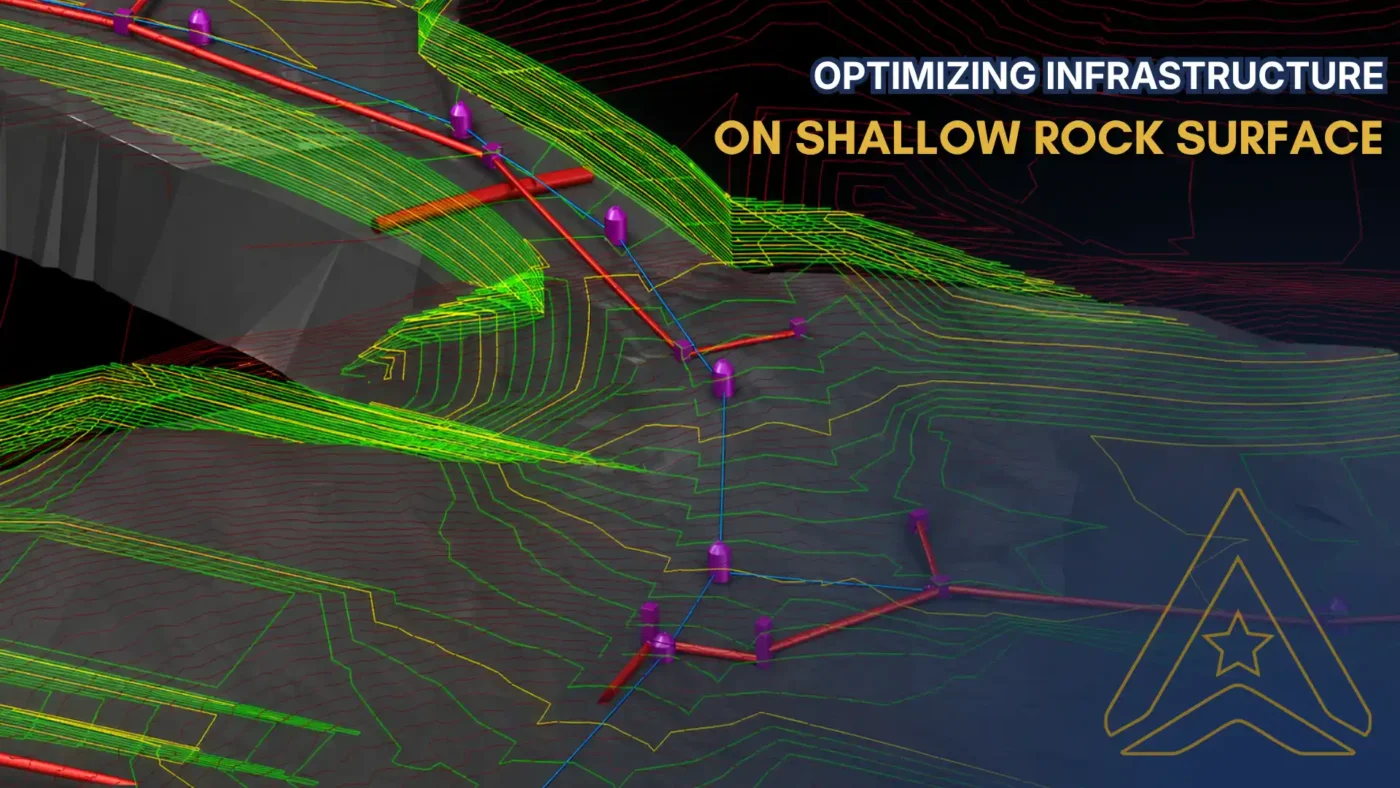
Infrastructure design on shallow rock sites is rarely a straightforward engineering task. It is the kind of challenge that forces grading, drainage, geology, environmental protection, and cost control to work together as one system.
Some sites allow engineers to design with freedom. Others quietly resist. And then there are sites where steep terrain, wetlands, soft ground, and shallow rock all converge, leaving almost no room for careless decisions. In conditions like these, shallow rock site infrastructure becomes less about technical reaction and more about disciplined judgment.
For AXANH, this project was never just about making the infrastructure fit. It was about developing a smarter infrastructure strategy that reduced unnecessary excavation, respected environmental sensitivity, and protected long-term performance.
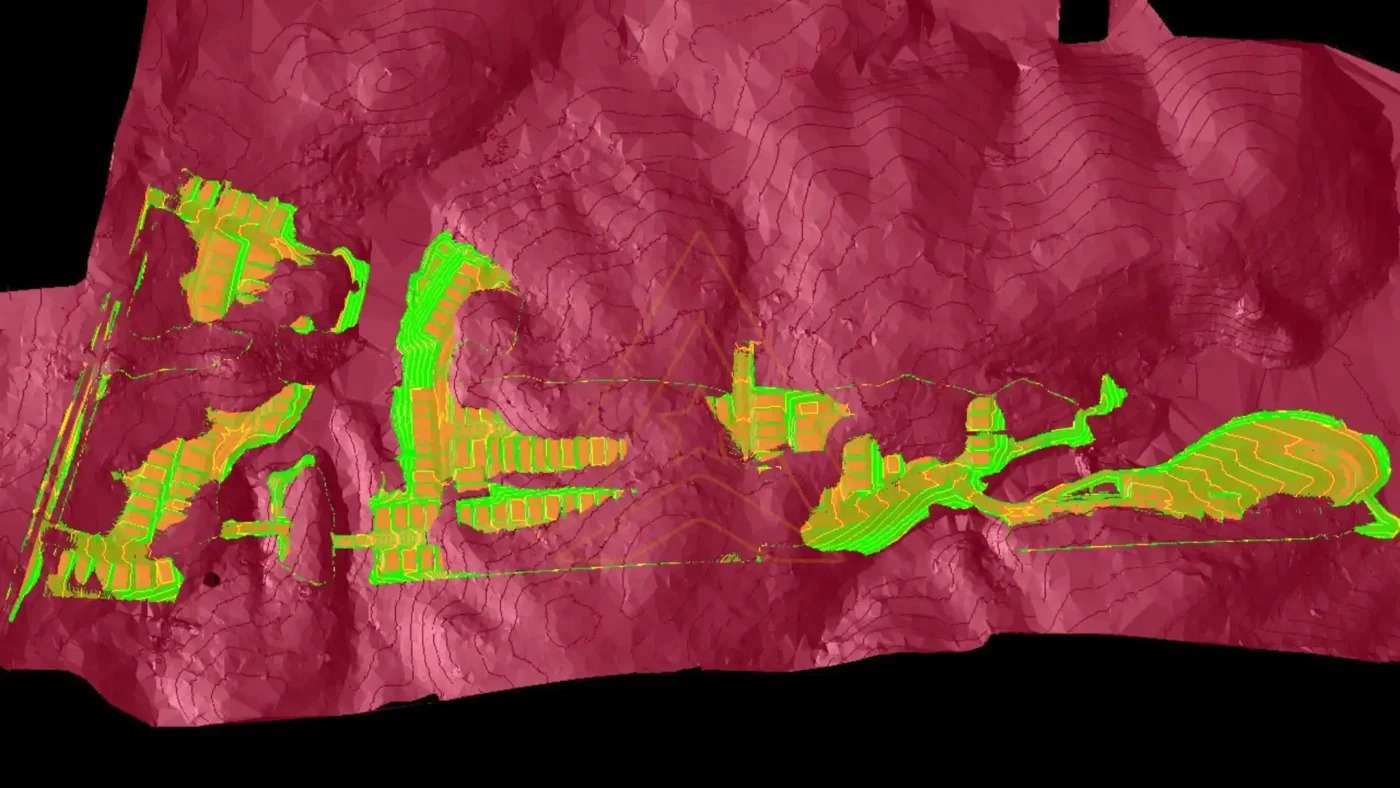
Infrastructure Design on Shallow Rock Sites Begins With Reading the Ground Honestly
At first glance, each constraint looked manageable on its own. The terrain was steep but workable. The wetlands were sensitive but identifiable. The soft soils could be improved. The rock could be excavated where necessary. But in reality, infrastructure design on shallow rock sites required understanding how every system affected the others.
A grading adjustment could change drainage flow. A drainage alignment could increase excavation depth. A wider footprint could disturb wetlands. A simple roadway decision could increase both construction cost and technical risk. That is why shallow rock site infrastructure cannot be handled through isolated decisions.
The visible problem is never the only problem in the room. That is what makes this kind of site far more strategic than it first appears.
Why Shallow Rock Changes the Design Logic Earlier Than Expected
Shallow rock is often misunderstood as a constructability issue that can be handled later. In reality, it changes infrastructure planning much earlier than many teams expect.
- It limits how aggressively finished grades can be pushed.
- It constrains pipe depth and underground utility alignment.
- It increases excavation cost faster than early estimates often assume.
- It introduces schedule pressure and field risk once construction begins.
On this project, rock excavation was not simply another quantity to manage. It had the potential to become a cost multiplier, a construction burden, and a technical risk that would affect the entire site. That is why site grading on shallow rock had to begin as a design strategy, not as a late-stage construction response.
AXANH’s Approach: Let the Terrain Guide the Infrastructure Strategy
The turning point did not come from a technical trick. It came from a better question.
Instead of asking how to force the infrastructure layout onto the site, AXANH asked what the design would look like if the terrain itself were allowed to guide the strategy from the beginning.
That shift changed the direction of the project. Grading was no longer treated as a way to impose target levels at any cost. Drainage was no longer a secondary layer to coordinate later. Geological conditions were no longer obstacles to fix after the fact.
The project became an exercise in reducing intervention, coordinating earlier, and making better decisions with greater discipline.
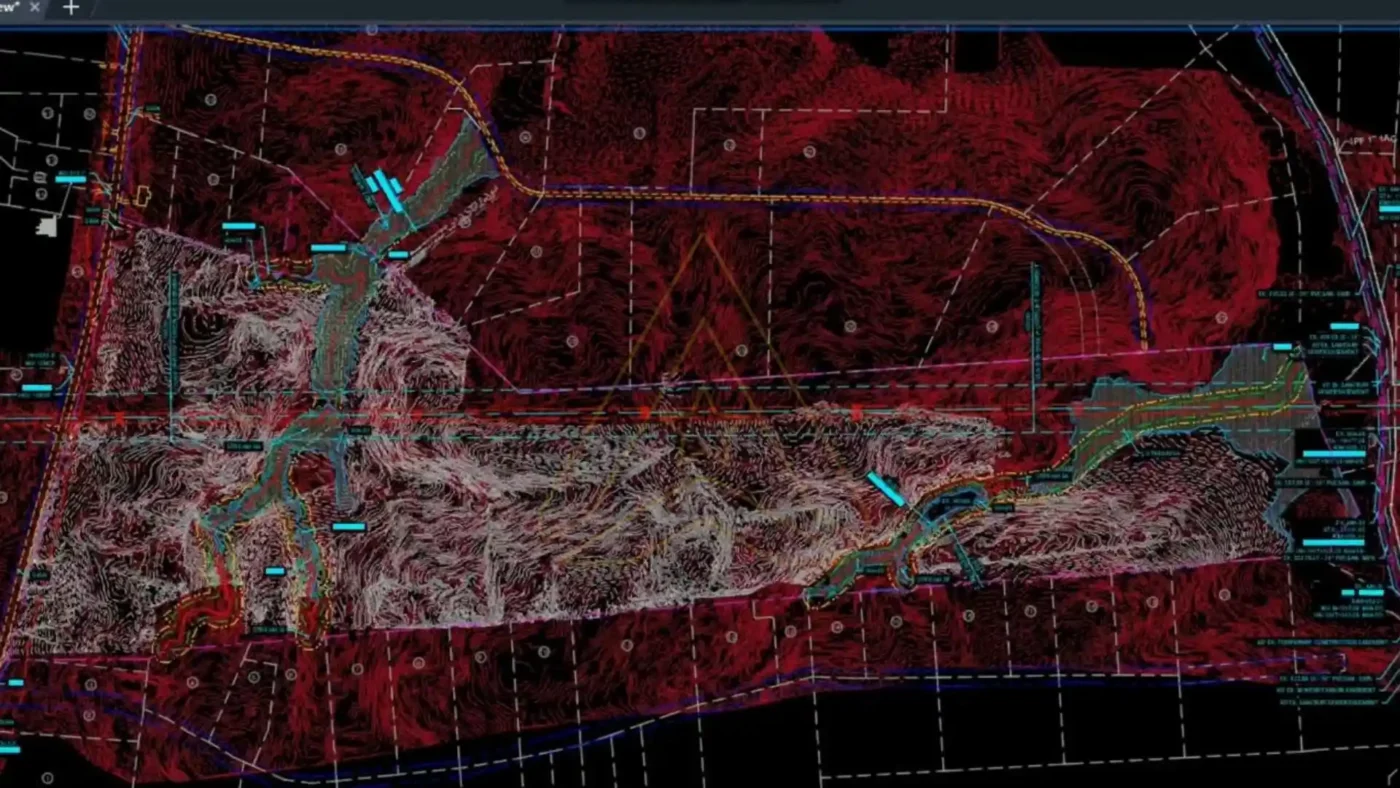
How the Infrastructure Strategy Took Shape
1. Following the natural terrain more closely
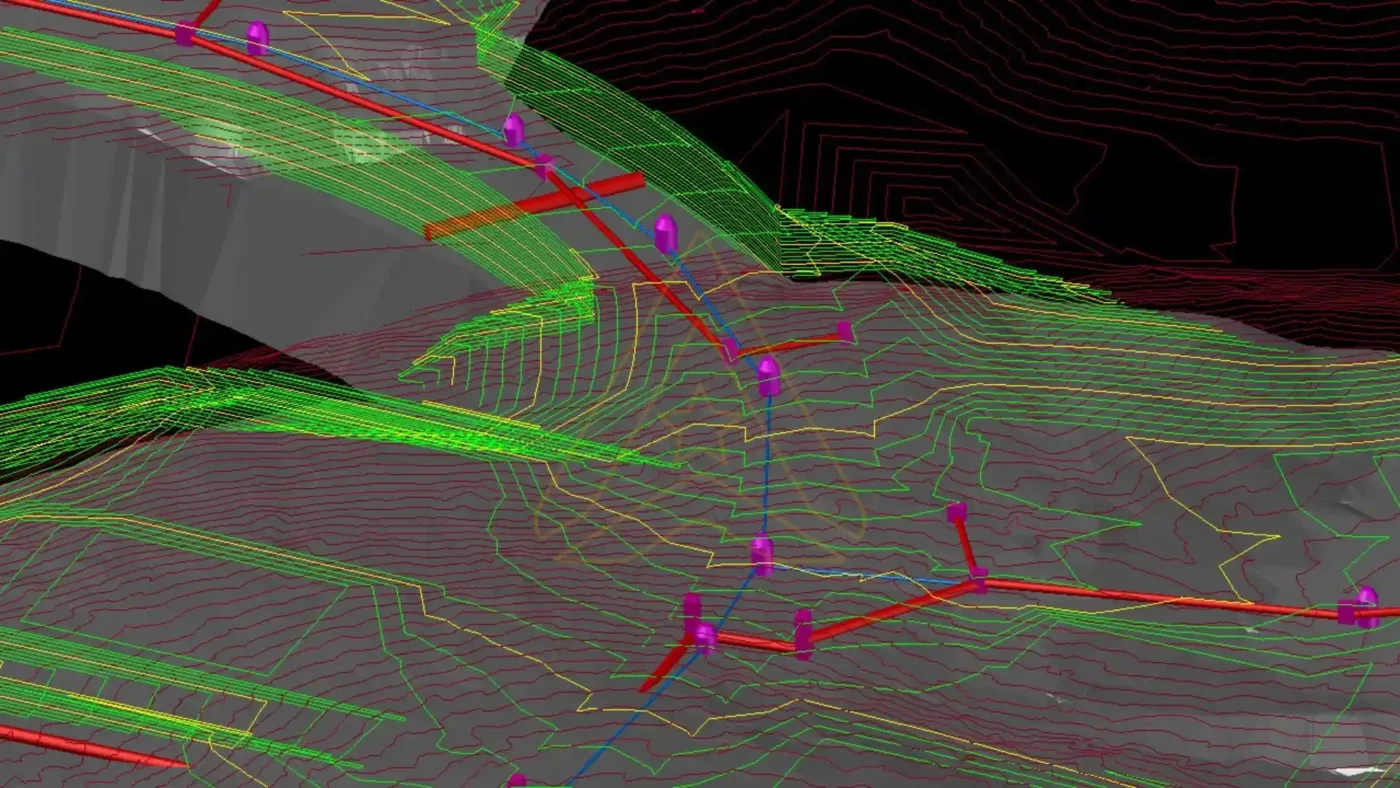
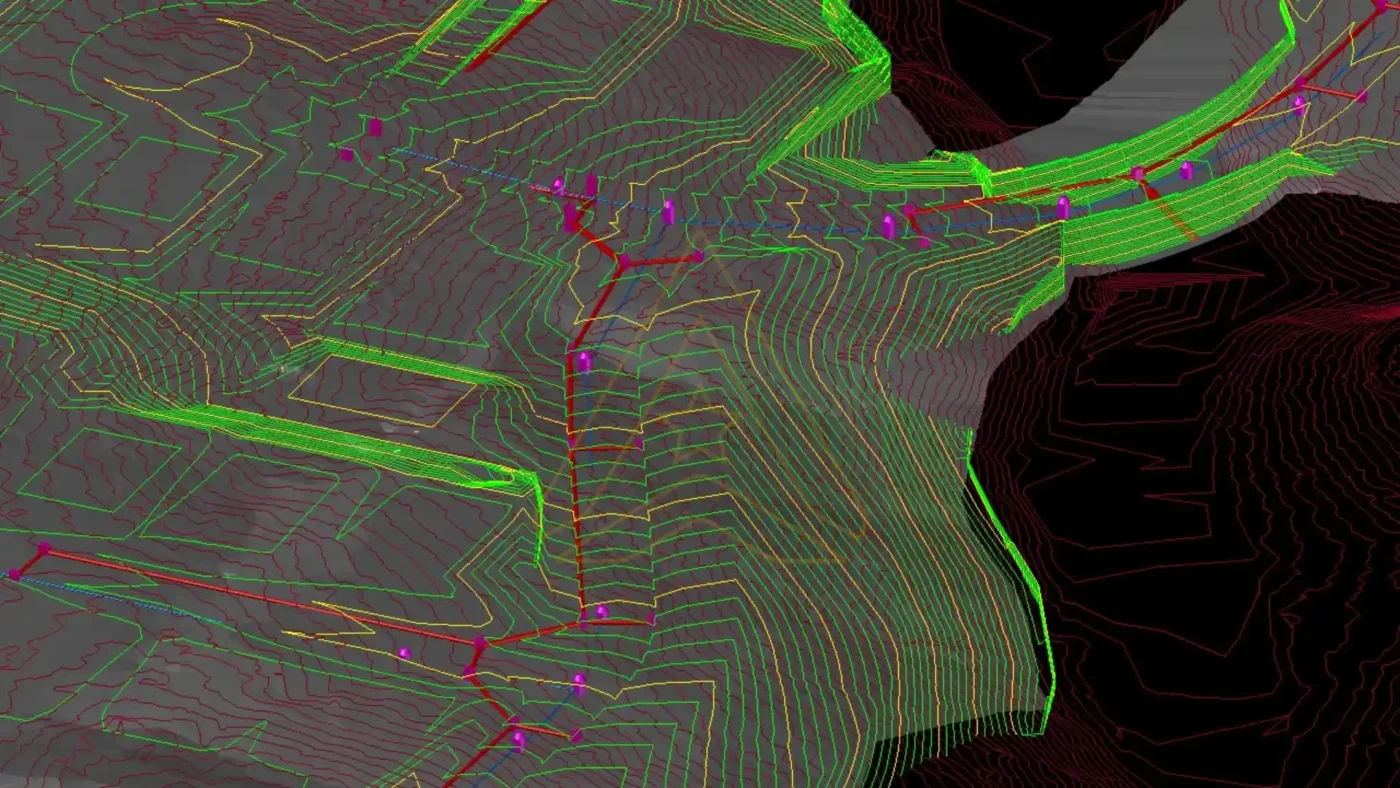
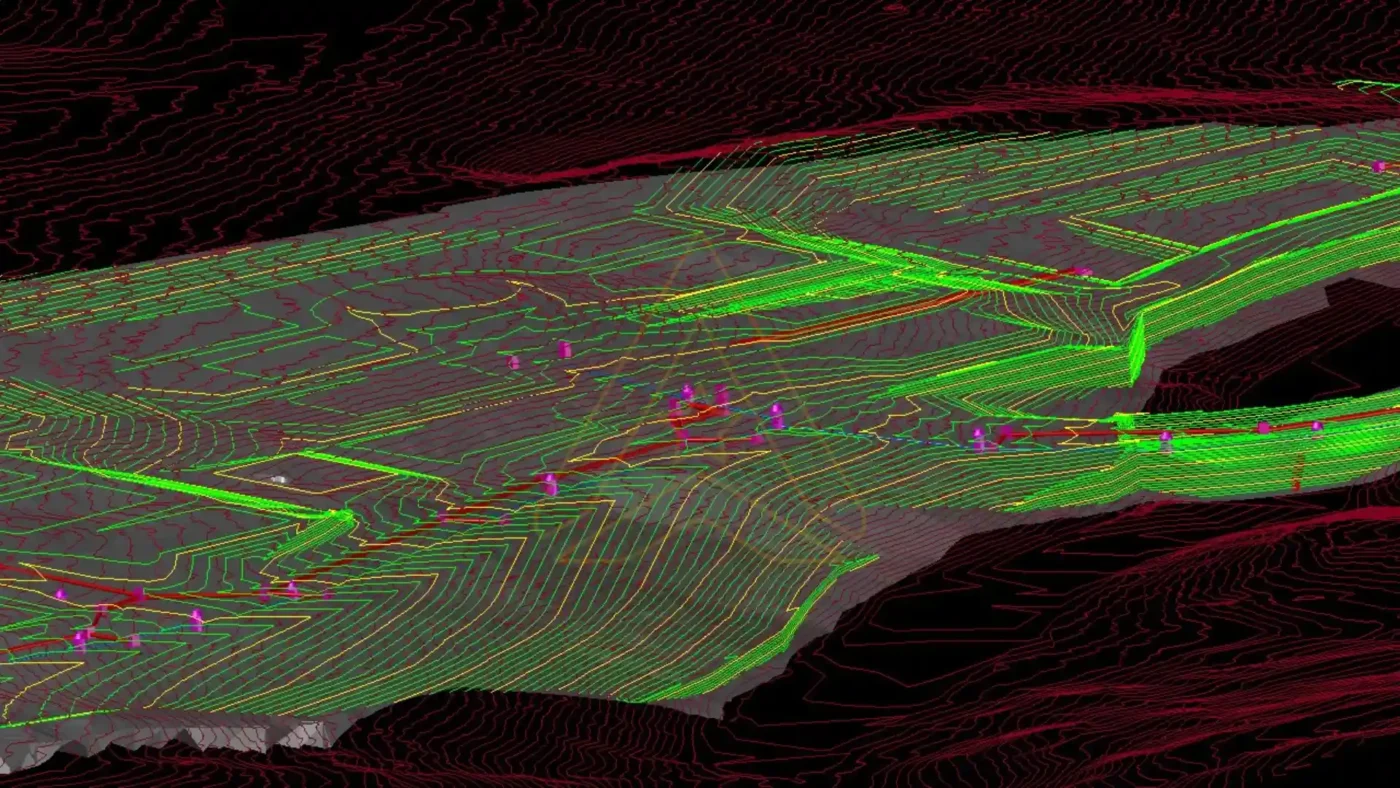
Rather than forcing finished grades that would drive aggressive cuts into rock, AXANH adjusted the surface design to remain as close as practical to natural ground. This helped reduce avoidable excavation, maintain a healthier cut-and-fill relationship, and support a more buildable grading strategy.
2. Letting gravity define the drainage logic
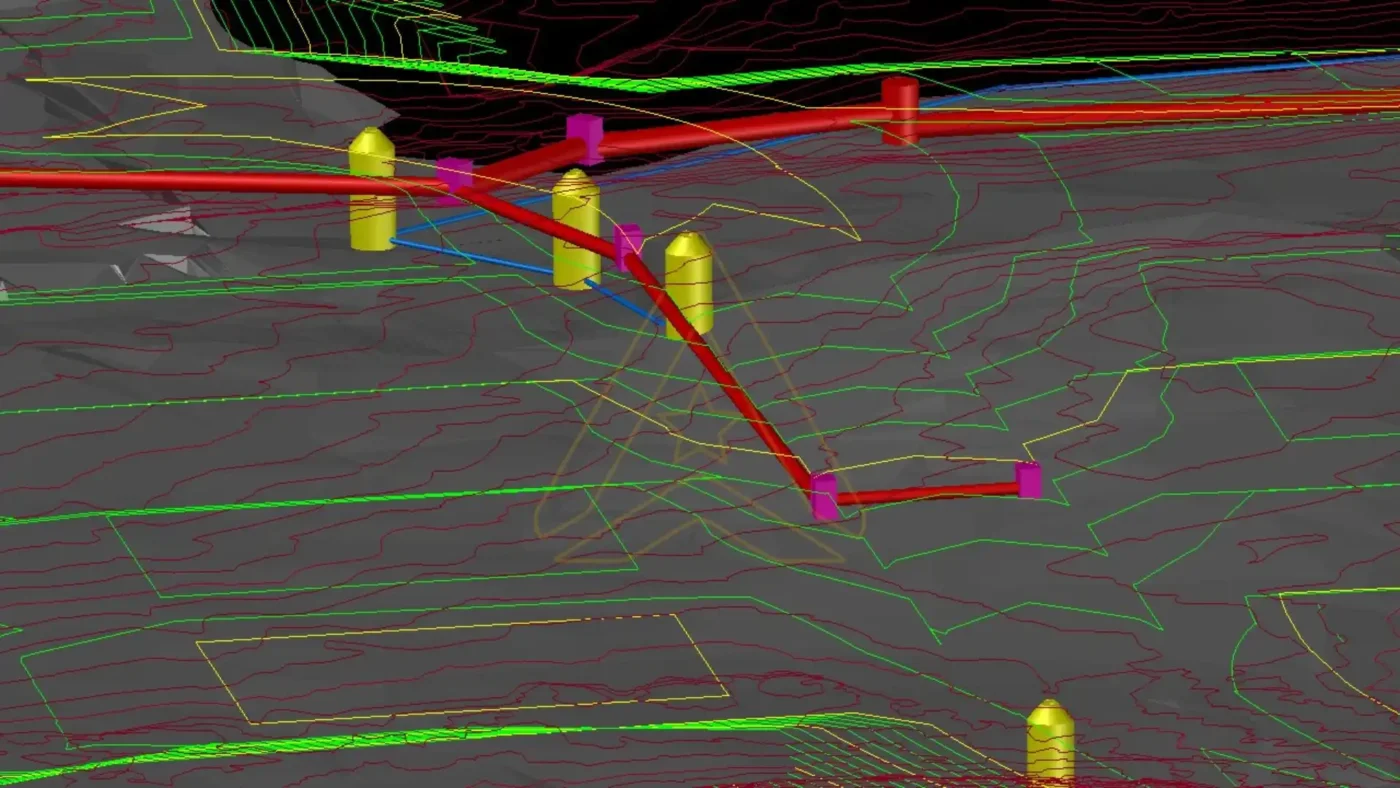
On steep and geologically constrained sites, drainage should not be treated as an afterthought. AXANH organized the underground drainage system in directions compatible with the site topography, allowing the system to operate by gravity while staying within realistic construction limits.
This was central to reducing unnecessary rock conflict. When drainage alignment, pipe depth, and finished grades are coordinated early, the design has a better chance of avoiding expensive excavation surprises later.
3. Reducing footprint pressure on wetlands
Because much of the site consisted of wetlands and soft ground, environmental sensitivity had to be embedded directly into the infrastructure layout.
- Roadway cross-sections were refined to reduce unnecessary spread.
- Construction limits were controlled where possible.
- Wetland disturbance was minimized through tighter spatial decisions.
This was not only about compliance. It was also an important part of wetland-sensitive infrastructure design: respecting how the site already functioned naturally while still creating a practical path for development.
4. Applying ground improvement only where it truly added value
Soft ground needed stability, but blanket treatment would have added more earthwork, more cost, and more disturbance than necessary. AXANH therefore focused on localized ground improvement, using reinforcement or targeted treatment only where long-term performance required it.
This protected both constructability and investment efficiency while supporting a more disciplined approach to infrastructure design on difficult ground.
Integrated Design Outperforms Reactive Design
| Reactive Approach | Integrated AXANH Approach |
|---|---|
| Excavate rock after conflicts appear | Reduce rock impact through early design choices |
| Coordinate grading and drainage later | Use grading and drainage as connected design drivers |
| Treat wetlands as a limit only | Use environmental sensitivity to shape smarter footprint decisions |
| Accept field conflicts as normal | Lower risk through earlier integration |
What ultimately made this project work was not a single innovation. It was the discipline of integration.
Grading, drainage, geology, environmental sensitivity, and constructability were treated as one conversation instead of separate disciplines moving in sequence. That allowed trade-offs to be identified early, intervention to be reduced, and cost to be controlled with greater confidence.
In complex terrain, infrastructure design on shallow rock sites is rarely about the most aggressive engineering move. More often, it is about understanding the ground clearly enough to disturb it less.
What This Project Teaches Beyond One Site
For developers, partners, and design teams working on adaptive reuse, renovation, or difficult terrain projects, the lesson is larger than this single case. Complex terrain infrastructure design is not just about minimizing excavation. It is about recognizing hidden interactions early enough to prevent them from becoming construction problems later.
That is where infrastructure engineering becomes more than technical delivery. It becomes disciplined decision-making.
To explore more engineering thinking from AXANH, visit AXANH. For broader infrastructure and civil engineering capabilities, see AXA Engineers.
For external references related to infrastructure coordination and stormwater performance, readers may also review resources from the American Society of Civil Engineers and the EPA stormwater guidance.
Looking Beyond the Drawing Set
At AXANH, infrastructure design is not only about producing a workable drawing set. It is about reducing friction in construction, protecting long-term system performance, and helping clients move forward with stronger confidence.
Because on sites like this, the strongest solution is rarely the one that changes the ground the most.
It is the one that understands the ground best—and that is the essence of smarter infrastructure design on shallow rock sites.
Watch the full video of how we executed this project:
Explore More Infrastructure Insights at AXANH
Discover more real-world engineering stories, integrated design thinking, and lessons from complex project conditions.
Frequently Asked Questions
Why is infrastructure design on shallow rock sites challenging?
Infrastructure design on shallow rock sites is challenging because grading, drainage, excavation depth, utility alignment, and construction access all influence one another. A decision that seems minor in one discipline can create cost or constructability pressure elsewhere.
How does shallow rock affect grading and drainage design?
Shallow rock limits how deeply the design can cut into the ground and can restrict pipe depth, drainage alignment, and finished grade decisions. This makes early coordination between grading and drainage essential.
Why should wetlands be considered early in infrastructure layout?
Wetlands can limit available development space, construction access, and grading flexibility. Considering them early helps the design team reduce unnecessary disturbance and shape a more responsible infrastructure footprint.
How can early design integration reduce rock excavation risk?
Early integration allows the team to adjust grades, align drainage with natural topography, refine roadway cross-sections, and identify conflict zones before excavation becomes unavoidable or expensive.
What makes AXANH’s approach valuable on complex terrain?
AXANH brings engineering judgment, digital coordination, grading and drainage thinking, and constructability awareness together early. This helps partners reduce rework, control technical risk, and move toward a more buildable infrastructure solution.
