


Partnership Models
Partnership Fit
Strategic Partnerships
Why AXANH
Discuss Your Needs





Leadership at AXANH
AXANH Leadership should make the whole organization stronger
A title gives someone authority. Leadership earns its value when it creates clearer decisions, stronger judgment and more capable people, so progress does not depend on one person holding everything together.
Leadership principle
The clearest test of leadership is what becomes stronger around the leader.
AXANH leadership
The people carrying leadership responsibility across AXANH
Leadership responsibility extends across company direction, financial stewardship and the environments in which our teams work. Titles define scope; the quality of leadership is reflected in how people create clarity, earn trust and strengthen capability around them.
Executive & functional leadership
Responsibility at the organizational level
Executive leadership
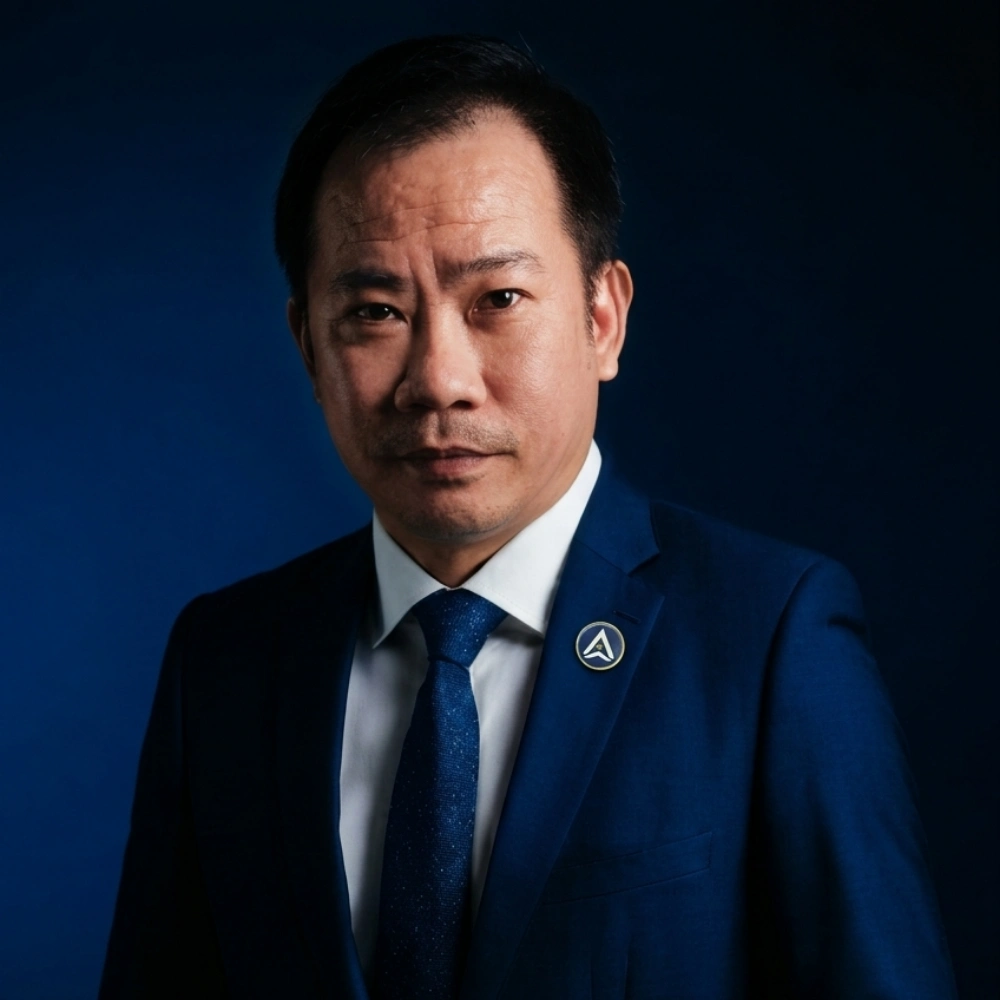
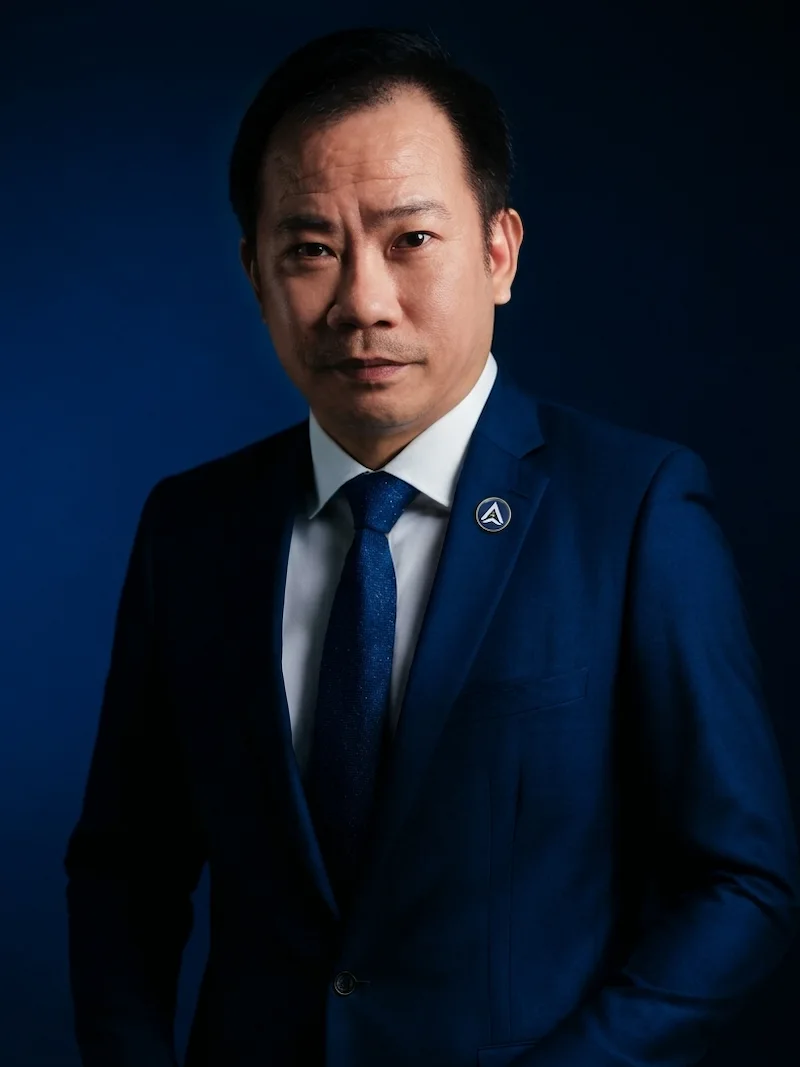
Anthony Nguyen
Founder & CEO
Finance

Spring Nguyen
Financial Manager
Office leadership
Leadership close to each working environment
Office 1
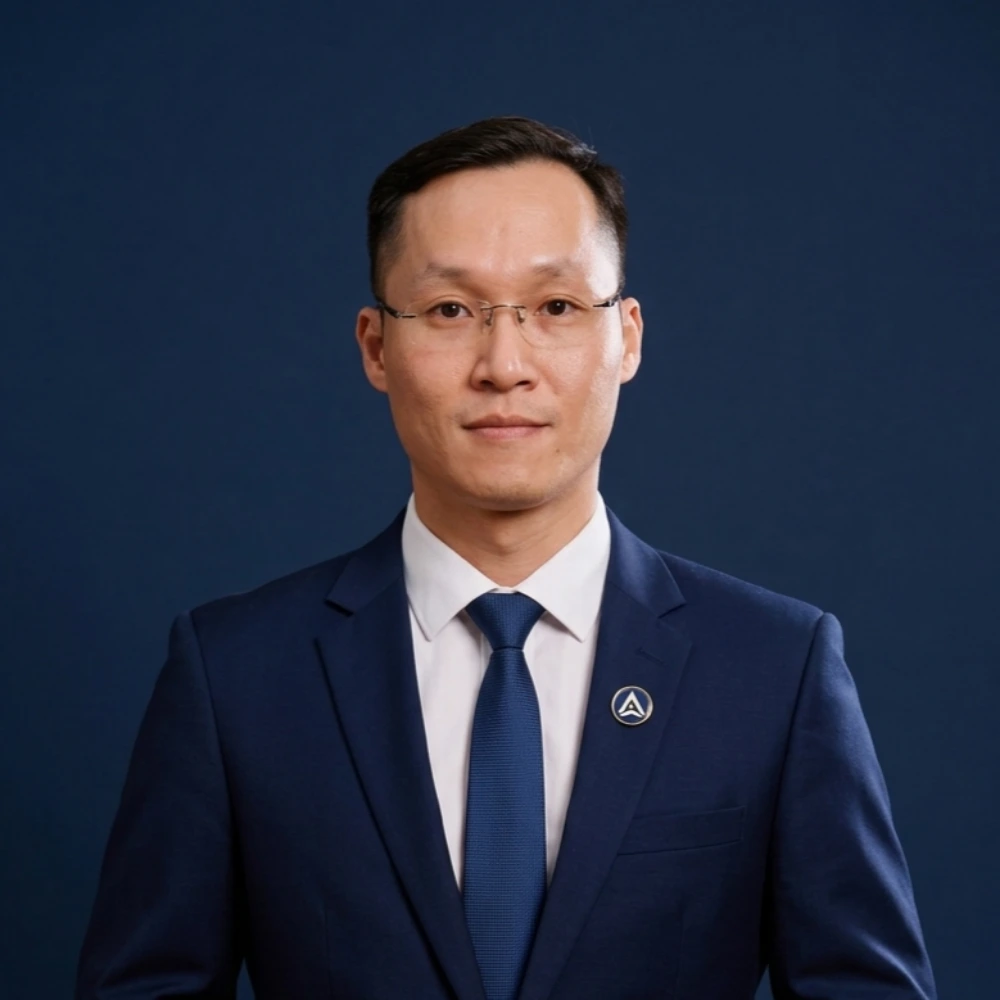
Jayden Bui
Office Manager
Office 2

Oscar Nguyen
Office Manager
Head Office

Bill Ngo
Office Manager
Office 1

Vivian Le
Deputy Office Manager
Office 2

Alan Truong
Deputy Office Manager
Office 2

Tony Vo
Deputy Office Manager

Hugh Luong
Acting Deputy Manager
Project leadership
Leadership where daily delivery comes together
Project Managers sit close to the daily realities of delivery. Their role brings leadership into the moments where project priorities, coordination, quality, timelines and team communication have to come together.
Head Office
Project Managers — Head Office
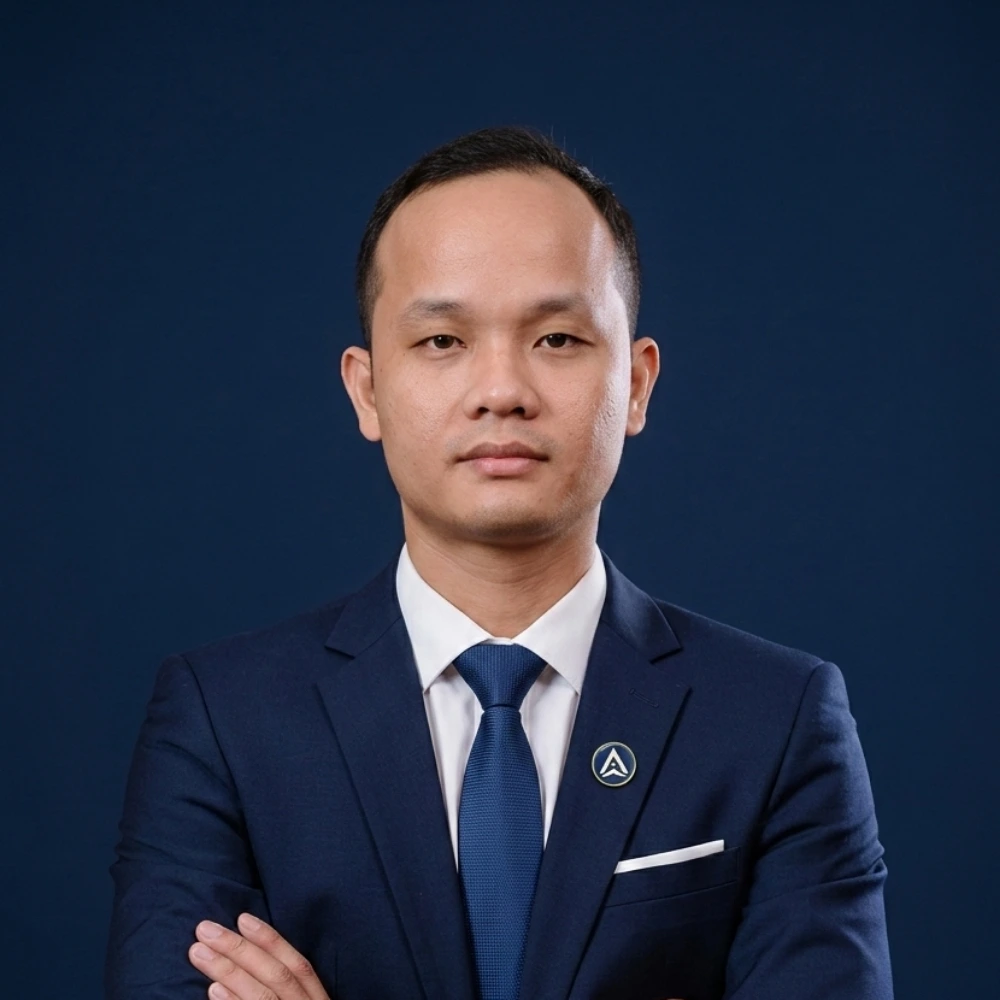
Steven Nguyen
Project Manager
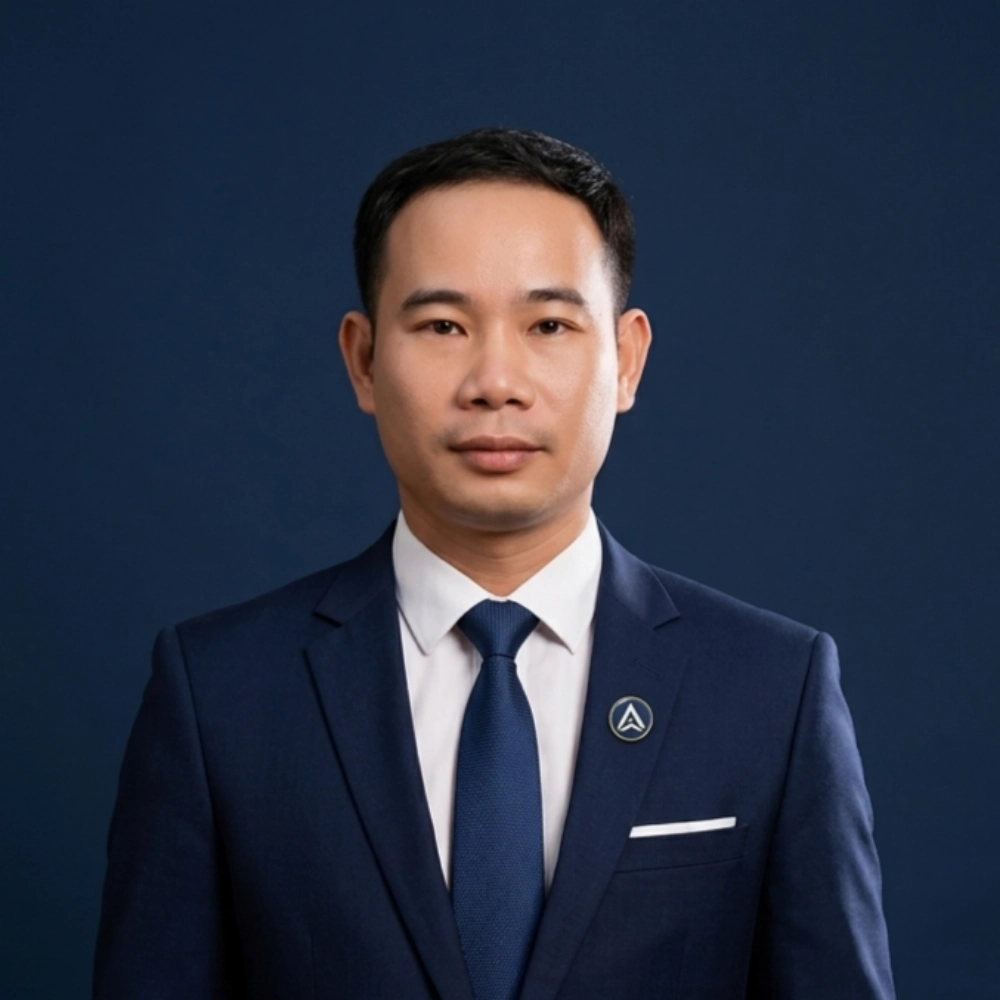
David Pham
Project Manager

Harold Le
Project Manager
Office 1
Project Managers — Office 1

Jane Tran
Project Manager

Robert Vo
Project Manager

Leo Tran
Project Manager

Roy Nguyen
Project Manager
Office 2
Project Management — Office 2

Kevin Vo
Project Manager
What leadership is for
Create clarity without creating dependence
When every important decision has to climb back to the same person, leadership becomes a bottleneck. AXANH expects leaders to make the outcome, priorities and responsibilities clear enough that people can act with sound judgment within their scope.
That does not mean distributing every decision. Some choices belong with the person carrying the relevant responsibility. The discipline is to make decision rights, context and escalation clear, listen before important decisions are made, and help people understand why the final direction matters.
Alignment in practice
Make the question clear
Before asking people to execute, define the outcome, the constraints that matter and who owns the decision. A team cannot align around a target it interprets in several different ways.
Hear useful dissent
Different views should surface while a decision can still improve. Respectful disagreement is useful when it reveals risk, missing context or a stronger option, not when it becomes personal resistance.
Create shared ownership
After the relevant voices have been heard and a sound decision is made, people need enough context to carry it forward with judgment rather than simply repeat an instruction.
Leadership principles
Four habits make leadership useful
Leadership becomes credible through repeated behavior. Four habits matter most here: clarify what matters, use authority in service of the work, develop judgment in others and leave useful capability behind.
01
Direction
Clarify what matters
Good direction is more than announcing a target. Leaders make priorities, trade-offs and decision rights visible, then check whether the team is working from the same understanding. This gives people a clearer basis for choosing what to do next when circumstances change.
Clear direction helps distributed work remain connected to the same result.
02
Service
Use authority to serve
Authority is useful when it removes avoidable obstacles, shares information people need and protects the conditions for good work. Serving a team does not lower standards. It creates a stronger foundation from which people can meet them responsibly.
Leadership should make good work easier to understand, own and deliver.
03
Development
Grow judgment in others
Feedback, mentoring and gradually greater responsibility help people build judgment, not only task knowledge. A leader creates more organizational capability when others become better able to make sound decisions without waiting for constant instruction.
Development is working when capability spreads beyond the person who already has it.
04
Stewardship
Leave something reusable
Useful lessons should outlive the moment that produced them. When a recurring issue becomes a better checklist, a clearer expectation or a stronger working habit, leadership leaves an asset that the next person and the next project can use.
A stronger system carries learning forward instead of repeatedly starting from memory.
Developing people
Good leaders create fewer bottlenecks over time
Developing people is an operating responsibility, not a separate activity beside the work. Leaders make expectations visible, give feedback while it can still improve the work, and expand responsibility as judgment grows. The aim is not independence from leadership; it is a stronger distribution of capability.
01 · Expectations
Make the standard visible
People develop faster when they can see what good judgment and good work look like, rather than trying to infer the standard after review.
02 · Feedback
Respond while it matters
Useful feedback arrives close enough to the decision or work product that the person can understand the reasoning and apply it again.
03 · Responsibility
Expand ownership gradually
Give people room to decide within a clear scope, then increase responsibility as their judgment and reliability become stronger.
Long-term value
Today’s choices shape tomorrow’s capability
AXANH culture uses the idea of seeds to describe cause and effect over time. In business terms, the principle is practical: the value created today helps shape the trust, capability and relationships available tomorrow.
01
Make decisions legible
When the reasoning, owner and next step are clear, people can act with less interpretation and future handoffs retain more of the context behind the decision.
02
Develop judgment, not dependence
A well-answered question should make the next question easier. Mentoring becomes more valuable when it increases another person’s ability to decide responsibly within their scope.
03
Turn lessons into practice
A repeated problem should not remain a private memory. Useful learning can become a review point, checklist or working agreement that other people can understand and reuse.
04
Strengthen the client outcome
Leadership includes looking beyond the internal task to what the client is trying to achieve, then making risks, decisions and practical improvements visible within the agreed scope.
The question is not whether every good action produces a return. It is whether today’s actions are creating stronger conditions for the next project, the next leader and the next stage of partnership.
Unity in practice
Unity leaves room for honest disagreement
A team does not become aligned by removing disagreement. Relevant viewpoints need space before a decision, especially when they reveal a technical concern, a delivery constraint or information that changes the choice.
Once the issue has been examined and the appropriate decision is made, unity means moving forward around the shared outcome. For clients and partners, that should create a clearer interface: concerns surface earlier, messages stay more consistent and ownership is easier to understand.

Client meaning
Clients experience leadership through clarity and continuity
For a client, leadership should be visible in the quality of the working interface, not in the number of senior people in a meeting. Clear ownership, early communication and consistent decisions make it easier to know what is happening, what needs attention and who will carry the next step.
Leadership also affects what remains after a problem is solved. When lessons are shared, responsibilities are clarified and practical improvements become part of the way the team works, the client is less likely to encounter the same avoidable confusion again.
What to look for
One direction
Different contributors can bring different expertise while communicating from the same understanding of the agreed outcome and priorities.
Earlier visibility
Important concerns are raised while there is still time to examine options, rather than being saved for the deadline.
Continuity across handoffs
Decisions, context and review history are made usable for the people who need to carry the work forward.
Improvement that stays
A useful lesson becomes part of future practice instead of depending on one person remembering what happened last time.
Strategic rigor
Good leadership should be willing to be challenged
Strong leadership needs conviction, but it also needs a way to test its own thinking. In 2026, AXANH collaborated with a Utah Valley University MBA strategic consulting team, with academic guidance from Professor Don Capener, Ph.D., Dean of Continuing Education at Utah Valley University, to examine a three-to-five-year growth direction.
The engagement explored premium-partartner positioning, structured partnerships, international expansion and organizational readiness. AXANH retains responsibility for deciding which recommendations to carry forward; the value of the work lies in disciplined outside challenge, not borrowed authority.
2026 collaboration
Challenge assumptions before growth
The documented work examined questions around premium-partner positioning, structured partnerships, international expansion and organizational readiness over a three-to-five-year direction.
Structured challenge is useful when it helps leadership separate attractive ideas from priorities the organization is ready to support and carry forward responsibly.
Common questions
Questions about leadership at AXANH
These questions explain how AXANH connects leadership with alignment, people development, client experience and the ability to grow without making one person the center of every decision.
What does leadership mean at AXANH?
Leadership at AXANH means creating clarity, developing capability and taking responsibility for the conditions in which other people work. Leaders are expected to set priorities, listen before important decisions, welcome respectful disagreement, give useful feedback and help people understand how their work connects to the shared outcome.
How does AXANH develop future leaders?
AXANH develops leadership by increasing judgment and responsibility over time. Expectations need to be visible, feedback needs to arrive while it can still help, and people need opportunities to make decisions within a clear scope. The objective is to build people who can carry more responsibility without becoming dependent on constant instruction.
Does unity mean everyone at AXANH must agree?
No. Unity at AXANH leaves room for relevant disagreement before a decision is made. People are expected to raise concerns, share different viewpoints and challenge ideas respectfully. After the issue has been considered and the appropriate decision is made, the team aligns its effort around the shared outcome.
How should AXANH leadership affect clients and partners?
Clients and partners should experience leadership through clearer ownership, earlier communication and stronger continuity. Leadership also matters after a problem is solved: useful lessons should be carried into future practice so the relationship becomes easier to work within and less dependent on one person’s memory or intervention.
Strategic collaboration
Talk about the leadership behind the partnership
If you are evaluating AXANH as a long-term design partner, the useful conversation goes beyond available capacity. It includes how decisions, accountability, communication and people development will work as the relationship becomes more complex.
Discuss Strategic Collaboration