

Partnership Models
Partnership Fit
Strategic Partnerships
Why AXANH
Discuss Your Needs



Our Story
The AXANH story began with belief in Vietnamese engineers
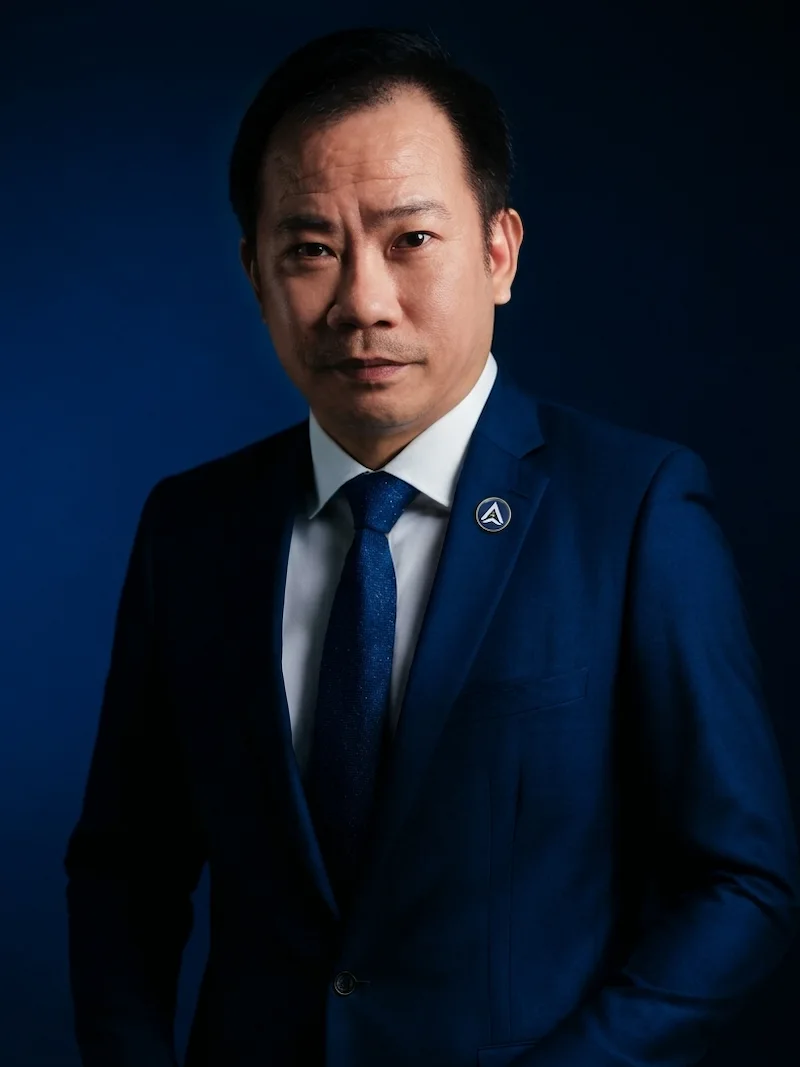
Nearly eight years inside a long-established U.S. design consultancy in Vietnam gave Anthony Nguyen the chance to work directly with U.S. Professional Engineers and see how complex projects were organized, designed and reviewed.
What became increasingly clear was that geography did not define engineering potential. With the right technical foundation, standards, review discipline and professional context, Vietnamese engineers could contribute deeply across major portions of complex design work while licensed professional responsibility remained with the appropriate U.S. team.
At the same time, many engineering graduates in Vietnam were struggling to find work aligned with their training. The gap between capability and opportunity became the starting point for what would later become AXANH.
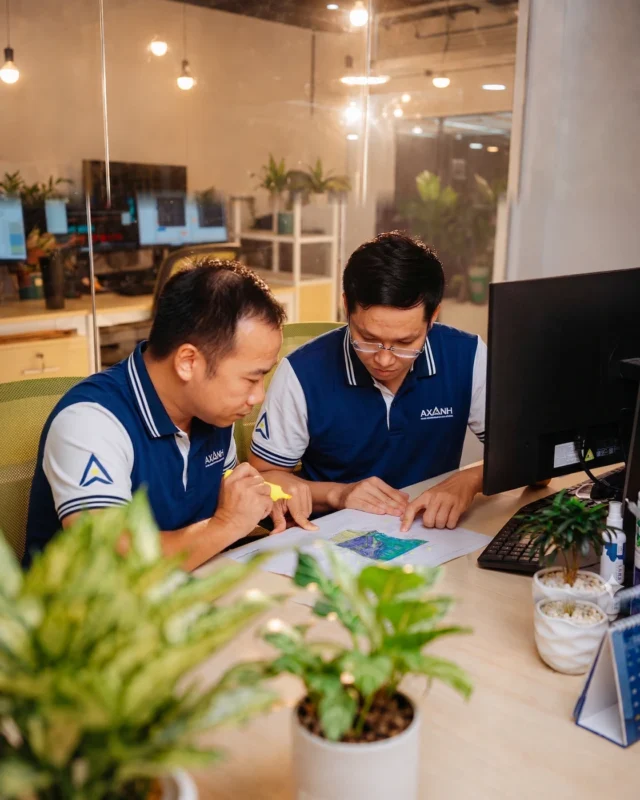
Before AXA Engineers
Eight years revealed a larger opportunity
Working inside a U.S. design consultancy in Vietnam exposed Anthony to technical requirements, project standards, review workflows and the decisions that turn early information into coordinated design documents. More importantly, it showed him what Vietnamese engineers could contribute when they were given access to the right professional environment.
The lesson was not that remote teams could replace licensed professional responsibility. It was that capable engineers in Vietnam could participate much more deeply than the market often assumed when expectations, review and accountability were structured well.
By 2015–2016, the contrast was difficult to ignore. International design firms needed additional capacity, while many young engineers in Vietnam were still looking for work that made meaningful use of their education.
Anthony did not see a lack of talent. He saw a missing bridge between talent and opportunity.
2016
A stable career gave way to a harder idea
Anthony left his role with the U.S. firm to pursue an idea with no guarantee of success. That idea became AXA Engineers.
The letters A-X-A came from Anthony, Xuan & Associates — Anthony, Xuan, his wife and partner in the journey, and the associates they hoped would help build something lasting.
AXA Engineers was born with a clear aspiration: build a bridge between the potential of Vietnamese engineers and the needs of the global market. The point was not to ask clients to believe a claim about Vietnamese talent. It was to create the conditions in which engineers could learn, contribute, take responsibility for their work and let the quality of that work speak for itself.
If clients were going to trust engineers they had never met in person, capability had to become visible through standards, learning, review discipline and consistent delivery.
A mission that continues
Bring Vietnamese engineering intelligence and dedication to the world
What began as the reason for founding AXA Engineers continues in AXANH’s mission: bring the intelligence and dedication of Vietnamese engineers to the world, helping global clients expand design capacity and pursue sustainable growth.
For AXANH, working globally does not require engineering talent to leave Vietnam. It means creating the conditions for engineers in Vietnam to understand international standards, collaborate across borders, communicate responsibly and contribute to projects whose professional review remains with the appropriately licensed team.
For clients, the mission has a practical meaning. Long-term capacity becomes stronger when capable people are developed before demand becomes urgent, and when learning is connected to the standards and working context of real projects.
The early years
A compelling mission was not enough to earn trust
For a U.S. client, the question was practical: why place design work with a team in Vietnam they had never met? In the early years, experience and capability could be explained, but no presentation could substitute for seeing how the team actually worked.
AXA Engineers was fortunate to meet clients willing to test the relationship carefully. They did not begin with the largest or most complex assignments. They started with a defined task, a drawing package or a small pilot that made quality, communication, responsiveness and follow-through visible.
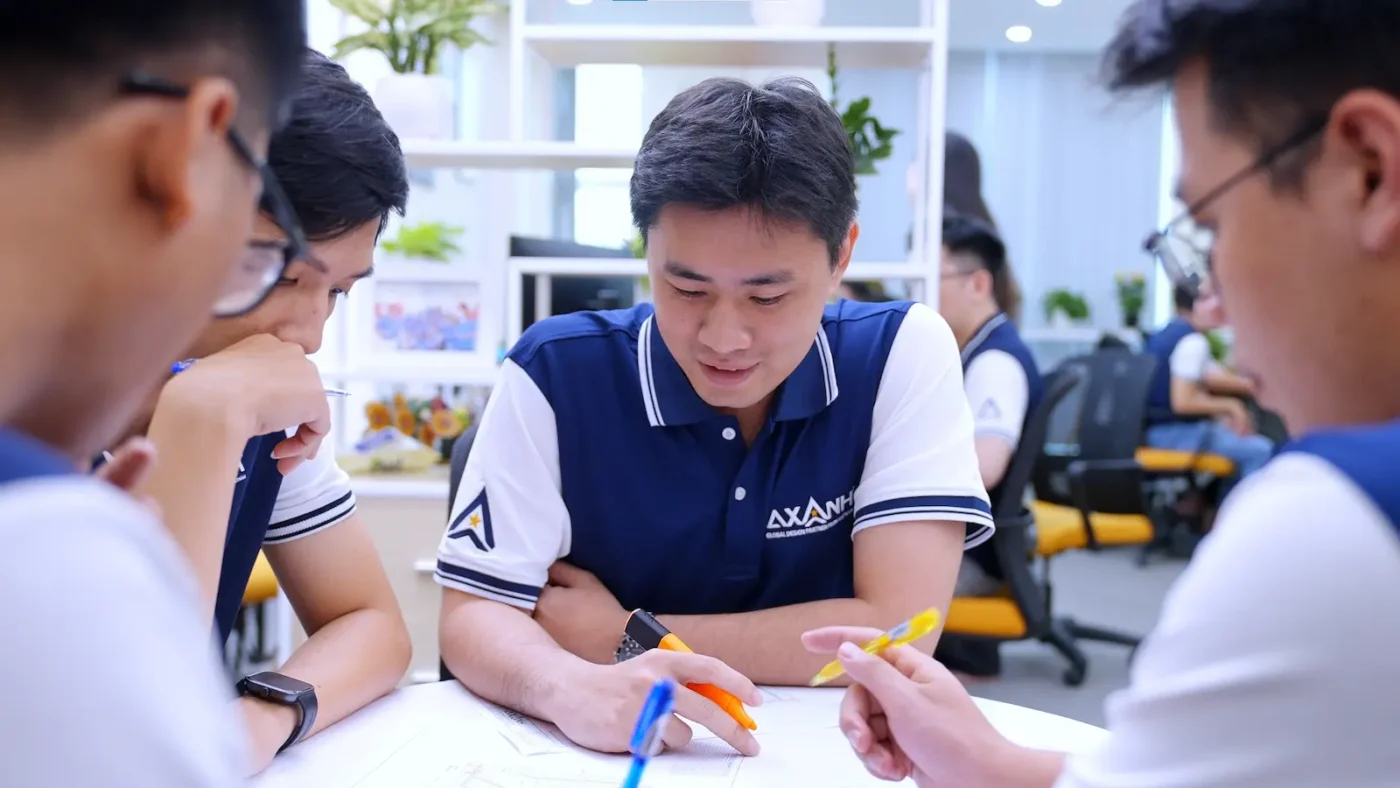
Those early assignments taught both sides something. Clients could see how the team asked questions, responded to comments, handled detail and kept commitments. AXA Engineers learned that technical skill alone was not enough; the team also had to understand how each client worked and why particular decisions mattered downstream.
Then the scope began to change. Some clients discovered that a team almost half a world away could contribute more than they had initially expected. More work followed, then larger projects, more complex questions and deeper operating context.
Trust did not come before the work. Trust grew through the work.
From tasks to a system
Larger work required a shared way of working
A pilot can answer whether a team can perform a task. A longer relationship asks a harder question: can quality, context and consistency survive as projects and teams become larger?
Standards
Build shared templates
With some clients, the relationship included building design templates almost from the ground up. Layers, styles, symbols, sheets and document structure became clearer through actual project use rather than remaining only in the memory of a few people.
A useful template carries agreed decisions forward so the next project does not start from zero.
Documentation
Align presentation standards
Presentation, level of detail and review expectations also became more explicit over time. When both sides share a clearer picture of what a good deliverable should look like, review can focus more on engineering issues and less on repeated formatting corrections.
Consistency becomes easier to repeat when expectations are visible, shared and reusable.
Coordination
Organize project context
Folder structure, naming, version control and handoff practices evolved in response to real project needs. As more people became involved, those details helped new team members find the right information faster and reduced the chance that context would be lost between assignments.
A relationship can scale more reliably when its knowledge is not held only in a few people’s heads.
When opportunity expanded
Scope grew after the operating model proved itself
Not every client relationship followed the same path. In some, however, small trial assignments expanded materially in volume, scale and complexity once the working relationship had been tested.
Project scale
Projects around 600 acres
What began with smaller assignments eventually included land-development work on projects of roughly 600 acres, where coordination, data organization and continuity became materially more important.
Complexity
Programs involving thousands of lots
Some client programs grew to involve thousands of lots. As the number of connected design decisions increased, so did the value of a team already familiar with the client’s standards, templates and review expectations.
Partnership depth
A dedicated team of 30+ engineers
In one long-term relationship, the dedicated team grew to more than 30 engineers focused on that client’s needs. A team of that size only becomes useful when knowledge, communication and responsibility can remain coherent as the organization grows.
The lesson is not the size of the numbers. As opportunity expanded, the standard for discipline, communication, review and accountability had to rise with it. Scale only became valuable when the way of working was able to carry it.
A client’s perspective
Clients began to notice more than technical output
A long relationship is not meaningful simply because it lasts. Its value becomes visible when a client starts to rely on the way a team communicates, organizes work and maintains consistency as the scope becomes more demanding.
During AXANH’s 10-year anniversary, a client company owner reflecting on approximately six years of partnership described what had stood out most: customer service, technical knowledge, turnaround time and the internal systems behind the work.
Shared during AXANH’s 10-year anniversary
“I want to thank the entire AXANH team for what has been approximately six years of partnership. Personally, I’ve had the pleasure of working directly with your team for the past two and a half years, and it has been a tremendous experience.
One thing that has always stood out is your commitment to customer service. Your team is consistently responsive, technically knowledgeable, and incredibly efficient with turnaround times. In our industry, those qualities make a huge difference, and AXANH has delivered them time and time again.
During our biannual reviews, I often find myself talking about how impressed I am with your internal processes and organization. The systems you’ve built and the consistency with which you operate give us something to strive toward within our own company.”
— Client company owner, reflecting on approximately six years of partnership.
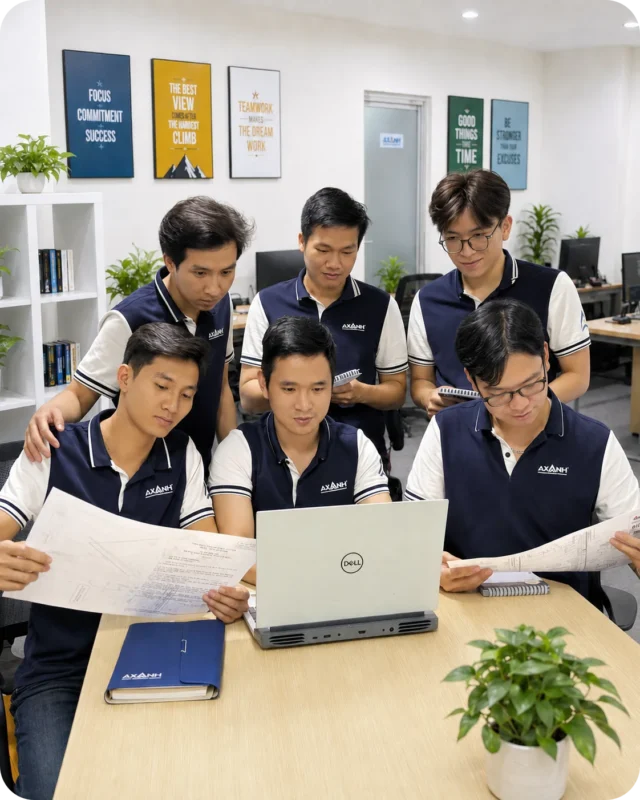
From skill to capability
Scale requires an operating system, not just more people
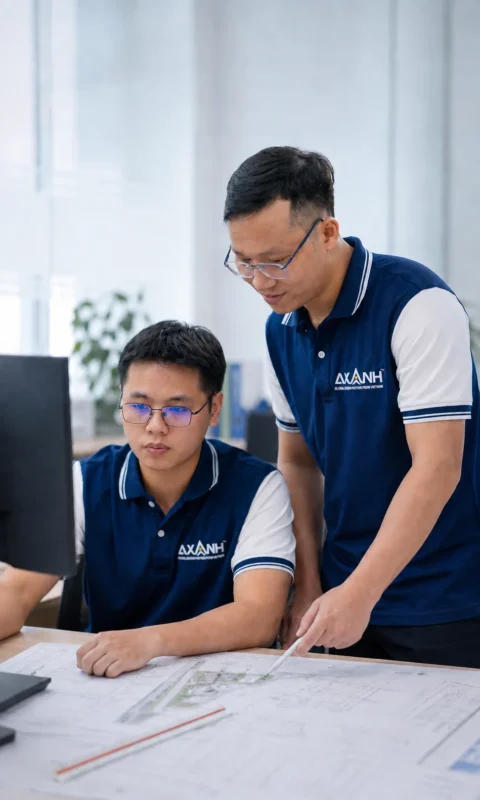
As work becomes larger, quality cannot depend on a few people remembering everything or rescuing problems at the last moment. The organization needs a way for more people to understand context, review work and carry useful learning forward.
Understand context before production
Standards, templates, project goals, review expectations and unresolved questions need to be clear enough that engineers understand not only what to produce, but why particular decisions matter.
Review before handoff
Self-checking, peer review and appropriate review points create opportunities to find errors or unclear assumptions while there is still time to address them.
Turn lessons into shared knowledge
A solved problem can become guidance, a checklist, mentoring material or a better working method so the next engineer does not have to learn the same lesson from the same starting point.
Evidence over time
A milestone matters when capability remains
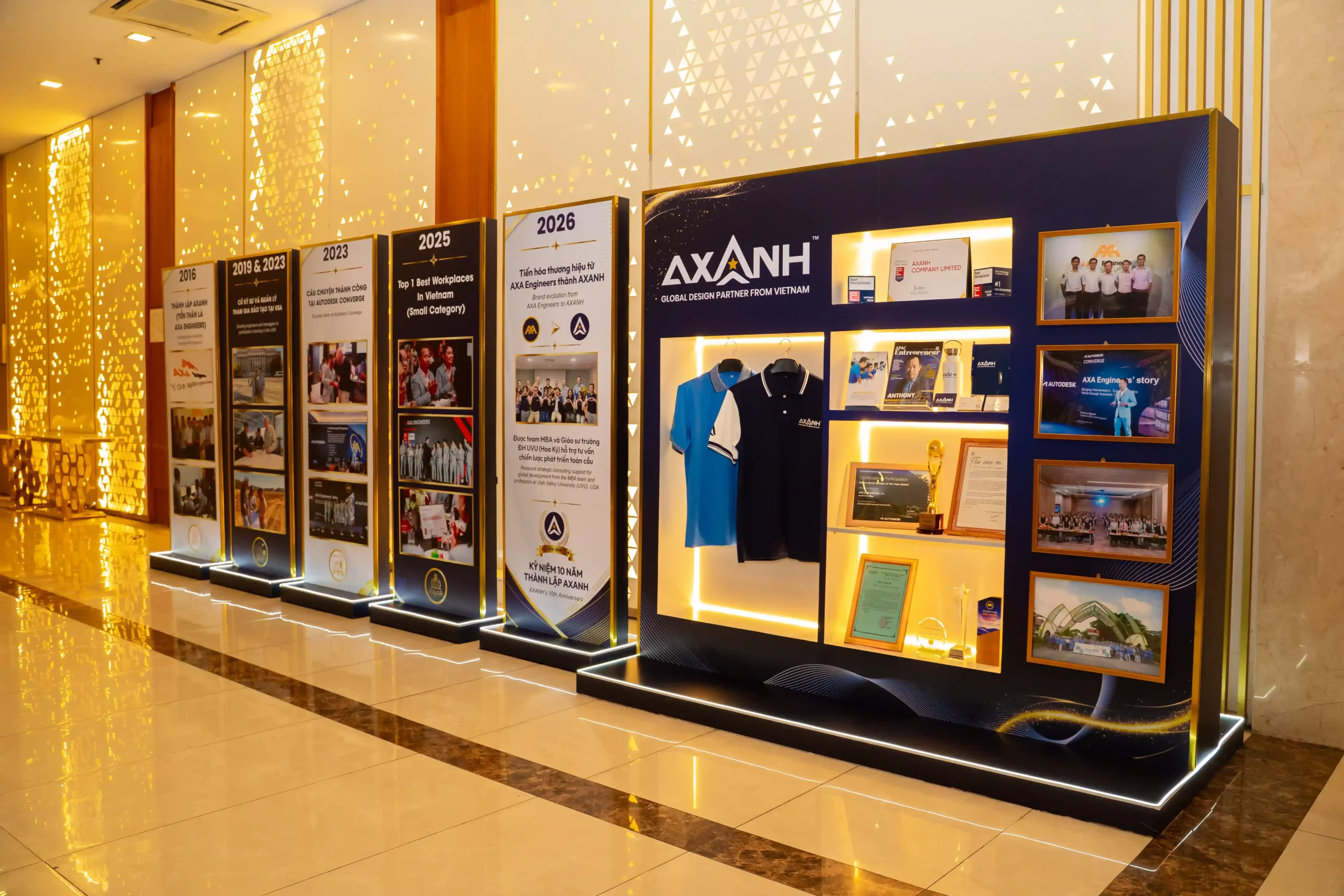
Dates are useful when they show what the organization learned, built or carried forward. These milestones mark selected points in that progression.
2016
The first chapter begins
AXA Engineers was founded, creating the first organizational platform for connecting engineering capability in Vietnam with international design work.
2018
Market learning becomes direct
A documented business and civil-design program in Napa, California gave team members direct exposure to project process, key design content, templates, drafting techniques and teamwork.
2023
The transformation is shared
AXA Engineers was featured in an Autodesk success story for bringing Vietnamese engineers’ expertise to the world through Autodesk Civil 3D, and invited to share the transformation journey at Autodesk Converge 2023.
2025
Workplace culture earns recognition
AXA Engineers — the company name used at that time — was ranked #1 in the Small Category on the Best Workplaces in Vietnam™ 2025 list by Great Place To Work®.
2026
The journey continues as AXANH
The engineering foundation, client relationships and operating discipline built through the first decade continue forward under AXANH — the company, brand and partner for the current and future journey.
From AXA Engineers to AXANH
The name changed; the foundation moved forward
AXANH is the company, the brand, the partner and the destination. AXA Engineers is the engineering heritage that built AXANH. Historical events keep the AXA Engineers name where that was the name in use; current services, capabilities, knowledge and relationships move forward under AXANH.
The transition does not erase the first chapter. It carries the engineering discipline, relationships and lessons of that chapter into a broader organization — one that can invest more deliberately in people, knowledge, governance and partnership.
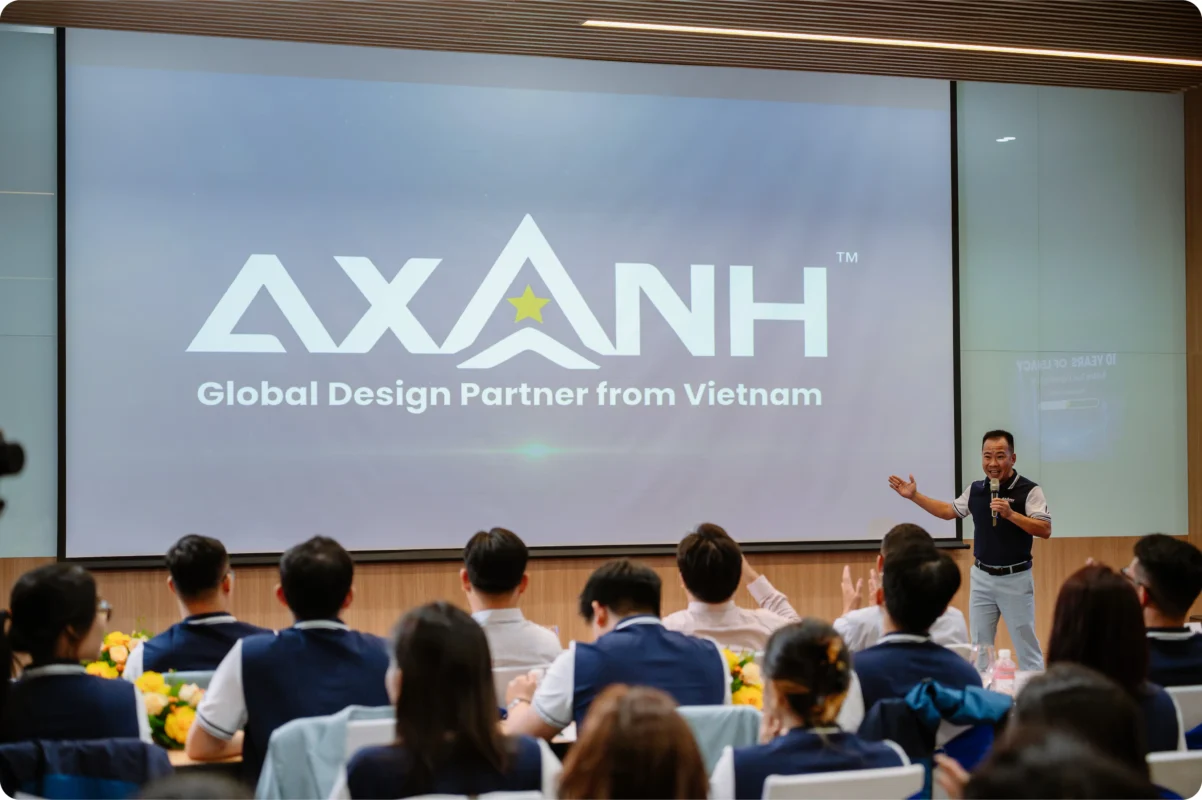
Carrying learning forward
Experience becomes more valuable when it becomes reusable capability
If the original question was how to connect Vietnamese engineers with global work, the next question is how to make useful learning easier to develop, review and carry forward across people, teams and future projects.
The AXANH Engineering Center of Excellence organizes that work through three connected systems.
AXANH Academy develops people
Structured onboarding, mentoring and capability development help engineers strengthen technical judgment, project habits, communication and leadership over time.
Engineering Intelligence develops knowledge
Selected, reviewed lessons can become Practice Knowledge, Applied AI guidance, Research & Standards work or other useful resources without exposing controlled client or operating information.
Academic Partnerships extend the talent pathway
Defined university and academic relationships can connect internships, applied learning, technical exchange and future talent development with the realities of professional engineering practice.
How the story shapes partnership
Partnership depth should follow readiness
AXANH does not treat one engagement model as the answer for every AEC firm. A relationship can begin with a defined project and deepen only when workload, trust, governance and management readiness support it.
The right starting point depends on how much ownership the client wants, how much resource certainty is needed, how delivery responsibility should be shared and how much governance both organizations can sustain.
Start defined
Project support
A clearly scoped project or pilot gives both sides a practical way to test technical fit, communication and working discipline before creating a deeper structure.
Useful when the need is specific and continuity has not yet been established.
Build continuity
Structured design capacity
When workload becomes recurring, a more stable team can build familiarity with the client’s standards, templates, review rhythm and project context instead of resetting the relationship for each assignment.
Useful when continuity and repeatability matter as much as additional capacity.
Think long term
Global team building
When the operating conditions are mature, the relationship can move toward deeper team ownership and resource certainty in Vietnam, supported by stronger governance and mutual commitment.
Useful when long-term workload and management readiness justify a deeper model.
The deepest model is not automatically the best model. The right model is the one both organizations can operate well today, with room to deepen as workload, trust and governance mature.
Our Story FAQ
Questions clients often ask about the AXANH journey
What is the relationship between AXANH and AXA Engineers?
AXA Engineers is the engineering heritage that built AXANH. Historical events remain attributed to AXA Engineers when that was the company name in use. AXANH is the current company, brand, partner and long-term destination for current services, capabilities, knowledge and new relationships.
Why was AXA Engineers founded in 2016?
AXA Engineers was founded to connect the potential of Vietnamese engineers with the needs of the global design market. Anthony Nguyen’s earlier work with U.S. Professional Engineers had shown how deeply capable engineers in Vietnam could contribute when standards, review and professional context were structured well.
How do AXANH client relationships typically begin?
A relationship can begin with a defined project, package or pilot when that is the right fit. A bounded starting point lets both sides evaluate technical capability, communication, review discipline and operating fit before deciding whether recurring work or a more structured team makes sense.
Is a deeper partnership model always the better choice?
No. Greater continuity, ownership and resource certainty can be valuable, but deeper models also require more stable workload, clearer governance, stronger onboarding and greater commitment from both organizations. AXANH’s principle is to begin at the level that fits current readiness and deepen only when the operating conditions justify it.
What does the Engineering Center of Excellence mean for clients?
The AXANH Engineering Center of Excellence is AXANH’s organizational capability and knowledge platform. It connects people development, reviewed engineering knowledge and academic pathways so useful learning can be carried forward instead of remaining with one individual or one project. For clients, the practical value is a stronger basis for continuity, capability development and shared learning over time.
The story continues
The next chapter starts with the right fit
The first decade taught AXANH that strong relationships do not need to start large. They need to start clearly, perform reliably and build enough context for trust and responsibility to grow.
If you are evaluating a design partner in Vietnam, the next step is not to choose the deepest model first. It is to understand the capacity, continuity and operating responsibility your team actually needs.
Global Design Partner from Vietnam
We Design Beyond Borders
Engineering talent, operating discipline and partnership design come together to help global AEC firms build capacity with greater continuity and clarity.