


Partnership Models
Partnership Fit
Strategic Partnerships
Why AXANH
Discuss Your Needs



US Market Learning
From Napa to Vietnam: Turning Direct Learning Into Team Capability
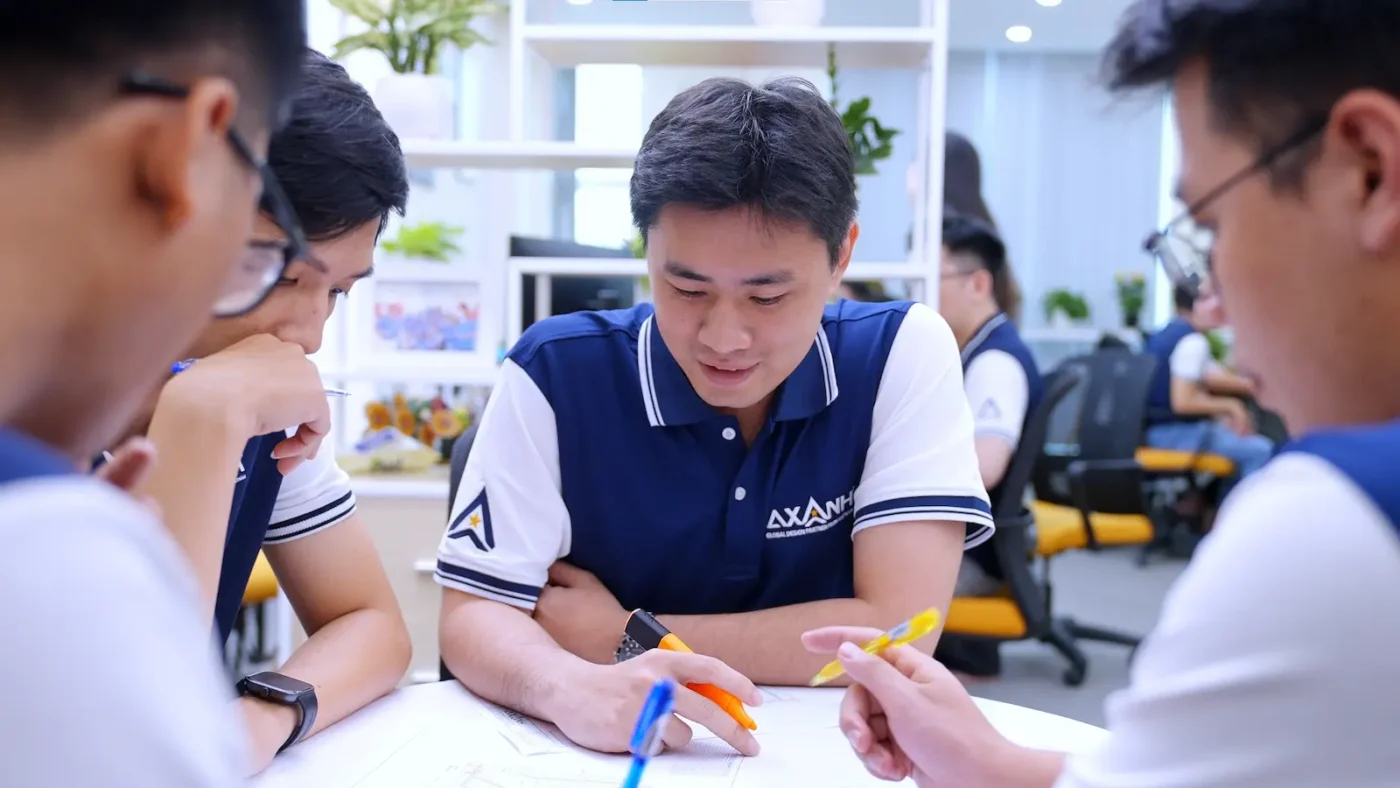
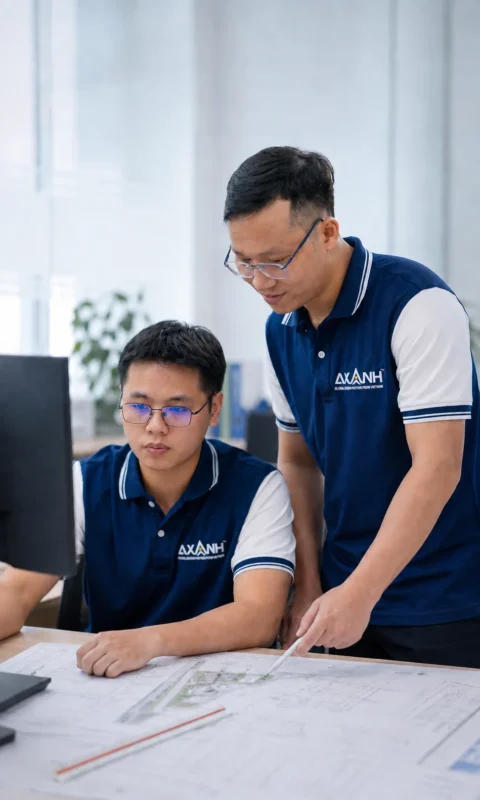
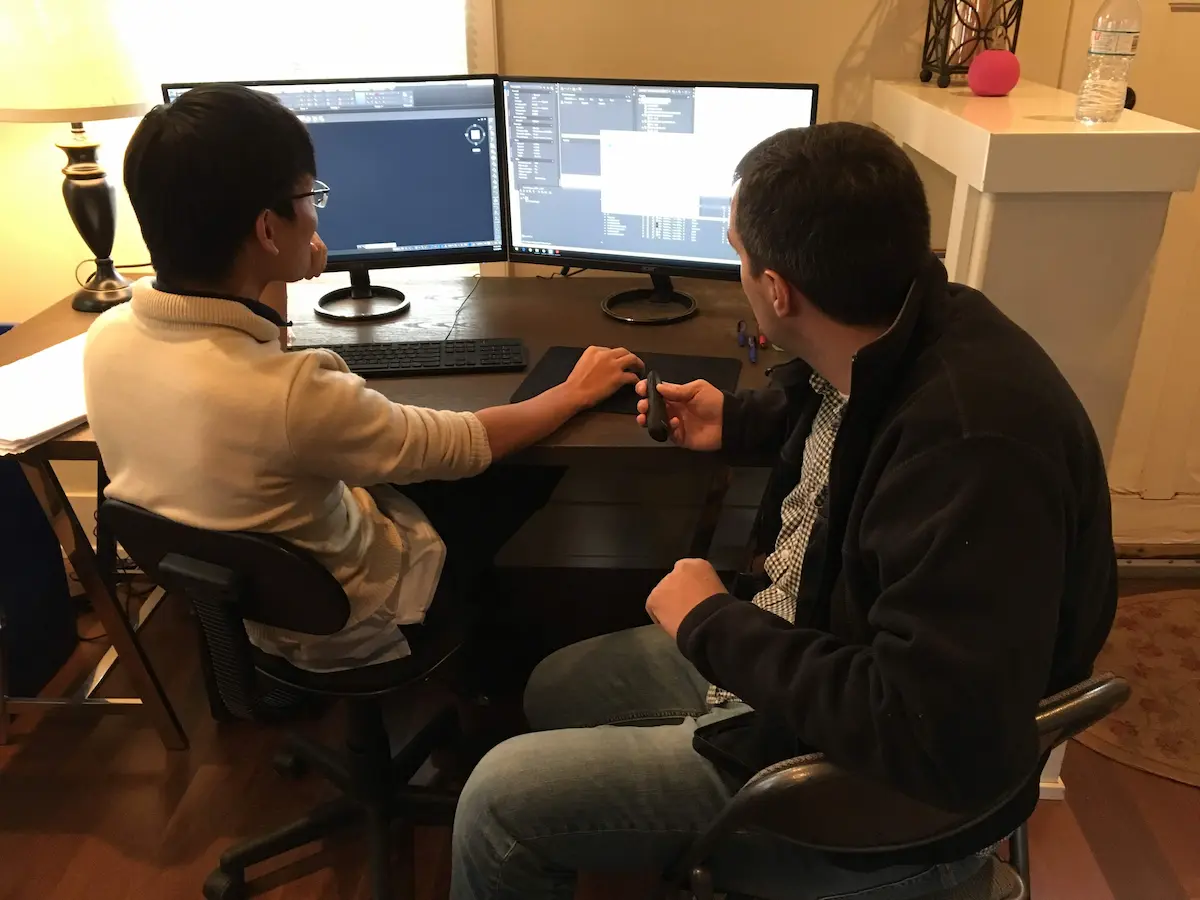
In 2018, during the AXA Engineers chapter that built AXANH, our organization sent two engineers to spend two months learning with one of our clients in Napa, California. That US market learning continued after they returned: they documented what they learned, trained the wider team, and turned direct exposure into shared capability.
The most valuable outcome was not what two engineers learned in California. It was what the wider team could learn after they came home.
2018 Learning Record
Two engineers. Two months. One client environment.
Location: Napa, California
Focus: Business context and civil-design practice
After return: Report development and internal team training
Purpose: Transfer direct market learning beyond the two participants
Why It Mattered
Learning matters when it reaches the wider team
Distributed engineering teams can receive drawings, markups and instructions without seeing enough of the professional context behind them. Working directly inside a client environment changes the questions an engineer is able to ask: where information comes from, how decisions are reviewed, why standards matter, and how one part of the project affects another.
That was the deeper purpose of Napa 2018. The two engineers were not sent simply to observe. They were expected to learn, organize what mattered, return to Vietnam and help the wider team understand more of the process around the drawing.
The Transfer Principle
Learn it. Capture it. Teach it.
Direct exposure becomes organizational capability only when useful context is documented, explained to others and carried into future work. The report and the team training after Napa turned individual learning into a shared starting point.
The lesson is simple: send people to learn deeply, then make the knowledge travel farther than they did.
Inside the Process
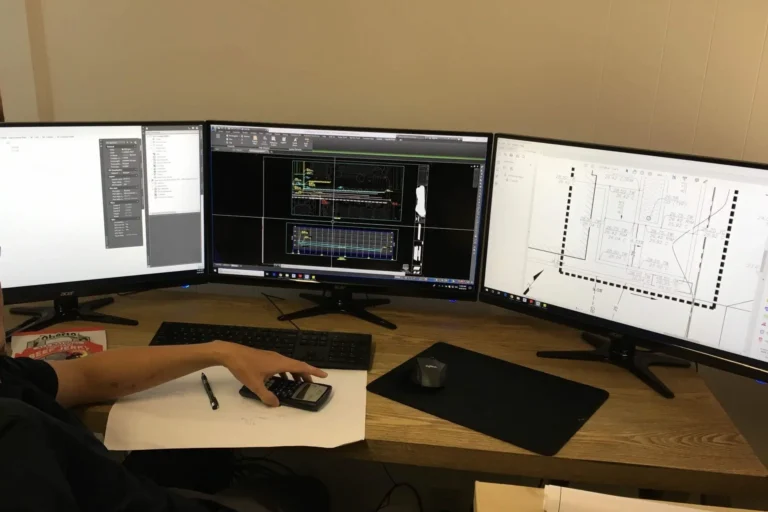
The engineers learned the process behind the drawing
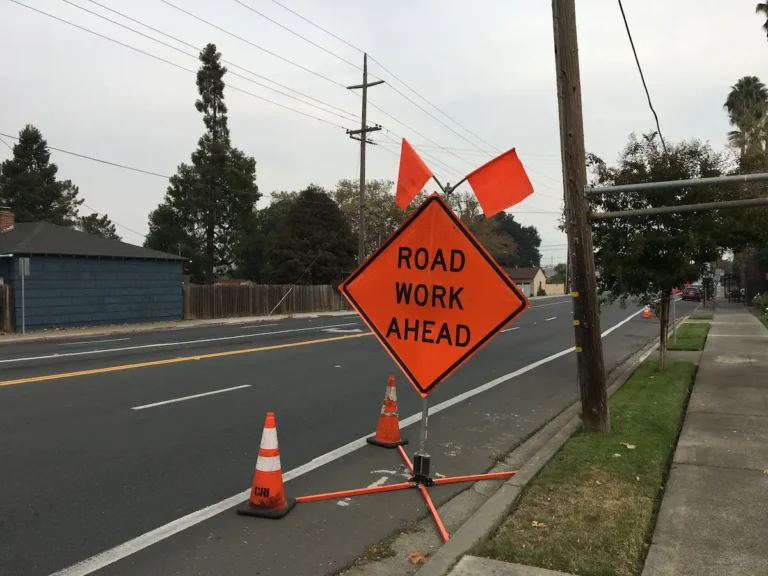
The 2018 report framed civil design as a sequence of decisions rather than a stack of isolated drafting tasks. That distinction matters because a plan sheet makes more sense when the engineer understands what information came before it, who needs to review it and what happens after it leaves production.
Gather project inputs
Start with survey information, existing utilities and the architectural or landscape information relevant to the site.
Understand owner requirements
Clarify what the owner is trying to achieve before technical production advances too far.
Develop initial ideas
Use early sketches to make design thinking visible enough for discussion and direction.
Translate ideas into plans
Develop the selected direction into clearer plan information for coordination and review.
Move through agency review
Prepare the project information for the applicable public review process and its comments.
Respond and complete
Work through markups, update the drawings and continue the set toward completion.
Civil Design Learning
The program connected production details with design context
The report covered practical subjects that a remote civil-design team encounters repeatedly. The value was not memorizing one local detail. It was seeing how plan organization, site constraints, quantities, drainage and production standards connect inside a real client workflow.
01
Plan set structure
Site plans, grading and drainage plans, and improvement and utility plans were reviewed as distinct parts of a coordinated project set.
02
Labels and dimensions
Naming, labels and dimensions for structures and pipes showed how consistent conventions make information easier to read across a drawing set.
03
Parking design
Standard, compact and accessible parking conditions were examined through local examples and the broader site-planning context around them.
04
Subdivision thinking
Existing conditions, roads, access, sidewalks, curbs, parking, lot division, setbacks and fire access were considered as connected layout decisions.
05
Stormwater context
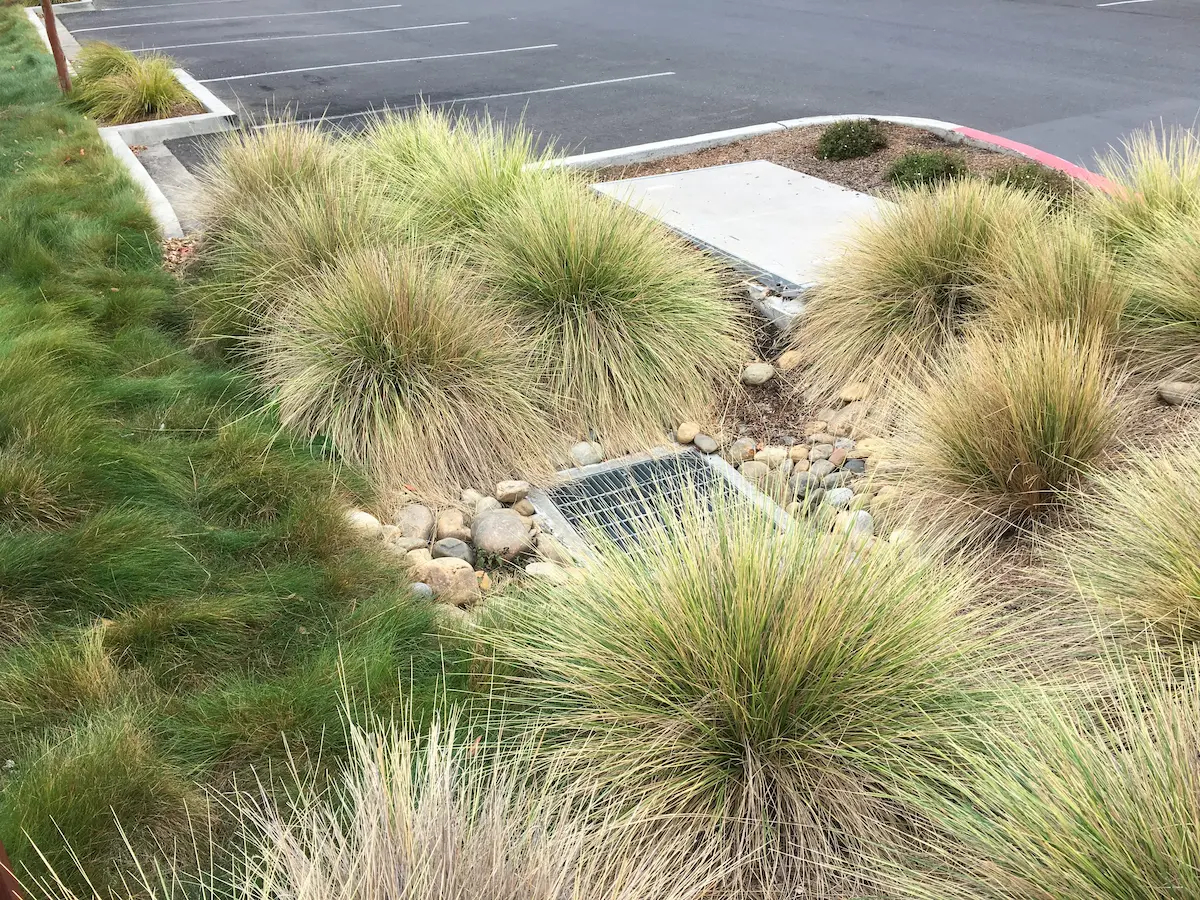
Bioretention, impervious and pervious areas, facility sizing and grading were discussed as parts of a drainage concept rather than isolated calculations.
06
Quantities and templates
Quantity takeoff boundaries, template currency, drawing cleanup and shared production habits reinforced the discipline required for coordinated delivery.
After Napa
The learning returned with the engineers
Two months of direct exposure would have had limited organizational value if the knowledge had remained personal. After returning to Vietnam, the engineers organized the experience into a report and used it to train the wider team.
That step is central to the story. The report gave the team a common reference for discussing project process, plan production, drainage, subdivision, quantities, templates, drafting practices and teamwork. It also created a record that could be revisited instead of relying only on memory.
Experience the client context
Spend enough time close to the work to understand more than the task being handed off.
Capture what matters
Organize useful observations, examples and working logic into material the team can review.
Train the wider team
Transfer the knowledge beyond the travelers so more engineers can understand the same context.
Carry lessons forward
Use documented learning as a stronger starting point for future onboarding, discussion and client-specific training.

What Clients Gain
Better context changes the quality of collaboration
A client should not have to choose between external capacity and a team that understands how the work fits together. Direct learning does not remove the need for project-specific direction, but it gives engineers a stronger basis for understanding why instructions exist and what questions need to be asked.
01
Standards become easier to understand in context
A template, markup or review comment carries more meaning when the engineer understands the client workflow around it. That can reduce repeated explanation and make standards transfer more practical.
Client Meaning
Less translation between teams
More of the conversation can focus on the work itself instead of repeatedly rebuilding basic context.
02
Knowledge can move beyond one person
When useful learning is documented and taught internally, a client-specific lesson has a better chance of becoming team knowledge rather than staying with the individual who happened to receive it first.
Client Meaning
A stronger shared starting point
Future team members can begin with more context when approved learning has already been captured and organized.
03
Partnership can become a learning system
The deeper the relationship becomes, the more useful it can be for both teams to exchange working context intentionally rather than waiting for knowledge to transfer indirectly through project markups.
Client Meaning
Shared capability can compound
A partnership creates more value when both teams keep improving how they understand and work with each other.
The Next Chapter
We will keep learning inside our partners’ context
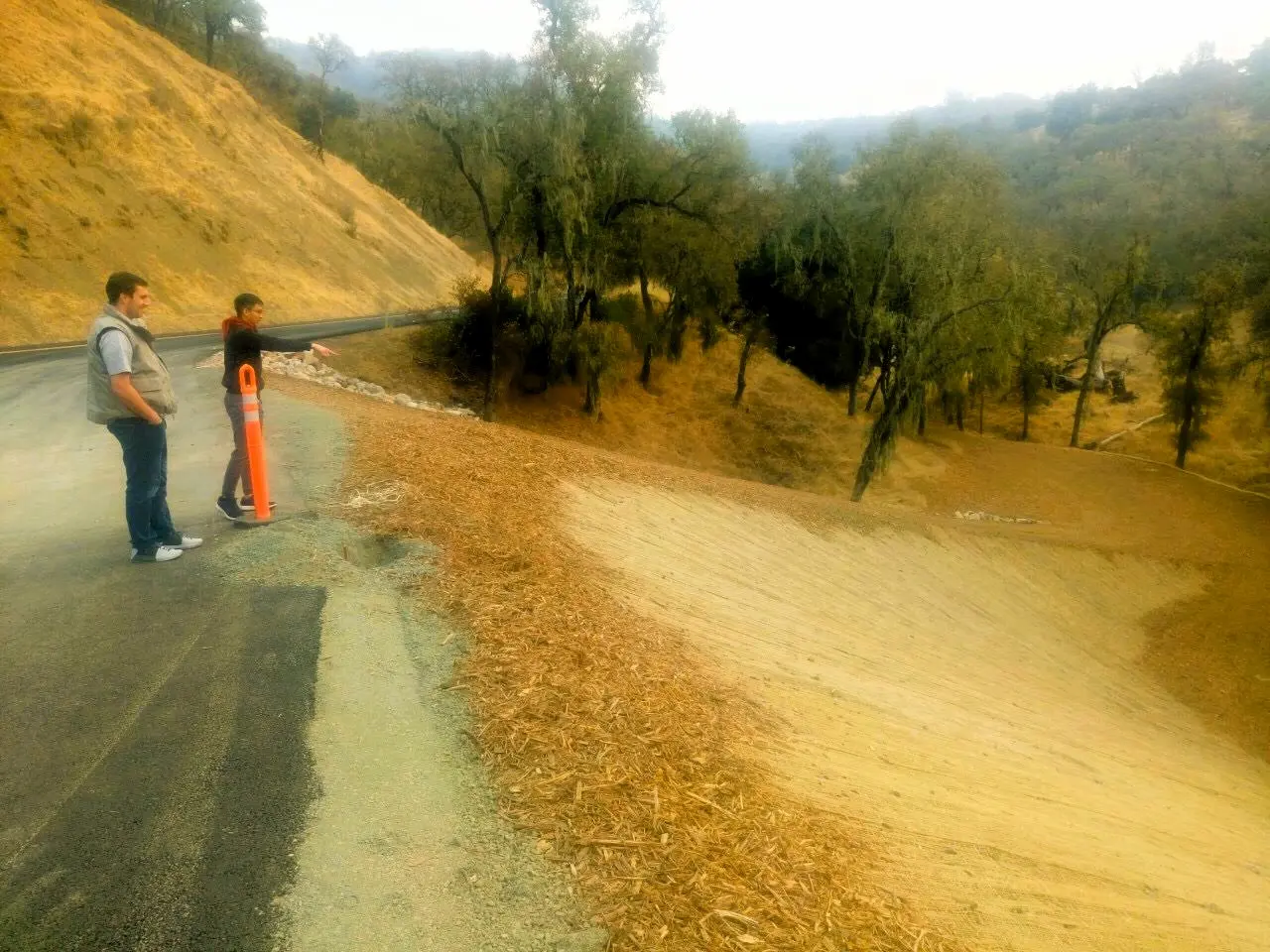
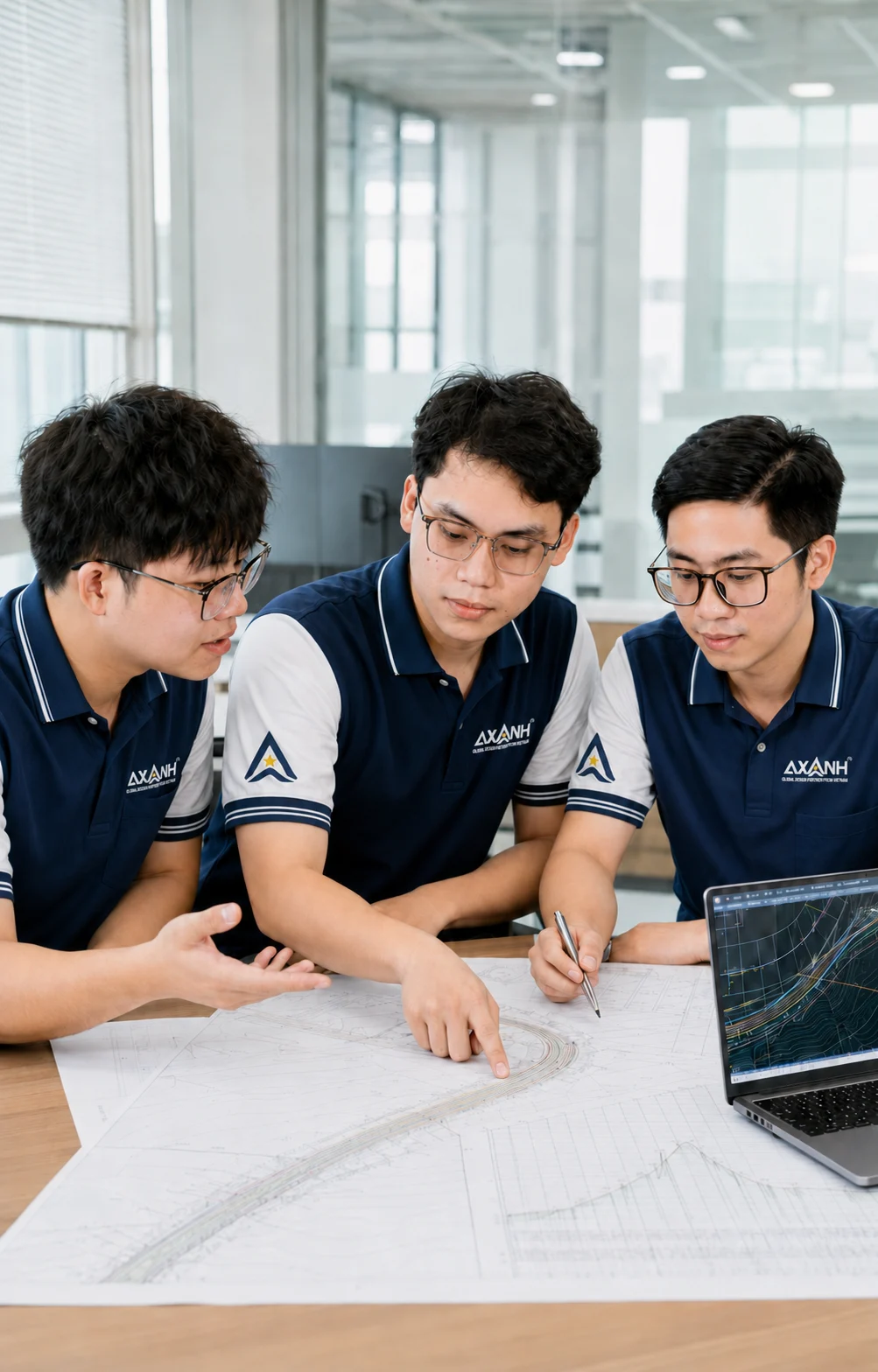
AXANH will continue developing recurring client exchange and cross-training programs. Where the relationship, confidentiality requirements and project access support it, our engineers can spend time working from a partner’s office, learn directly from their technical team, understand the standards and design thinking behind the work, and visit relevant project sites.
When they return, the responsibility is to bring that context back to the wider AXANH team through training, documentation and practical knowledge transfer. The goal is not travel for its own sake. It is to return more capable of creating value for the client.
Work beside the partner team
Spend focused time inside the partner’s working environment to understand how information, decisions and reviews actually move.
Learn standards and design thinking
Go beyond file instructions to understand the reasoning, preferences and technical context that shape the shared work.
Connect drawings with real sites
Where access and project conditions permit, visit relevant sites so technical information can be understood against physical conditions.
Bring the learning home
Turn direct exposure into team training, reviewed documentation and a stronger starting point for future collaboration.
Make cross-training two-way
Deeper partnerships can create structured opportunities for both engineering teams to teach, learn and align around the work they share.

Build the Next Exchange
Bring both engineering teams closer to the work
If you are not yet an AXANH client but this is how you want an engineering partner to learn, start a partnership conversation with us. If you already work with AXANH, book a conversation with Anthony and begin planning a cross-training program between your engineering team and ours.