








When an architecture, engineering, or construction (AEC) firm evaluates an external design support partner, technical capability is only part of the decision. The client also needs to understand how the partner receives requirements, assigns responsibility, reviews work, and manages information before handoff.
These questions matter even more when project teams collaborate across offices, organizations, and time zones. Drawings and models may pass between several people, often under different documentation standards and approval arrangements.
AXANH ISO 9001:2015 certification provides an independently assessed reference for the quality management system behind the company’s specified engineering support activities. For prospective clients, it is another way to evaluate AXANH’s organizational approach alongside technical capability, relevant experience, and project fit.
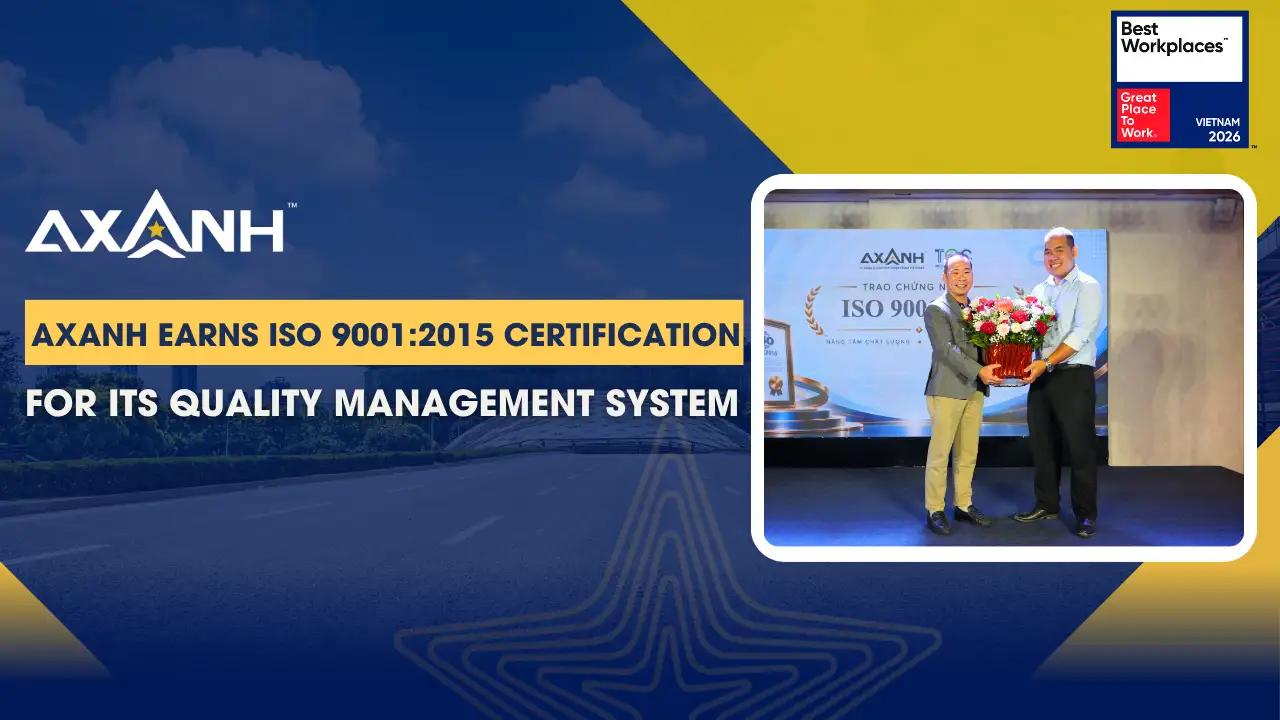
AXANH Earns ISO 9001:2015 Quality Management System Certification
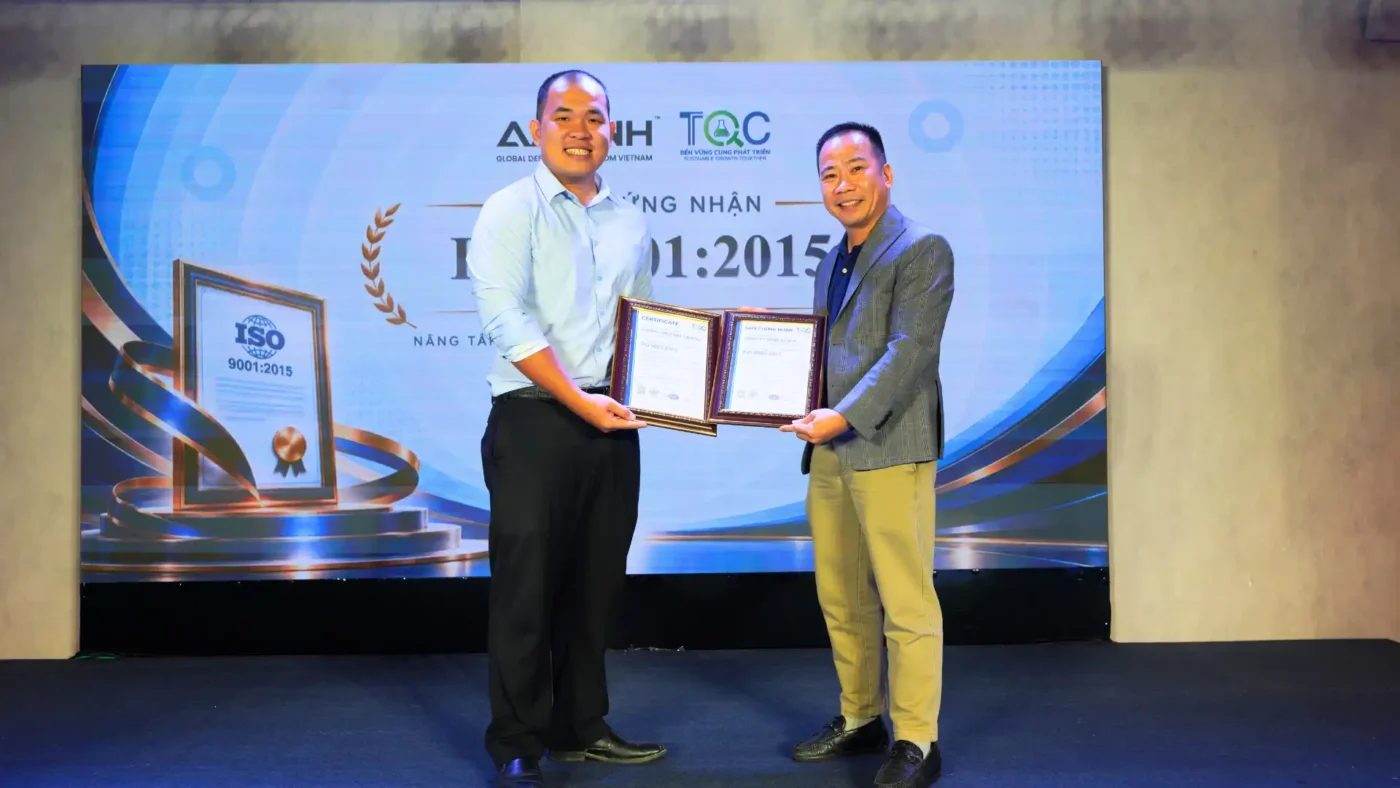
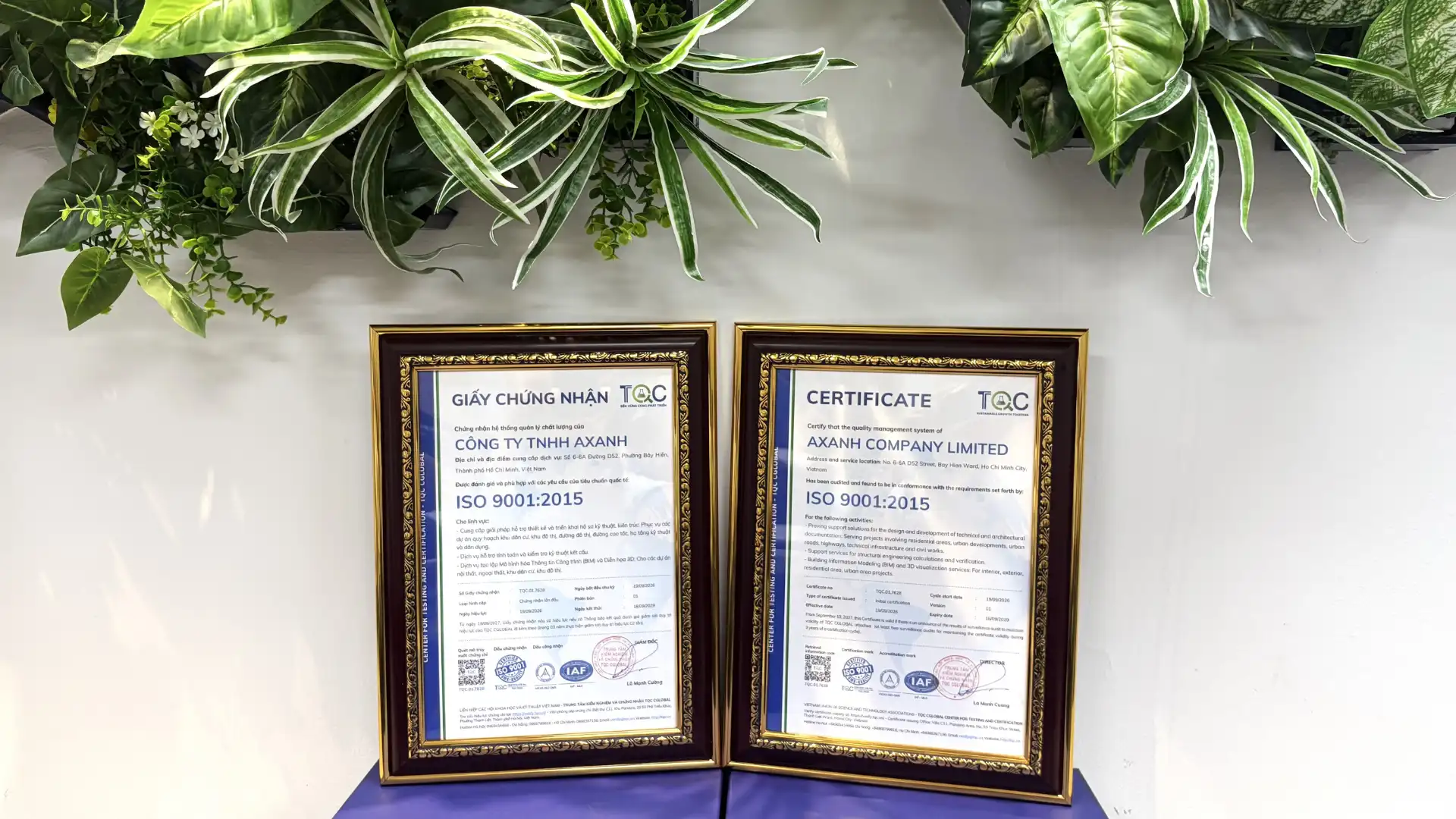
The quality management system of AXANH Company Limited has been assessed and certified as conforming to ISO 9001:2015 within the scope stated on the certificate.
Certificate TQC.01.7628 was issued by TQC CGLOBAL, effective September 19, 2026.
ISO 9001:2015 specifies requirements for a quality management system, including the management of processes, relevant customer requirements, performance evaluation, and continual improvement.
For AXANH, the certification documents a milestone in developing its organizational quality management practices. For clients and partners, the certificate is a concrete record they can examine as part of their evaluation of the company.
What Activities Are Covered by AXANH’s Certification?
The scope of certification identifies the activities included in the assessment of AXANH’s quality management system. The certificate covers three groups:
- Technical and architectural design documentation support: Providing support solutions for the design and development of technical and architectural documentation for residential areas, urban developments, urban roads, highways, technical infrastructure, and civil works.
- Structural engineering calculations and verification support: Providing support services for structural engineering calculations and verification.
- BIM and 3D visualization: Providing Building Information Modeling (BIM) and 3D visualization services for interior, exterior, residential area, and urban area projects.
These are the activities covered by the certified management system. They should be evaluated against the scope of any proposed engagement rather than assumed to cover every service or professional responsibility.
The certification applies to a quality management system, not to individual drawings, BIM models, or project outcomes. Project-specific technical review, applicable engineering standards, contractual responsibilities, and professional approvals remain necessary.
What AXANH ISO 9001:2015 Certification Means for Clients
Engineering firms considering outside design support typically review skills, available capacity, and experience. They also need to know whether a potential partner can work within their standards, reporting arrangements, and quality expectations.
AXANH’s certification adds evidence about the management system supporting the activities within its scope. Four considerations make that evidence relevant to a client evaluating a working relationship.
An Independent Reference for Partner Evaluation
Clients working with a team in another country may have limited visibility into the provider’s daily operating practices. An independently issued quality management system certificate gives them a defined record to assess: the certified entity, applicable standard, certificate issuer, effective date, and scope.
That record can inform supplier due diligence. It complements, rather than replaces, checks of technical expertise, relevant work, delivery arrangements, confidentiality requirements, and commercial terms.
A Starting Point for Aligning With Client Standards
AEC firms may use different design standards, drawing conventions, document controls, review procedures, and approval responsibilities. An external team needs to understand these requirements before it can support the client’s established delivery process.
A structured quality management approach helps frame the right discussions at the start of an engagement: What inputs are required? Which standards govern the work? Who is responsible for each task? What must be checked before handoff?
AXANH and the client must still agree on the specific requirements and working arrangements for each assignment. Certification alone does not establish that fit.
Clearer Responsibilities for Review and Handoff
Before assigning technical work, a client needs to know what the supporting team will review internally and which decisions or approvals remain with the client.
Clearly assigned review responsibilities can help prevent the client’s final review from becoming the first point at which avoidable issues are identified. The level of checking should reflect the type of work, its complexity and risk, and the responsibilities agreed upon for the project.
For clients, the practical next question is how AXANH’s review approach would be applied to their own scope, deliverables, and acceptance criteria.
A Management Foundation for Longer-Term Collaboration
A long-term engineering relationship may involve changing requirements, additional team members, and adjustments to established workflows. Consistent ways of assigning responsibility and learning from review findings become more important as collaboration develops.
A maintained quality management system provides a framework for considering those changes. Clients should still evaluate continuity, responsiveness, and delivery performance through the actual engagement and the agreed terms of service.
How Quality Management Connects to Engineering Work
A drawing revision offers a useful illustration. The engineer making the change may understand why it was requested, but the next person reviewing the package also needs to know which revision is current, what changed, and whether related questions remain open.
Technical skill matters at each stage. So do clear ownership, shared working guidance, and review before information passes to the next person.
Responsibility Begins With the Engineer Doing the Work
The person preparing a deliverable should understand its requirements and check the work before handing it off. Additional review provides another perspective, but it does not remove the original engineer’s responsibility.
Working Procedures Support Consistency
For recurring tasks, documented guidance helps a team work from shared expectations instead of relying entirely on individual memory. Procedures remain useful only when they support the work; engineering judgment and appropriate clarification are still required when project conditions differ.
Review Should Match the Assignment
AXANH’s publicly described Quality & Review approach includes three review perspectives:
- Self-Check: The person performing the work checks their own deliverable against the relevant requirements.
- Peer Review: A suitably qualified colleague provides an additional technical perspective where appropriate.
- Manager Review: A manager considers wider issues related to responsibilities, readiness, or project requirements when needed.
These are review responsibilities, not a mandatory three-step sequence for every task. The scope, complexity, risk, and agreed division of responsibility determine what is appropriate.
For a more detailed explanation of AXANH’s review approach, see Engineering Quality Review Starts Before Final Handoff.
Traceability and Feedback Across Engineering Handoffs
Drawings, models, and supporting documents may be revised several times during a project. As information changes, the receiving team needs to identify the current version, understand the reason for relevant revisions, and recognize what still requires clarification.
Traceability supports the ability to find the source, version, and context of technical information. It is particularly useful when work is transferred between teams operating in different locations or time zones.
Review findings can also inform improvement. Correcting a drawing addresses the immediate issue; understanding what contributed to it can help determine whether the instructions, coordination method, or review point should be adjusted.
The response needs to match the cause. Adding a checklist or approval step is useful only when it addresses a real need.
MARKETER – IMAGE 03: Insert the approved English infographic, “Quality Management Framework,” here. It should show Responsibility, Process, Review, Traceability, and Feedback & Improvement. Replace this paragraph with the WordPress image and its caption before updating the live post.
From Requirements to Handoff: What Clients Should Agree With AXANH
The AXANH ISO 9001:2015 certification offers information about the company’s assessed quality management system. To make that information useful in a particular project, AXANH and the client still need to agree on how work will be organized.
- Scope and technical requirements: Define the tasks assigned to AXANH, applicable standards, required inputs, and expected deliverables.
- Responsibilities and decision authority: Identify who prepares the work, who reviews it, who communicates issues, and who holds the relevant approval authority.
- Coordination and change management: Agree on how information is shared, documents are updated, changes are communicated, and unresolved questions are escalated.
- Review and handoff criteria: Specify the checks required before handoff, how completion will be assessed, and which approvals remain with the appropriate parties.
These agreements connect quality management principles with the actual delivery environment. They give both teams a common reference for reviewing responsibilities, information, and readiness as work progresses.
Maintaining Quality Is an Ongoing Responsibility
Achieving ISO 9001:2015 certification is a documented milestone in AXANH’s development of its quality management system. Its continuing value depends on how the system is maintained as client requirements, technology, staffing, and ways of working evolve.
Responsibilities need to remain clear. Review methods need to fit the assignment. Feedback needs to be considered in context and used to make appropriate improvements.
For clients, AXANH’s certification is a useful starting point for evaluating the organization’s management foundation. Confidence in a longer-term relationship is built through the actual work and the responsibilities both parties agree to undertake.
Explore AXANH’s Approach to Engineering Quality
See how AXANH approaches quality review, technical capability, and collaboration within client requirements and delivery workflows.
For a broader view, explore AXANH’s capabilities or contact our team to discuss project scope, review expectations, and working arrangements.
