




Leadership perspective
Strong engineering partnerships run on more than technical skill. They run on how people make decisions, own their work, and help each other succeed.
An outside engineering team can deliver a drawing package on time and still leave its client with more work than before. That extra work rarely shows up on the schedule. It shows up in review, on the desk of the person who has to check the set and deliver the project.
Assumptions nobody wrote down
How we handle itWe confirm requirements and record assumptions before production starts.
Coordination questions left open
How we handle itEngineers flag knock-on effects to other sheets as soon as they see them.
Changes shared too late
How we handle itRevisions are logged, and schedule risks go to the client as soon as they surface.
So what does it actually mean to help a client succeed?
The AXANH principle
Help our clients succeed first.
It’s a short sentence, and we hold ourselves to it in how we approach engineering work, develop our people, use technology, and build relationships with the firms that trust us.
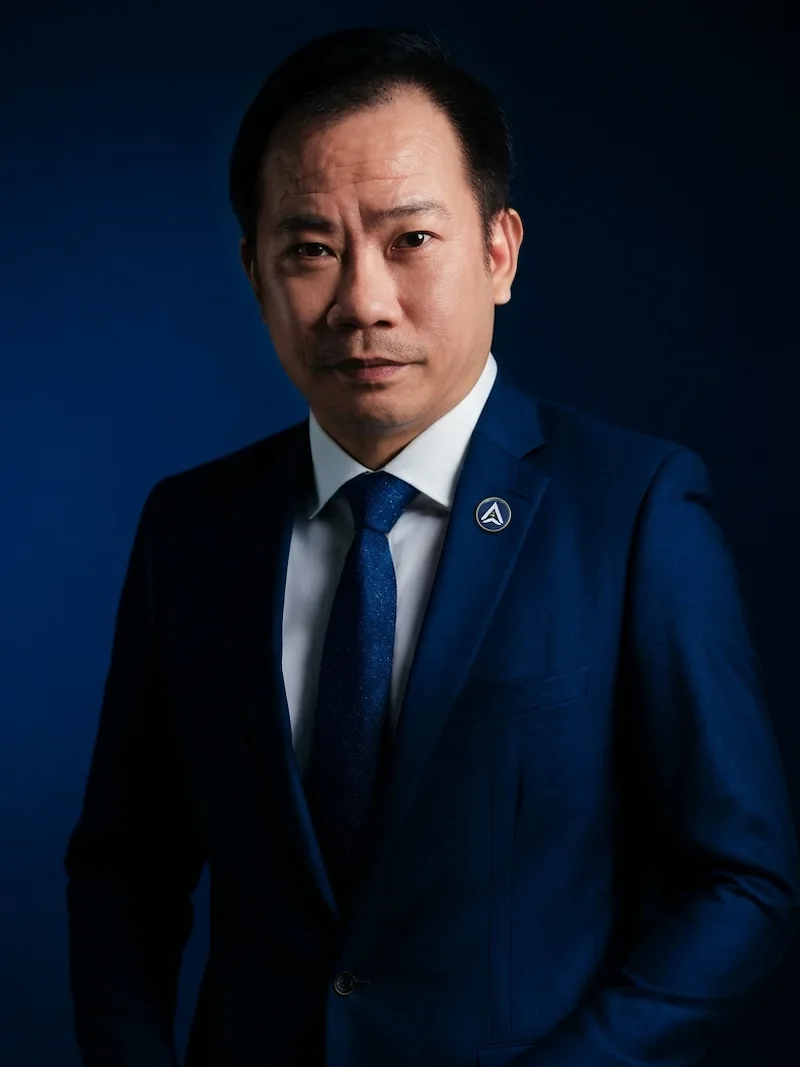
Anthony Nguyen · Founder & CEO, AXANH
A client-first engineering partnership judges its work by what happens on the client’s side: fewer surprises in review, problems raised while they’re still cheap to fix, standards followed, and project knowledge that stays with the team. It doesn’t mean saying yes to everything. It means making the client’s next step easier.
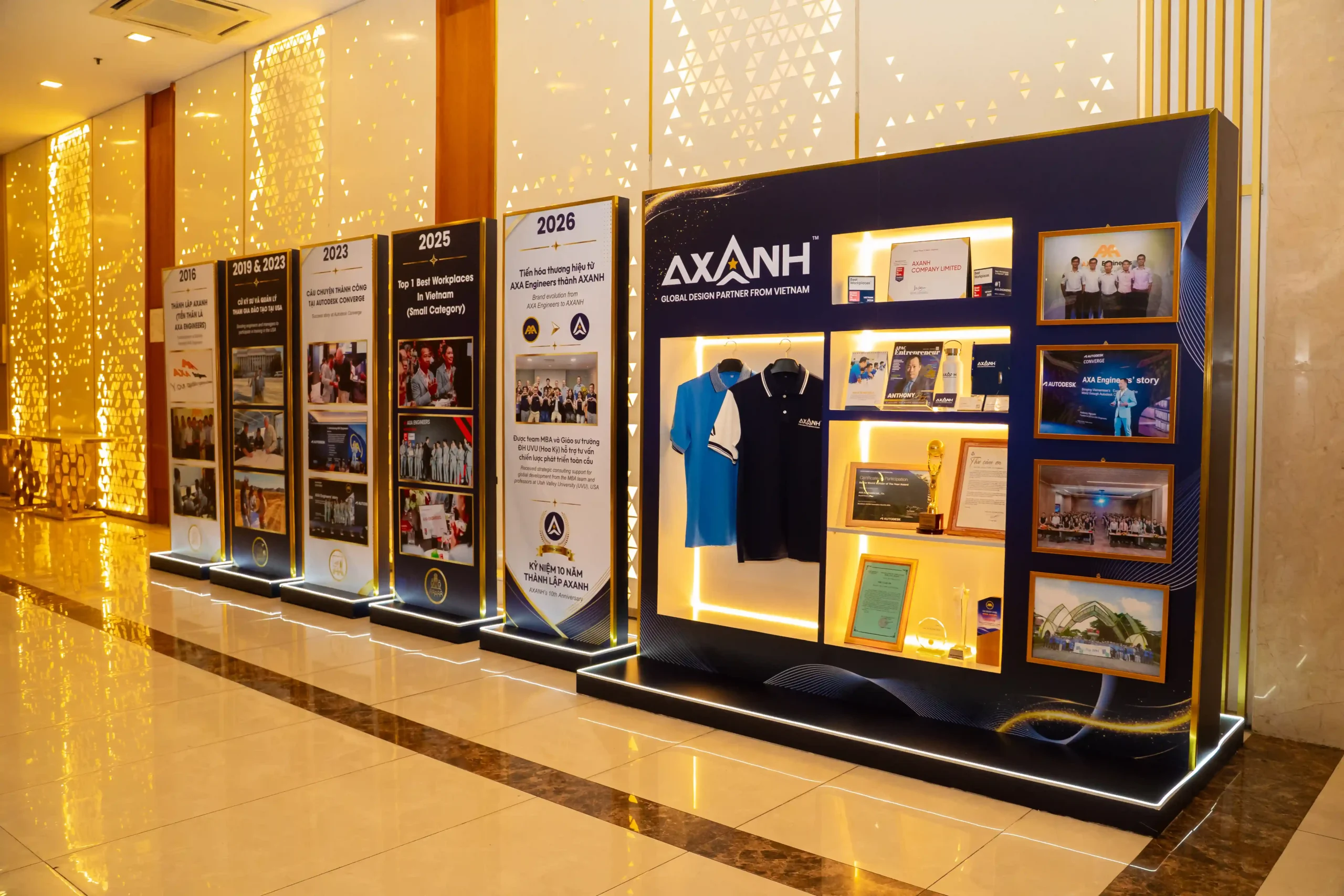
- Engineering heritage since 2016
- Napa, California · 2018
- North Carolina · 2023
- U.S. PE training in Vietnam · 2025
- ISO 9001:2015 certified QMS
- Best Workplaces in Vietnam™ · 2026
01 · Understanding
Understand the Goal Behind the Assignment
A request to update a grading plan can look simple. In practice, the change can ripple into drainage patterns, utility coordination, and other drawings in the same package.
The task in front of you matters. So does what that task means for the project as a whole.
“Update the grading plan.”
One line in an email.
- Drainage patterns and grades
- Utility coordination
- Earthwork and accessible routes
- Other drawings in the same design package
That’s why we ask AXANH engineers to look past the single instruction: learn the design context, ask when a requirement is unclear, and raise coordination issues early.
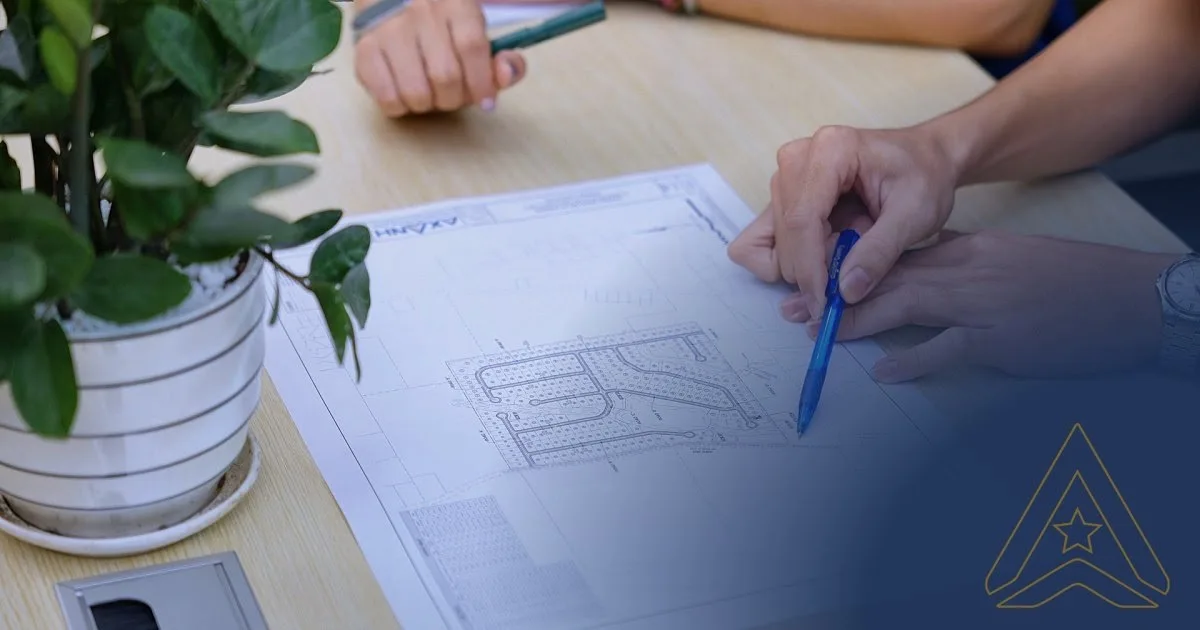
None of this takes over the client’s engineering authority. Design direction, professional approval, and decisions reserved for licensed engineers stay with the right people. Our job is to make their work easier with dependable technical support and the information they need, when they need it.
Knowing the goal also means knowing how the client works. Three experiences shaped what our engineers look for when the next set of comments comes back:
Two of our engineers spent about two months with a client team in California, learning the process behind the drawings.
A program that took the learning from the client’s office out to real job sites.
Eric Hasenoehrl, PE, of Keltic Engineering brought U.S. civil engineering practice straight to our team.
Sometimes the most useful thing we can send a client is one good question, asked before the next drawing change.
02 · Reliability
Earn Trust Through Everyday Reliability
Trust rarely comes from one impressive presentation or one good milestone. It builds through habits that hold when the deadline gets close.
- Learn the client’s standards before production begins.
- Write important decisions down, so nobody has to rebuild the context later.
- Handle revisions with care across every sheet they touch.
- Spot likely delays early, while there’s still time to act.
- Own the fix when something needs to be corrected.
For a team working across borders, these small things carry a lot of weight.
Behind the habits is a system we keep improving: project coordination, knowledge sharing, and engineering quality review. Work goes through three review steps before it leaves the team, and AXANH’s quality management system is ISO 9001:2015 certified (Quality & Review).
Self-Check → Peer Review → Manager Review ISO 9001:2015 QMS
We want working with us to get easier to manage and more dependable every year.
A responsible partner also has to raise the hard questions. When a deadline, a technical issue, or an unclear requirement puts the work at risk, saying so plainly is worth more than reassurance we can’t back up.
Trust between firms grows when people can talk about problems openly and work out a practical fix together.
03 · Technology
Use Technology to Create Better Outcomes
Technology has shaped AXANH’s engineering development for years. Autodesk Civil 3D gives us a model-based environment for civil infrastructure work, and ongoing technical guidance and training from OneCAD Vietnam keep building our team’s hands-on skills. Autodesk told an early part of that story in its own customer story; the longer version is in our Autodesk technology journey.
We see the same opening in automation, engineering knowledge management, and AI. AXANH LAB, which grew out of our long-standing R&D team, builds tools and automation that raise productivity and put more value in clients’ hands.
Still, adding a tool isn’t an achievement. The question we ask is whether it helps engineers:
Cut repetitive work
Fewer manual steps between a decision and the drawing.
Stay consistent
The same standard on every sheet and every revision.
Catch issues earlier
Conflicts surface while they’re still cheap to fix.
Spend time on judgment
More hours for the work that needs an engineer’s call.
When automation or AI helps with a task, a person still checks the result and answers for it (Responsible Technology).
This matters most in civil engineering outsourcing, where a good partnership adds dependable design capacity instead of piling up hours. Done well, technology makes engineers more capable and collaboration smoother, and the benefit carries into the client’s whole design operation.
04 · People
Build People Who Can Keep Growing
Long-term engineering capability can’t rest on a handful of experienced people.
As teams grow, knowledge must travel with them.
At AXANH, we ask engineers to explain the reasoning behind a correction, share what they learned on a project, help newer colleagues, and take on harder work step by step.
Explain the reasoning
Every correction comes with the reason behind it.
Share the lesson
Teams compare notes from their projects every week.
Write it down
Reviewed lessons become SOP guidance, checklists, and handoff notes.
Bring the next engineer along
Experienced colleagues coach newer ones as responsibilities grow.
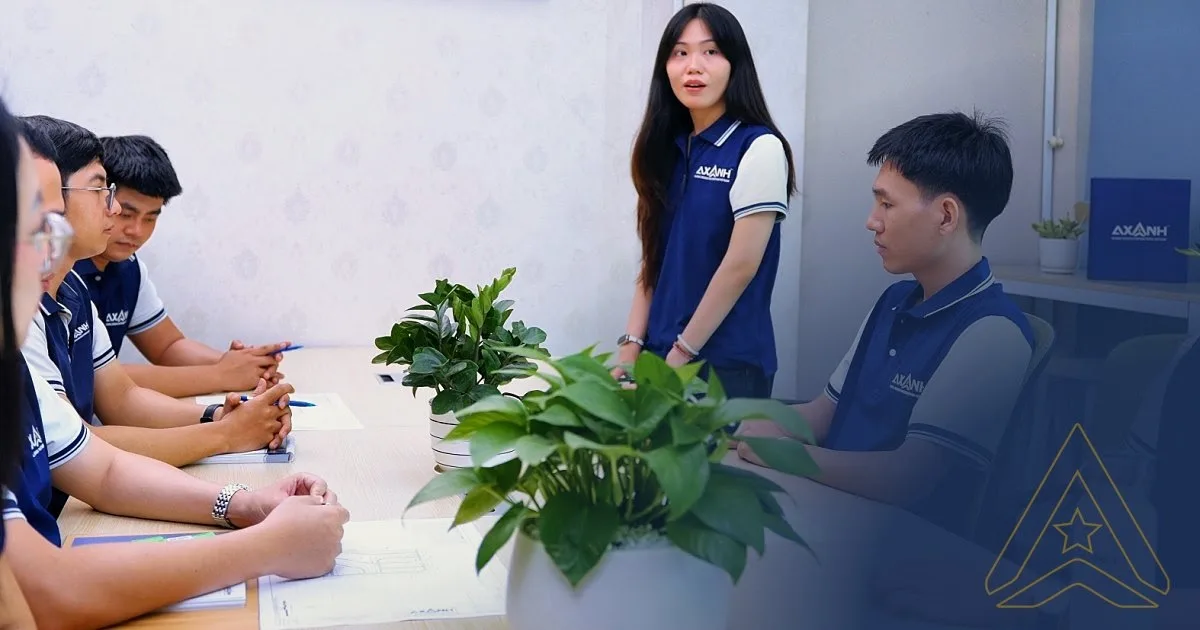
We invest in professional development, technical training, and clearer career paths because an engineer’s value grows with expertise, judgment, and the ability to help others do good work. Our Engineering Center of Excellence ties that daily learning to structured development.
High performance also needs a healthy place to work, where people are respected, supported, and given room to grow (High Performance Through Well-Being). AXANH was named one of the Best Workplaces in Vietnam™ for 2026 in the Small category.
Clients feel the difference. Stronger engineers, shared knowledge, and a stable team give consistent service a better foundation.
Helping our people succeed is part of how we get ready to serve clients better.
05 · Community
Let Success Extend Beyond the Workplace
Helping others grow doesn’t stop when the workday ends.
We look for ways to give back to the communities around us. In Mid-Autumn 2024, our team spent an evening with the children at Mái Ấm Quan Âm, with lanterns, games, and small gifts. Through a three-year collaboration framework with Ho Chi Minh City University of Technology – VNU-HCM, we support scholarships, internships, and practical learning, and we often host students and faculty who want to see real engineering work up close (Academic Engagement).
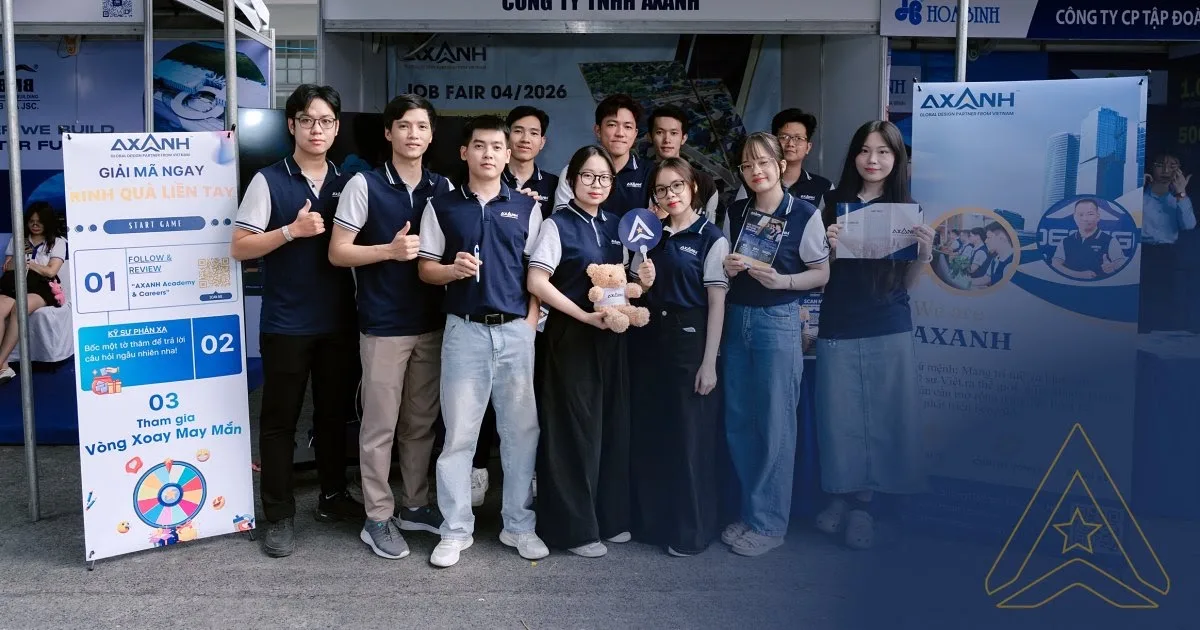
The activities look different, but they share one purpose: give people a chance to learn, connect, and move forward. Knowledge is worth more when it’s shared, and progress means more when it opens doors outside our own walls.
The long view
A Partnership Philosophy for the Long Term
Engineering projects always carry uncertainty. Requirements change, workloads swing, and hard technical questions turn up at the worst possible time. That’s when a client-first mindset gets tested.
| Client-first isn’t | Client-first is |
|---|---|
| Agreeing to every request | Listening carefully |
| Promising every problem can be solved right away | Giving clear, honest feedback |
| Bending standards to keep things smooth | Protecting professional standards |
| Staying quiet because it’s easier | Taking the next responsible step |
At AXANH, we’d like our success measured by what it creates for the people who rely on us: clients who move projects forward with more confidence, engineers who keep getting better, and communities that gain from shared knowledge and opportunity.
When our clients grow stronger, our people grow more capable, and our partnerships deepen, we’re building the kind of success that lasts.
That’s the principle we want in every engineering relationship.
Exploring a long-term design partnership?
Start with the pressure you’re trying to solve. We’d welcome the conversation.
FAQ
Frequently Asked Questions
No. Design direction, sealing, and approval stay with the client’s licensed engineers. A client-first partner supports that responsibility by working inside the client’s standards, checking its own work before handoff, and raising coordination issues early enough to act on.
Watch the first few weeks. Look for questions before production begins, decisions written down, review that happens before handoff instead of after, and risks reported early. Our Partnership Fit page helps you judge how much relationship depth your work actually needs.
The philosophy describes how we behave in every engagement. The Partnership Models describe how the relationship is structured, from defined project scopes to dedicated engineers and integrated design pods.
