








Applied AI · Civil 3D
Picture a grading revision that lands on a Thursday. By Friday, someone has to update dozens of title blocks, re-check label styles on every sheet and rebuild a quantity table by hand. None of it is hard. All of it takes hours.
That kind of work is where our engineers started asking a different question. Instead of only getting faster at the clicks, could they change how the work gets done? This article explains how AXANH approaches Civil 3D automation, what we prioritize, and why we believe the engineer, not the software, should lead it.
Engineering-led Civil 3D automation means the engineers who do the design work also shape the tools that speed it up. AXANH builds its own automation tools around Autodesk Civil 3D and applies AI across its daily work, while every result is checked by an engineer before it reaches a client drawing. The aim is less repetitive work and more time for the decisions that need engineering judgment.
01 · The challenge
Small tasks that repeat across hundreds of sheets
Civil engineering firms are under steady pressure to get more done, keep design quality high and meet schedules that keep getting tighter. Few teams have spare hours, and fewer still can hire their way out of a busy quarter.
Autodesk Civil 3D changed how engineers manage design data, build models and produce documentation. Yet much of the work around the design still runs on manual steps. Each step is small. Repeated across hundreds of drawings and several rounds of revisions, those steps add up to days. The usual suspects look familiar to anyone who has produced a plan set:
- updating title blocks and sheet data after every revision;
- checking layers, styles and labels against documentation standards;
- pulling model data into tables and technical summaries;
- assembling review sets and reports for each submittal.
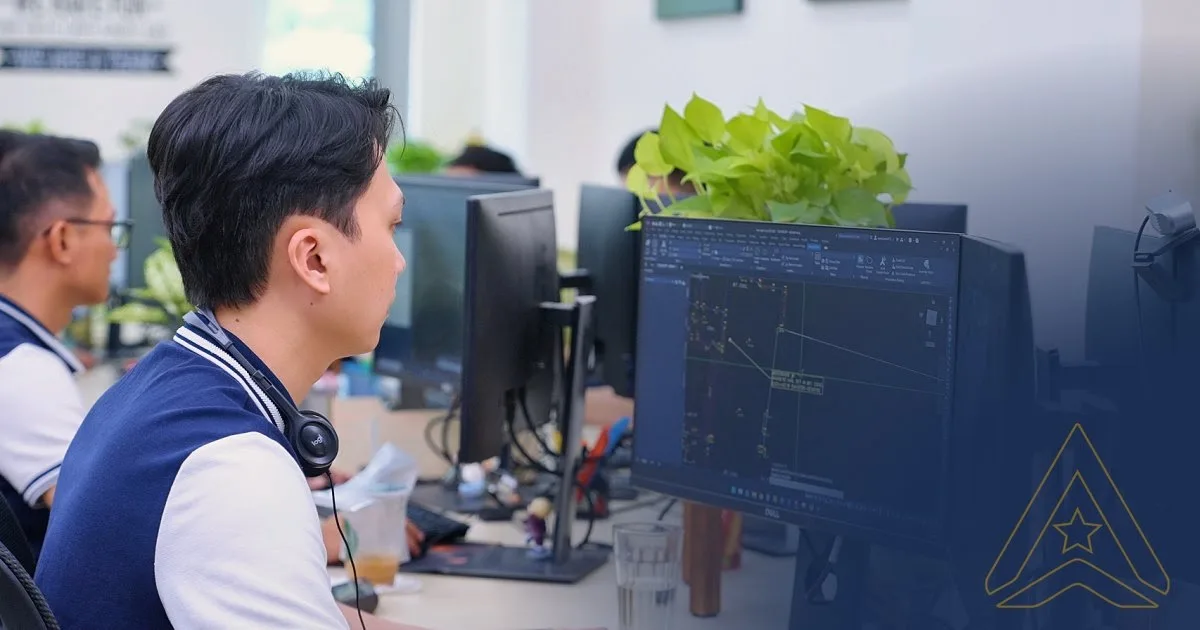
Small edits, repeated across a full plan set, are where the hours quietly go.
The problem gets harder because every engineering firm works differently. Each one has its own standards, templates, documentation rules and habits built over years. A tool that saves time at one firm can miss the point entirely at the next.
Through years of Civil 3D design support on international infrastructure projects, we’ve learned that better productivity takes more than knowing every built-in command. It also takes a better way of doing the work itself.
What if the engineers who understand a problem best could build the tools that solve it?
That question now shapes how AXANH approaches engineering automation and AI.
02 · Priorities
Four priorities behind our automation work
We keep our automation work tied to real engineering workflows. Four priorities guide every idea before it becomes a tool.
Give engineers more time for engineering
The first goal is simple: fewer repetitive manual steps. When engineers spend less time on routine edits, they have more hours for technical analysis, problem-solving, quality review and the calls that need professional judgment.
Work inside Autodesk Civil 3D
Our tools live inside the software engineers already use every day. Nobody has to learn a separate system or move data back and forth to benefit from them.
Fit each client’s way of working
Every firm has its own design standards, data structures and documentation requirements. Automation has to respect those, so we shape it around the client’s workflow, never the other way around.
Use AI with care
AI is now part of how our teams work. It speeds up research and everyday tasks, while testing, quality checks and human accountability stay firmly in place.
Together, these priorities move our role from helping produce design drawings to helping clients improve the workflows behind them.
03 · The approach
An engineering-led approach to automation
Our approach brings together three things: practical civil engineering knowledge, Autodesk technology and our own automation tools, with AI applied across everyday work. The order matters. Engineering knowledge comes first, because a tool built without it tends to automate the wrong step.
Civil 3D sits at the center of our infrastructure design work. Around it, AXANH engineers develop tools that run within the design environment, so selected repetitive tasks become a single, repeatable step that anyone on the team can run the same way.
The engineers who use these tools every day are also the ones who shape them. They know which steps repeat, which rules sit behind them and where a shortcut could put quality at risk. That knowledge is hard to buy and slow to copy, and it is what makes the tools useful on real projects.
We’re extending this approach to individual clients. Typical candidates include drawing production, CAD standards checks, model data extraction, technical reporting and linking repeated steps in a workflow. Each idea starts with understanding the client’s requirements and taking an honest look at whether automation is feasible and worth it.
Every tool is tested before it enters a production workflow. We pay close attention to software compatibility, data integrity, version control and the quality review of automated results, especially when a function can change engineering information or design documents. A tool that works well in one Civil 3D release gets checked again in the next.
Along the way, our relationship with OneCAD Vietnam keeps helping, through technical support, guidance, technology updates and shared know-how on Autodesk solutions (our Autodesk technology journey).
The goal is a short list of practical tools that help engineers and their clients work better every week.
04 · The outcome
What changes for engineers and clients
Pairing engineering knowledge with tool-building gives AXANH new ways to improve how our teams work and how we support international clients.
Our engineers are moving past using established software functions. They now spot workflow problems and help build the tools that fix them. The result is less manual effort, more consistent sheets and more attention left for the work that needs technical judgment.
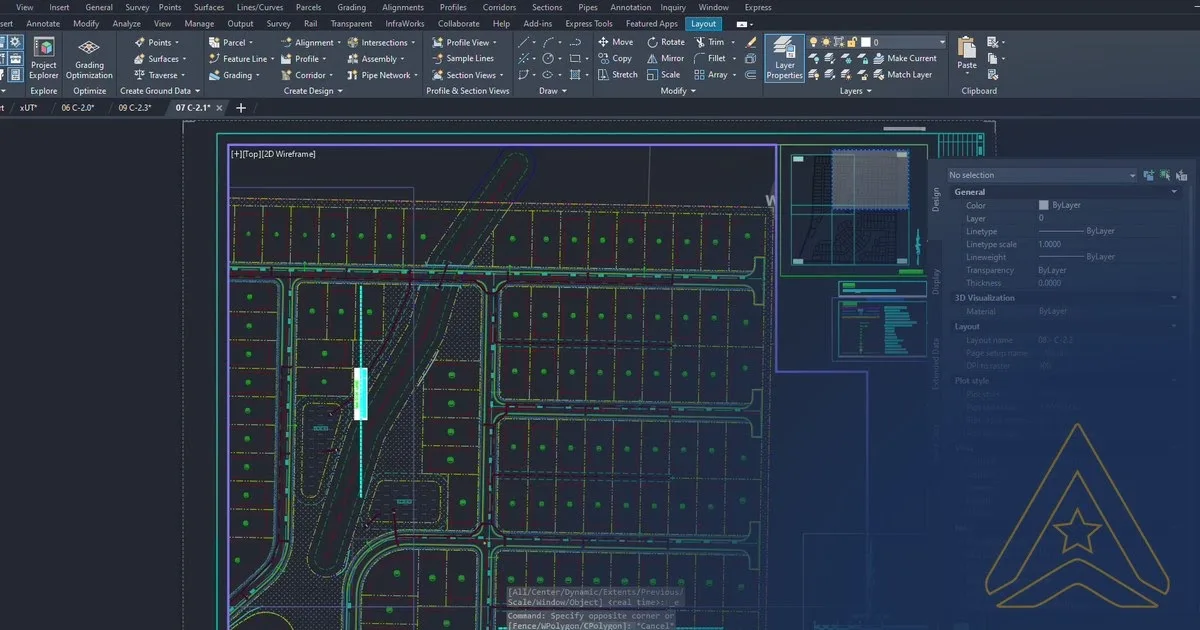
Plan sheet production is one of the places where repeatable steps add up fastest.
Building tools around our own engineering problems also gives us a footing to explore custom automation with clients. Extra design capacity still matters. Many firms also want help with documentation workflows, data handling, quality checks and getting more from the engineers they already have.
A collaboration on automation usually moves through four stages:
- Workflow assessment. We look at where the hours go in the client’s Civil 3D process and which steps follow clear rules.
- Controlled pilot. One tool, one workflow, real drawings, with results checked side by side against the manual way.
- Custom automation development. Tools built around the client’s standards, templates and data structures, then tested before production use.
- Ongoing improvement. Tools are updated as standards, projects and Civil 3D versions change.
For us, an automation tool proves its value in daily use. We look at processing time, consistency, quality, how widely the team adopts it, and the improvements a client can see and verify for themselves.
Engineering automation is measured by the value those tools create for engineers and the clients they serve. Lines of code and ribbon buttons don’t count.
05 · People first
Lasting progress starts with engineers
Technology, automation and AI will keep reshaping civil infrastructure design. We believe the progress that lasts starts with people: engineers who bring technical knowledge, dedication, curiosity and a habit of improving their work a little every week.

Know-how spreads fastest when experienced engineers coach the next ones.
When an engineer who knows design can also improve the tools behind it, the gains spread. Their own work gets faster, and so does the work of their colleagues and clients.
Autodesk Civil 3D gives that journey a solid technical base, and AI opens new ways to learn and work. The engineer is still the one who picks the problem worth solving and takes responsibility for the quality of the result (our view on responsible AI in engineering).
Much of this work happens in AXANH LAB, which grew out of our long-running R&D team. It researches tools and automation that help engineers get more done and give clients more value.
It’s a natural next step toward our goal of becoming a Global Design Partner from Vietnam. Guided by our philosophy, Help Our Clients Succeed First, we keep building our capabilities and working with clients toward smarter, more efficient and more sustainable engineering workflows.
More drawings in less time is part of it. The bigger goal is giving engineers room to think, try new ideas and create real value for the people who depend on their work.
We Design Beyond Borders
Is a Civil 3D bottleneck slowing your team down?
Tell us where the hours go. We’ll talk through whether automation, clearer standards or extra design support is the right fit.
At a glance
Project summary
| Status | Engineering automation and tool development, ongoing |
|---|---|
| Autodesk solutions | Civil 3D; Architecture, Engineering & Construction Collection |
| Work involved | Workflow improvement, custom tool development, engineering automation |
| Industries | Civil engineering, infrastructure design, land development |
FAQ
Questions about Civil 3D automation
What kinds of Civil 3D tasks are worth automating?
Tasks that follow clear rules and repeat often: updating sheet and title block data, checking layers, styles and labels against standards, pulling quantities and model data into tables, and assembling review sets. Design decisions that depend on engineering judgment stay with engineers.
How does AXANH use AI in this work?
AI supports our teams across everyday work and helps them move faster. Engineers stay responsible: they decide what a tool must do and check every result before it reaches a client drawing.
Can AXANH build automation around our own CAD standards?
That’s the direction we’re developing with clients. It starts with understanding your standards and workflow, checking whether automation is feasible and worth it, and usually a small controlled pilot before wider use.
Will our team have to leave Civil 3D to use these tools?
No. The tools work within Civil 3D, so engineers stay in the software they already use.
