

Partnership Models
Partnership Fit
Strategic Partnerships
Why AXANH
Discuss Your Needs



Why AXANH
Choosing an Engineering Partner Comes Down to What You Can Depend On
If your firm is considering external engineering capacity, you already know there are many capable providers. The harder question appears after the first project: Will the team retain your context, keep developing its capability, make quality controls visible, and become easier to work with as the relationship grows?
AXANH is a global design partner from Vietnam, building a connected operating system around stable people, engineering-led leadership, assessed capability, direct market learning, responsible technology and review, future talent development, strategic discipline, and partnership models matched to client readiness.
More capacity should give your business more confidence—not more complexity to manage.
The AXANH Difference
Eight Parts of One System Built for Dependability
No single award, training program, software platform, or individual proves that a partnership will work. The stronger question is whether the pieces reinforce one another over time.
01
Stable People
A working environment that supports continuity gives client standards, terminology, decisions, and relationship context more opportunity to remain with the team.
02
Engineering-Led Leadership
Leadership should set direction and develop judgment throughout the organization rather than make every important decision dependent on one person.
03
Assessed Capability
Capability becomes more credible when learning, recurring assessment, review, mentoring, and knowledge transfer are part of the system behind individual talent.
04
Client-Context Learning
Direct learning in the client market helps reduce the contextual distance between the engineering team in Vietnam and the environment in which clients make decisions.
05
Responsible Technology & Review
Licensed tools, purposeful access, layered review, and human accountability make the production environment easier for a serious client to examine.
06
Future Talent Development
AXANH works on engineering capability before demand becomes urgent, connecting learning, academic engagement, and professional practice over a longer horizon.
07
Strategic Rigor
Important growth decisions benefit from research, external perspective, and informed challenge before assumptions become long-term commitments.
08
Partnership Maturity
The relationship structure should match workload, continuity needs, ownership, governance, and readiness—not force every client into the same staffing model.
AXANH is not asking clients to trust a list of adjectives. We want the operating system behind the relationship to be visible enough to examine.
Capability Integrity
Capability Should Compound, Not Reset With Every Assignment
Additional engineering hours are relatively easy to buy. Dependable capability is harder to build because it has to survive changes in project, person, workload, and responsibility.
AXANH works to turn appropriate project learning into stronger organizational capability. That begins with understanding context, keeping review close to the work, capturing useful lessons, and returning approved knowledge to future work in a form others can use.
The boundary matters. A general lesson may strengthen broader practice. A client standard, template, jurisdictional requirement, confidential detail, or project-specific decision may belong only within the context where it was learned.
The goal is not to standardize everything. It is to help useful knowledge travel without losing its source, scope, or meaning.
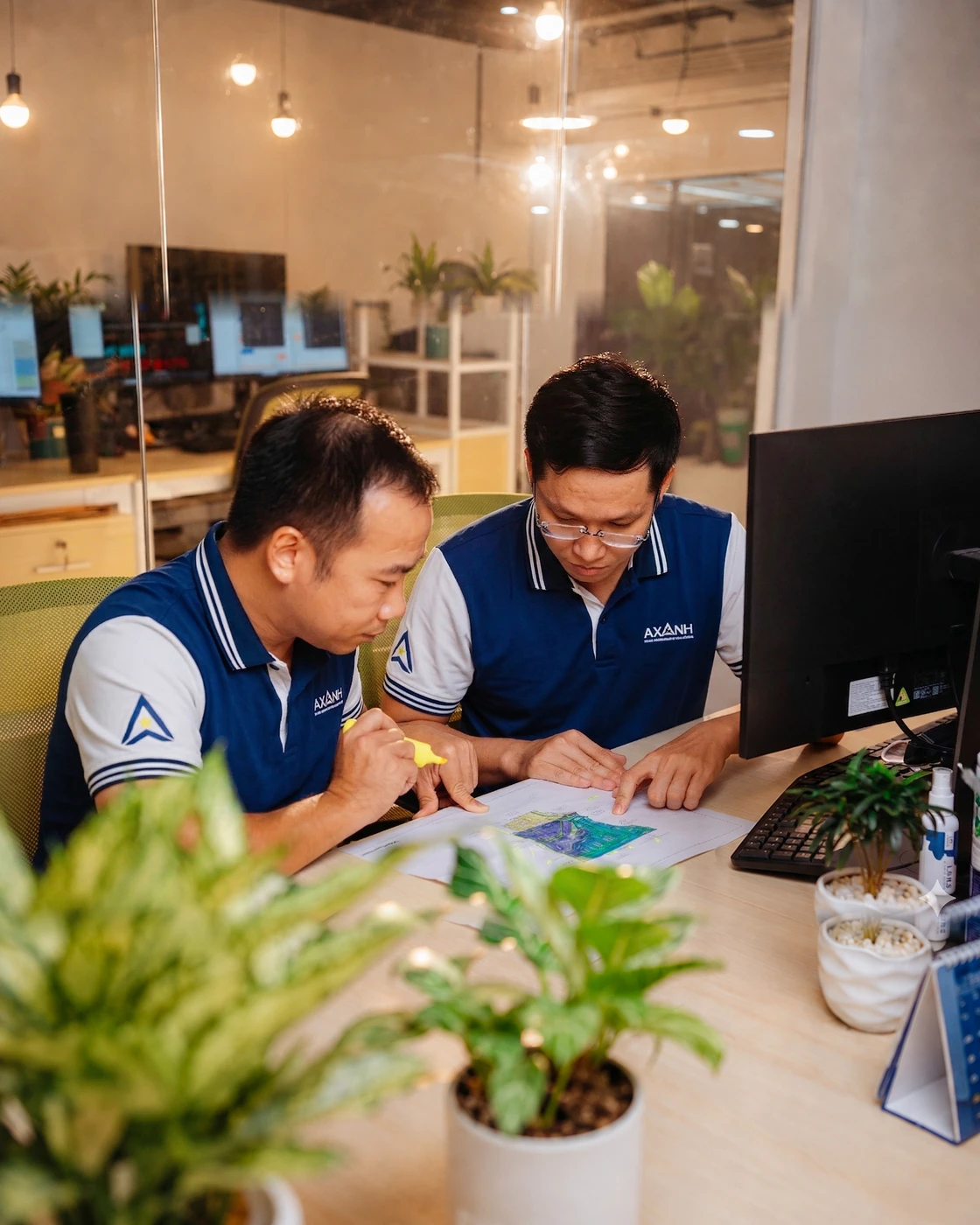
Understand the context
Clarify the objective, source of truth, standards, responsibilities, and open questions before assumptions harden into production.
Review close to the work
Self-Check, Peer Review, and Manager Review keep appropriate quality responsibility near where the work is produced.
Capture the useful lesson
Recurring issues, clarified assumptions, and reviewed working decisions can become guidance, checklists, review points, or practice knowledge where appropriate.
Reinvest with boundaries
Approved learning can strengthen future work while client-specific and jurisdiction-specific knowledge remains controlled within the scope where it belongs.
ASSESSED CAPABILITY
Civil 3D Capability Is Revisited Every Year
AXANH works with OneCAD, an Autodesk Authorized Training Center, to bring the Civil 3D Completion assessment cycle directly into our workplace each year. Eligible civil engineers enter the cycle after at least 12 months of tenure; successful completion is recognized, while engineers who need further preparation receive support and are reassessed.
AXANH’s standard is annual eligible-cohort completion—not a claim that everyone passes on the first attempt.
Organizational Learning
A Home for Capability That Carries Forward
The AXANH Engineering Center of Excellence connects people development, practical engineering knowledge, standards work, and academic collaboration so useful learning can move beyond the person who first gained it.
Closing the Context Gap
Three Learning Moments. One Long-Term Principle.
Distributed engineering becomes more useful when the team understands more of the professional environment around the drawing. AXANH has invested in direct learning that brings engineers closer to client process, real project conditions, and the reasoning behind technical decisions.
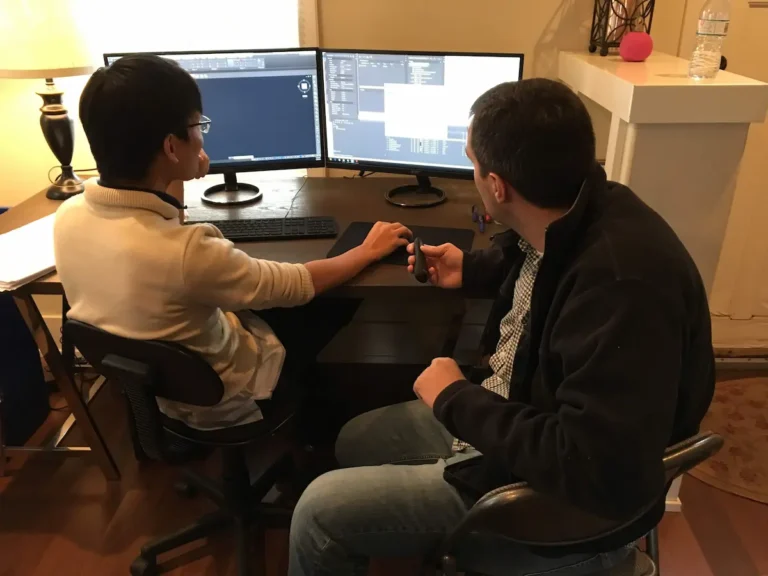
2018 · Napa, California
Learn Inside the Client Process
During the AXA Engineers chapter, two engineers spent approximately two months learning inside a U.S. client’s working environment. The program covered project process, plan production, drainage, subdivision work, quantities, templates, drafting practices, and teamwork.
The learning continued after they returned to Vietnam through reports and internal training.
Direct exposure became more valuable when the knowledge traveled beyond the two people who experienced it.
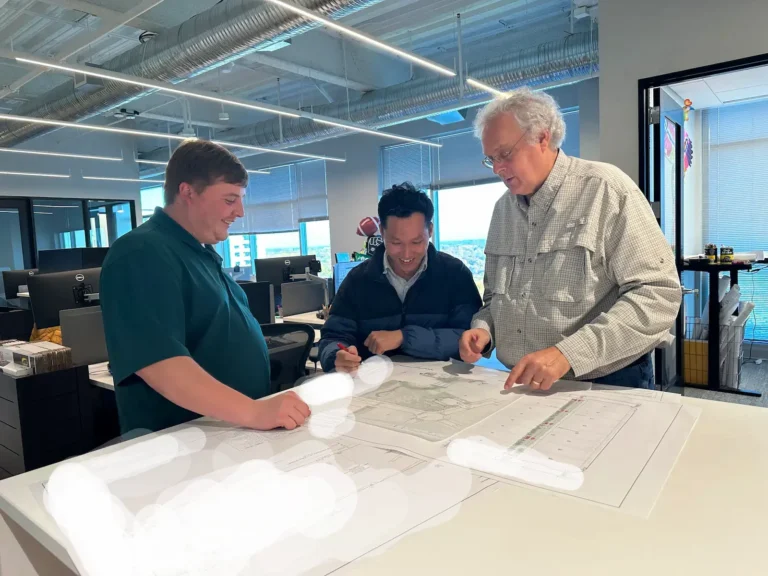
2023 · North Carolina
Connect the Drawing With the Real Site
Anthony Nguyen and a manager from AXA Engineers connected project meetings and client-office learning with visits to project sites the Vietnam team had helped support.
Contours, road grades, drainage systems, ponds, retaining conditions, and other design information could be reconsidered against physical space and construction conditions.
Seeing the work in context gives engineers more reference points for asking useful questions while design decisions are still being made.
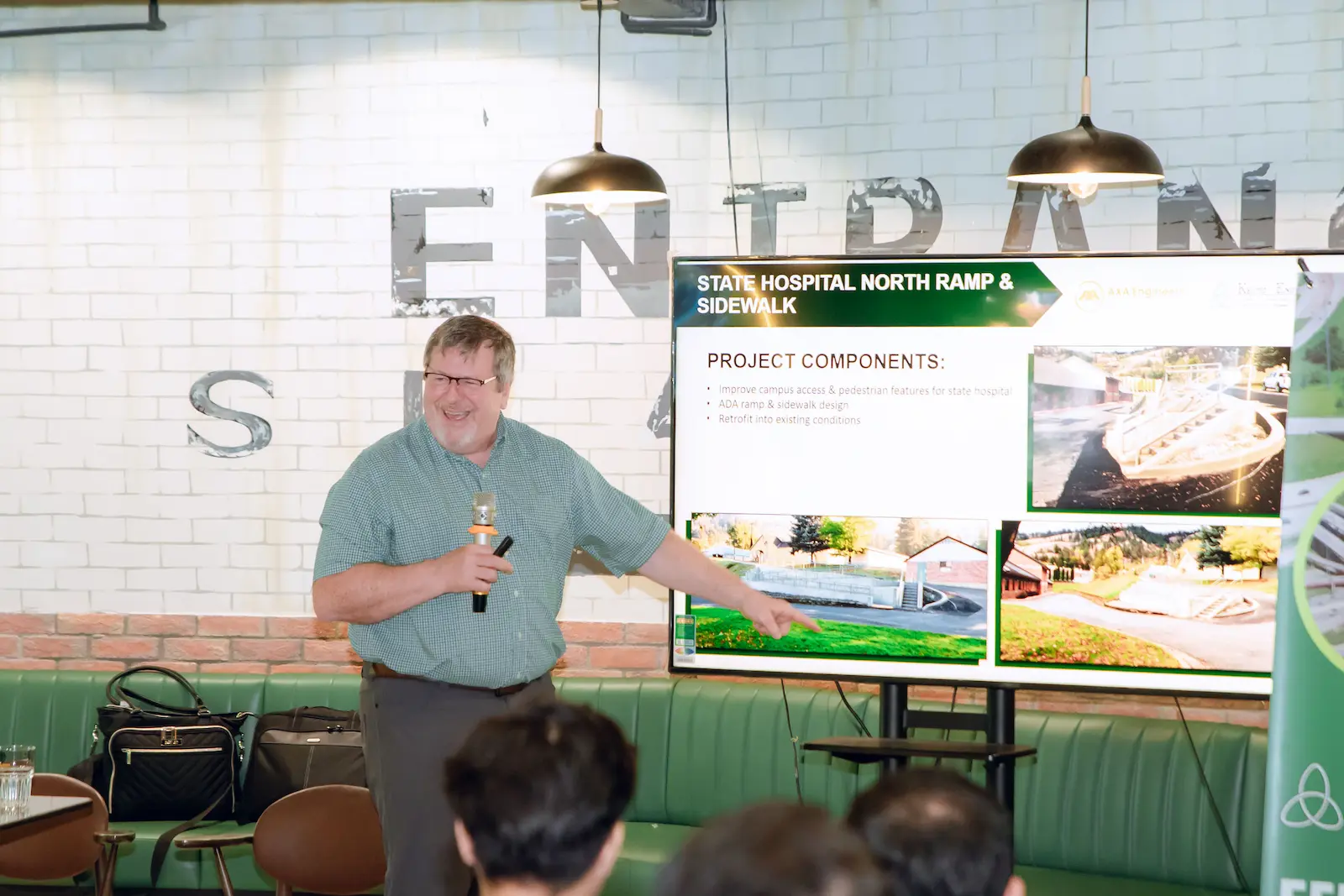
2025 · U.S. PE Training in Vietnam
Bring Professional Context to the Wider Team
Eric Hasenoehrl, PE, of Keltic Engineering worked directly with the engineering team in Vietnam on practical civil topics including grading, storm drainage, erosion control, and water and sewer design.
The value was not simply a training session. Engineers could ask questions while the reasoning was still part of the conversation.
Market learning can move in both directions: people can go closer to the client environment, and client-side professional context can come closer to the team in Vietnam.
The differentiator is not travel. It is what happens to useful learning after the visit, meeting, site walk, or training session ends.
Leadership Integrity
Leadership Should Make the Organization Stronger Around It
A founder can establish direction, standards, and relationships. A dependable engineering partner still has to become capable of carrying responsibility when the founder is not personally involved in every decision.
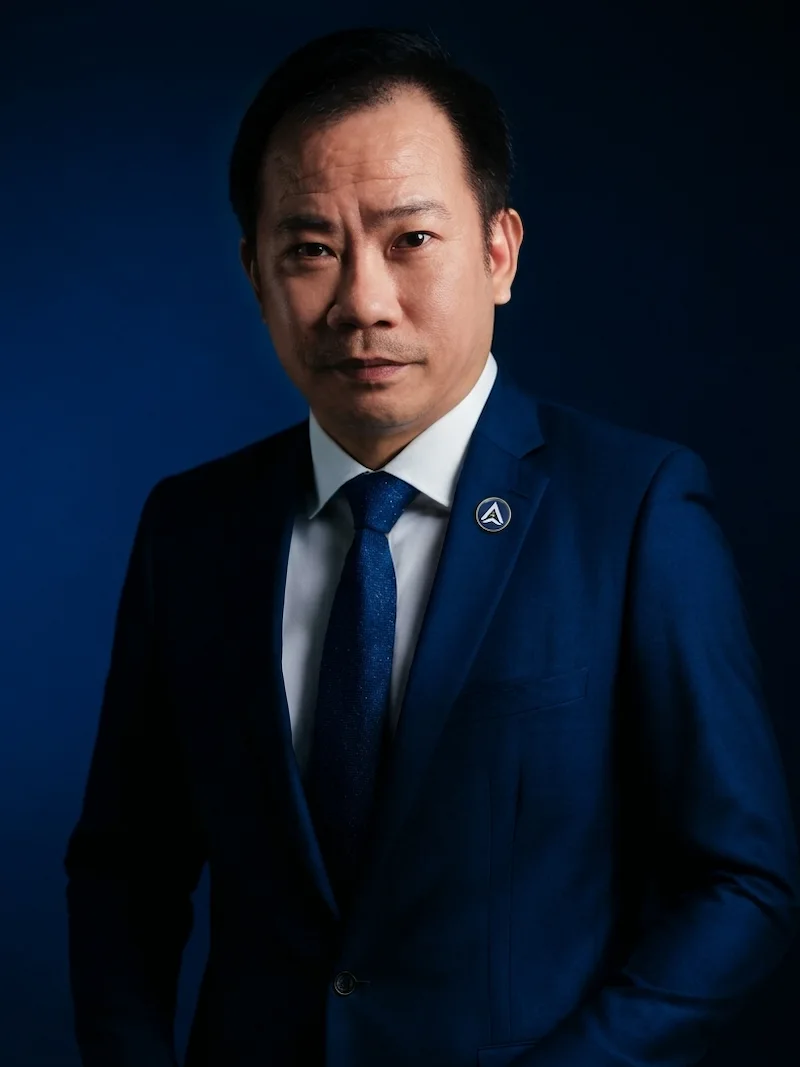
Founder & CEO Anthony Nguyen built his career from bridge and road engineering, graduate study in project management, published research, teaching, and more than eight years working inside a U.S.-company environment before building the engineering heritage that became AXANH.
That history matters because it connects engineering, business, and the client environment. The more important leadership test, however, is what it leaves behind: clearer responsibility, stronger judgment, more capable people, and systems that help the organization operate beyond one individual.
Leadership sets the direction. Systems and people have to carry the capability.
What Leadership Has to Build
Engineering understanding
Enough technical foundation to respect the realities behind the work and the professional responsibility carried by engineering teams.
Enough technical foundation to respect the realities behind the work and the professional responsibility carried by engineering teams.
Client-world context
Enough exposure to understand that cross-border work is not only a production question; it is also a communication, standards, and operating-model question.
Enough exposure to understand that cross-border work is not only a production question; it is also a communication, standards, and operating-model question.
Judgment beyond the founder
Develop people who can make sound decisions, raise concerns, review work, and carry meaningful responsibility at the appropriate level.
Develop people who can make sound decisions, raise concerns, review work, and carry meaningful responsibility at the appropriate level.
Systems that outlast one decision
Turn useful leadership judgment into clearer roles, review expectations, learning systems, and repeatable operating discipline.
Turn useful leadership judgment into clearer roles, review expectations, learning systems, and repeatable operating discipline.
People Continuity
Client Context Becomes More Valuable When People Can Carry It Forward
Every engineering firm develops its own standards, terminology, templates, review habits, communication patterns, and decision history. Rebuilding that context repeatedly creates friction that is easy to underestimate when comparing providers on rate or headcount alone.
Workplace recognition belongs in the people-continuity discussion. Its value here is as an independent signal about the environment in which continuity, knowledge sharing, and long-term development have to occur.
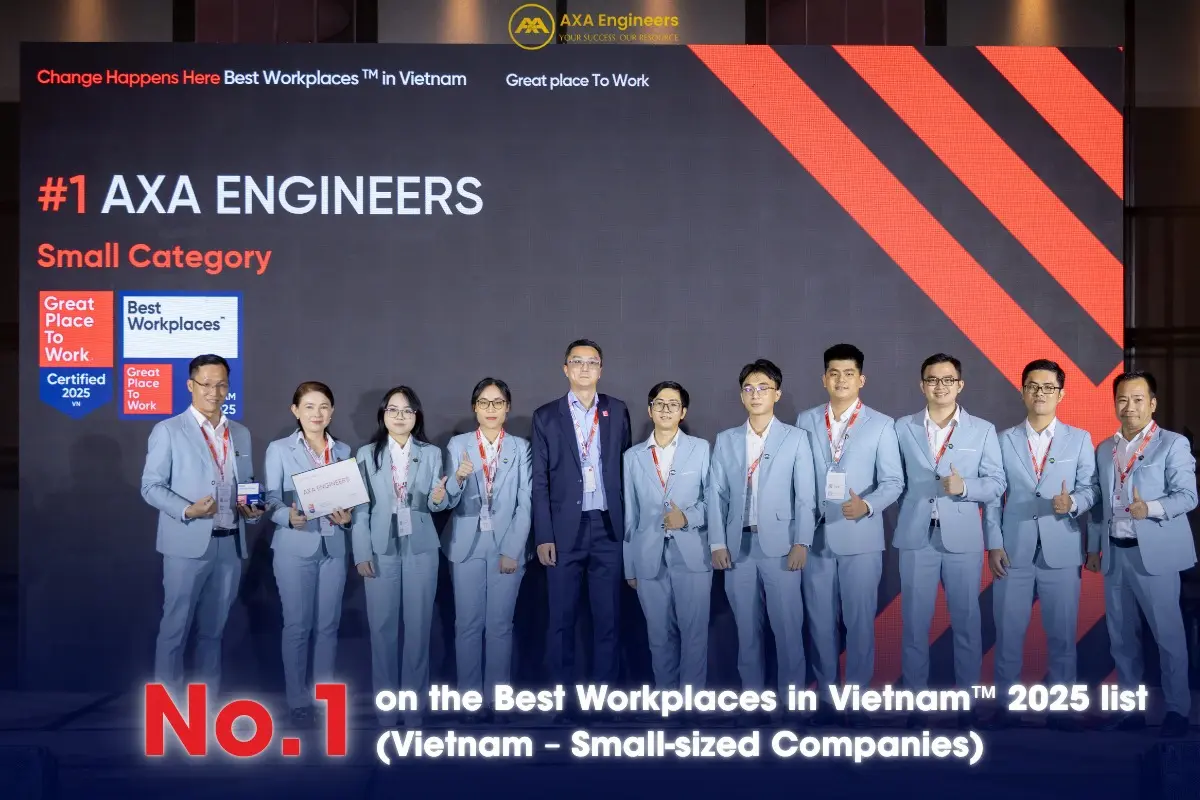
2025 · AXA Engineers
#1 Small Category
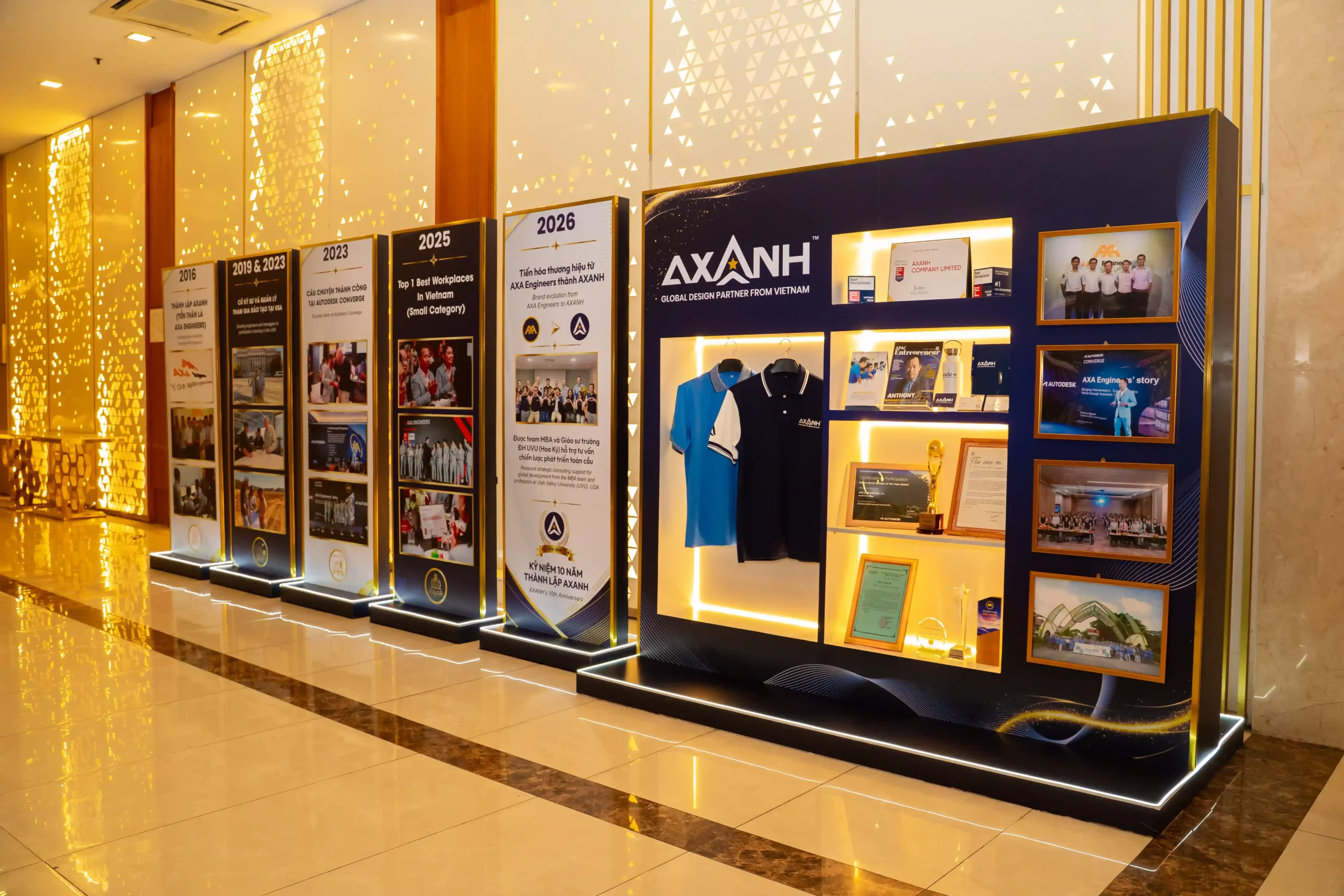
Great Place To Work® ranked AXA Engineers #1 in the Small Category on the Best Workplaces in Vietnam™ 2025 list. Historical attribution is retained because AXA Engineers was the company name used at the time.
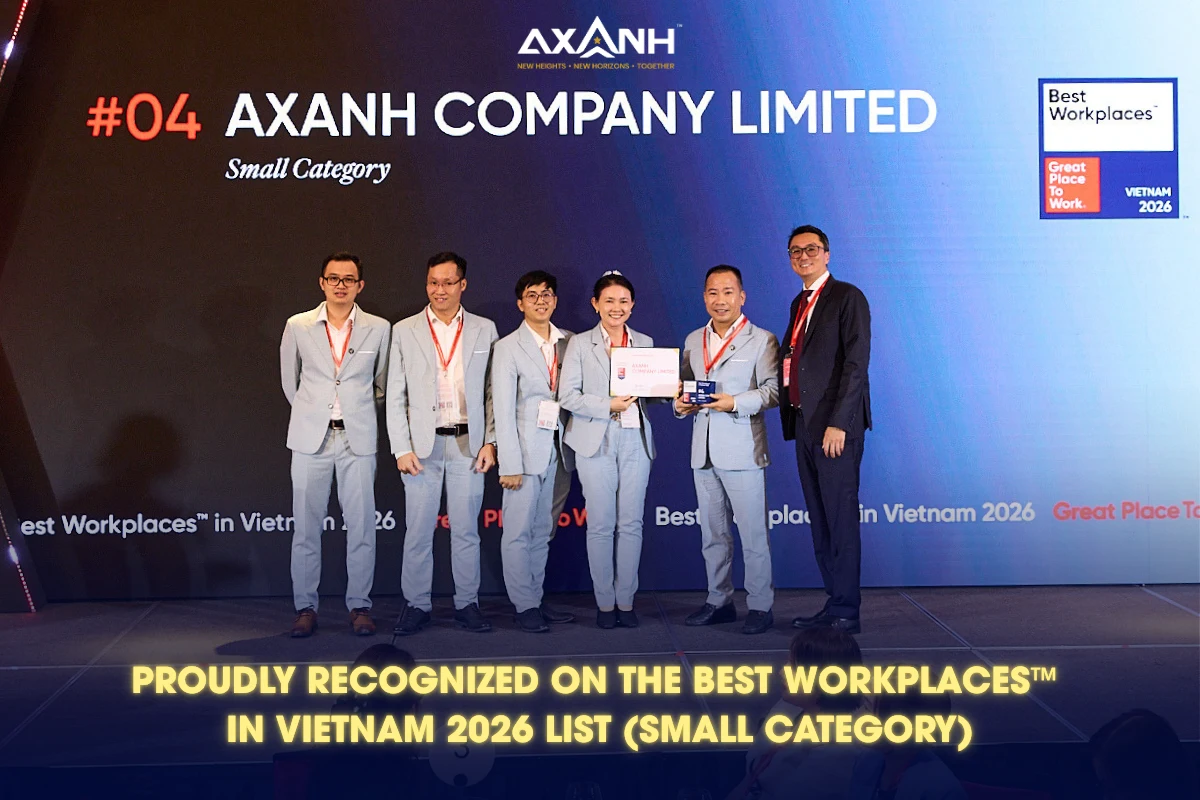
2026 · AXANH Company Limited
#4 Small Category
Great Place To Work® listed AXANH at #4 in the Small Category on the Best Workplaces™ in Vietnam 2026, extending workplace recognition into the AXANH chapter following the 2025 AXA Engineers recognition.
What It Means for a Client
Continuity Is the Relevant Signal
Two consecutive years of recognition across the transition from AXA Engineers to AXANH provide a people-experience signal. The client value is not the award itself; it is the possibility for working knowledge and relationships to keep accumulating rather than repeatedly restarting.
Workplace evidence supports the continuity story. Project quality still depends on the actual scope, team, workflow, review, and controls applied to the engagement.
Trust You Can Examine
Working Across Borders Should Not Require Blind Trust
Before project files, standards, or system access cross borders, a client should be able to ask who can access information, how work is reviewed, whether the technology environment is legitimate, and who remains accountable when professional judgment is required.
AXANH works to make those responsibilities visible from the beginning. Trust is more useful when it can be examined through operating controls rather than accepted as a sales promise.
What a Client Can Examine
Information & Access
NDA readiness and project-specific access controls help align access with the actual scope of work.
NDA readiness and project-specific access controls help align access with the actual scope of work.
Review Responsibility
Self-Check, Peer Review, and Manager Review keep appropriate controls close to where the work is produced.
Self-Check, Peer Review, and Manager Review keep appropriate controls close to where the work is produced.
Software Integrity
Commercial delivery uses genuine, legally licensed, and appropriately authorized software with controls around assignment and continuity.
Commercial delivery uses genuine, legally licensed, and appropriately authorized software with controls around assignment and continuity.
Human Accountability
Technology can assist the work; judgment and responsibility remain with the appropriate people and roles.
Technology can assist the work; judgment and responsibility remain with the appropriate people and roles.
Independent Technology Evidence
A Civil 3D Transformation Story Autodesk Chose to Publish
Autodesk published a success story on the AXA Engineers Civil 3D transformation journey and invited the team to share that journey at Autodesk Converge 2023.
The meaningful signal is not an Autodesk logo on a website. It is that Autodesk chose to document and share part of the technology journey publicly.
Talent Continuity
Future Capability Starts Before the Next Vacancy Appears
When engineering demand becomes urgent, recruitment can add people. It cannot instantly create professional context, stronger working habits, or a mature understanding of international project expectations.
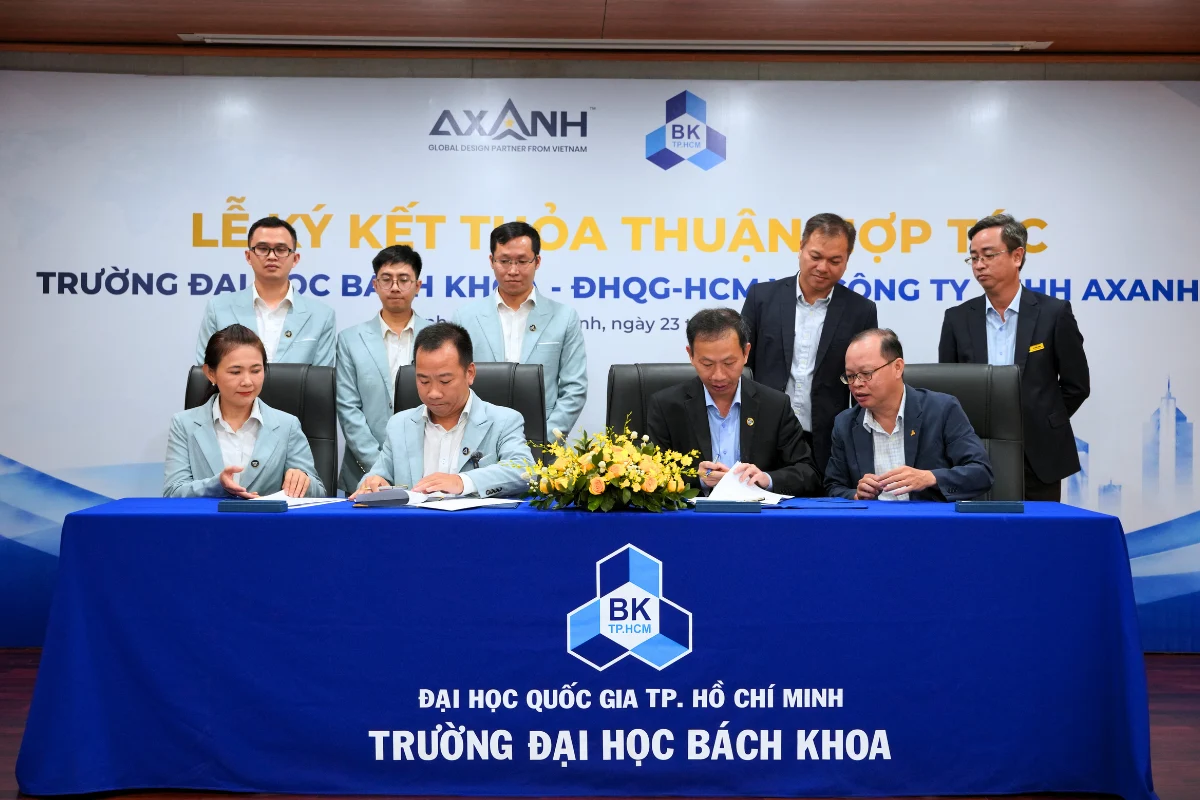
AXANH therefore treats future talent development as part of long-term capability building. The three-year collaboration framework with Ho Chi Minh City University of Technology – VNU-HCM connects scholarships, practical learning, internships, graduation projects, career orientation, technical exchange, and engineering talent development.
In 2026, AXANH completed VND 50 million in scholarship sponsorship within that documented framework. The significance is not the number alone; it is that one part of the collaboration moved from agreement into implementation.
Capacity is cultivated over time—not only recruited when demand spikes.
Strategic Rigor
Growth Should Be Challenged Before It Is Accelerated
A company that wants to become a more important part of a client’s delivery system has to think about more than headcount. Leadership depth, quality capacity, operating discipline, partnership structure, and the ability to protect the foundations behind delivery all have to grow with the business.
From January to May 2026, AXANH worked with a Utah Valley University MBA strategic consulting team, with academic guidance from Professor Don Capener, Ph.D., Dean of Continuing Education at Utah Valley University, to examine AXANH’s three-to-five-year growth direction and organizational readiness.
The engagement considered premium-partner positioning, structured partnerships, phased international growth, and the organizational conditions needed to protect the people and operating foundations behind dependable delivery.
The objective was not external approval. It was external challenge before important assumptions became commitments.
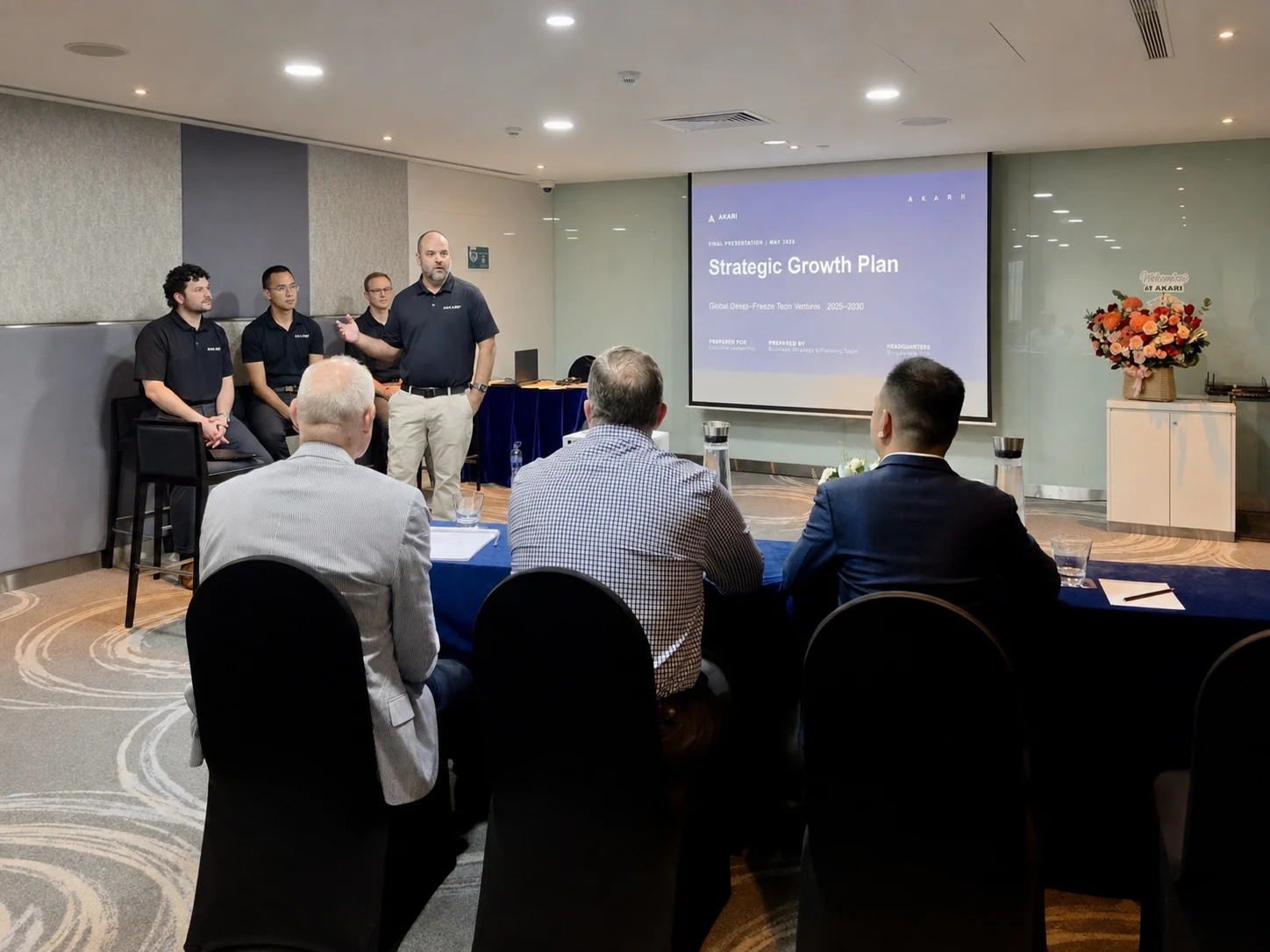
The 2026 UVU MBA engagement added an external research and challenge layer to questions about AXANH’s next stage of growth.
Partnership Maturity
The Deepest Partnership Model Is Not Always the Right Place to Start
A defined project, recurring design workload, and a long-term team requirement are different operating problems. Treating them as the same staffing decision can create commitment before either organization has enough evidence of fit.
AXANH structures client relationships through three broad pathways. They are not premium tiers. Each organizes flexibility, continuity, resource certainty, responsibility, and relationship depth differently.
01 · Project Support
Start With a Defined Need
Useful for defined workloads, project packages, or periods where additional delivery capacity is needed without creating a more permanent operating structure.
Relationship character: defined scope · flexible capacity · lighter continuity.
02 · Structured Design Capacity
Carry More Context Forward
Relevant when recurring work makes standards familiarity, working knowledge, and a more stable team increasingly valuable to the client.
Relationship character: recurring work · more stable team · accumulated context.
03 · Long-Term Global Team Building
Build for Greater Continuity
Appropriate to discuss when long-term ownership, stronger resource certainty, and a durable Vietnam-based team direction matter—and both sides can support the governance and commitment required.
Relationship character: deeper ownership · stronger continuity · long-term team direction.
The useful question is not which model is highest. It is what kind of relationship the work actually needs now—and what the work and operating context may justify later.
Client Voices
What Matters Most Is What Clients Were Able to Do Next
A company story matters only when it reaches the client’s work. These public client voices were recorded during the AXA Engineers period and retain their historical attribution. The useful question is not how much praise was offered, but what the relationship helped those firms do.
Client testimonials were recorded during the AXA Engineers period. Historical brand attribution is retained for accuracy.
What to Listen For
Not the Praise. The Client Outcome.
The most useful themes in these comments are business focus, continuity during staffing change, technical usefulness, responsiveness, and the ability of an external engineering team to become a productive part of how the client works.
The relationship creates value when additional capability gives the client’s own team more room to move forward.
Lovas Engineering
More Room to Grow the Business
Chris Lovas described how delegating drafting and design work to AXA Engineers gave him more room to focus on winning work, new projects, and building the business.
Henderson Professional Engineers
Continuity Through a Staffing Transition
Jen Henderson described AXA Engineers as the additional capacity HPE needed during a staffing transition, when project work still had to move while the firm managed internal change.
Keltic Engineering
An External Team That Felt Part of the Team
Eric Hasenoehrl highlighted consistency, professionalism, Civil 3D capability, and communication, describing AXA Engineers as an important part of the Keltic Engineering team.
What AXANH Deliberately Refuses to Optimize
The Trade-Offs Required to Protect the System
The operating system described above only remains credible if some trade-offs are explicit. These choices shape how AXANH thinks about economics, capability, learning, leadership, and evidence over a long-term client relationship.
01
Not the Lowest Rate at the Expense of Total Value
Price matters. So do continuity, rework, repeated onboarding, client-side supervision, and avoidable operating risk. A low hourly rate can become expensive if the management burden grows around it.
The better economic question is what the relationship costs to operate, not only what one hour costs to buy.
02
Not Headcount Faster Than Capability
More people do not automatically create dependable capacity. Leadership, review discipline, learning, and knowledge systems have to keep pace with the responsibility the organization is being asked to carry.
Capacity is useful when responsibility and capability can grow with it.
03
Not Utilization at the Expense of Learning
A team that is always busy is not necessarily becoming stronger. Assessment, mentoring, knowledge sharing, and capability development need room to prepare the organization for more demanding work.
Today’s efficiency should not consume tomorrow’s capability.
04
Not Growth Faster Than Leadership and Systems
A larger organization with weaker accountability is not progress. Quality capacity, leadership depth, operating discipline, and systems must be able to carry the next level of responsibility.
Growth is stronger when the operating foundation can support what comes next.
05
Not a Bigger Claim Than the Evidence Supports
AXANH would rather make a narrower statement that can be explained through source, scope, and current status than a larger claim that sounds impressive but is difficult for a client to verify.
Credibility compounds more slowly than exaggeration—and is more useful when the work becomes important.
What AXANH does want to optimize is a relationship that creates sound economic value, retains useful context, develops capability, and becomes easier to trust for reasons the client can understand.
Verify It Your Way
Examine the Parts That Matter to Your Decision
A Why AXANH page should not ask you to accept a complete story at face value. If AXANH is on your shortlist, the pages below go deeper into the operating questions behind the claims on this page.
How We Work
How Does the Relationship Operate?
See how onboarding, standards alignment, communication, coordination, review, handoff, and adaptation are approached when an external engineering team enters the client’s workflow.
Quality & Review
What Happens Before Handoff?
Go deeper into Self-Check, Peer Review, Manager Review, review basis, version control, and how quality responsibility stays close to where the work is produced.
Trust & Compliance
What Can You Verify Behind Trust?
Review how AXANH approaches information protection, purposeful access, software integrity, quality controls, and human accountability in a cross-border working relationship.
Engineering Center of Excellence
How Does Capability Keep Developing?
See how AXANH connects people development, engineering knowledge, standards work, and academic collaboration so useful lessons can continue strengthening future capability.
The Next Conversation
Start With the Capability Your Business Needs to Build
Your visible problem may be workload. The deeper issue may be continuity, management capacity, technical depth, review burden, hiring risk, or the difficulty of scaling without repeatedly rebuilding the team around the work.
You do not need to begin with a large commitment. A useful first conversation should clarify what success would look like for your firm, where additional engineering capacity could genuinely help, and what both sides would need to validate before going further.
If there is a strong fit, we can define a sensible place to begin. If there is not, it is better to learn that before either organization makes a larger commitment.
A Better Starting Question
Not:
What percent can you reduce our engineering costs by?
What percent can you reduce our engineering costs by?
Ask:
What will this relationship cost us to operate—and what will our business become more capable of doing because of it?
What will this relationship cost us to operate—and what will our business become more capable of doing because of it?
Common Questions
Questions Worth Clarifying Before You Decide
Do we need to start with a long-term team?
No. A relationship can begin with a defined scope that gives both teams a practical way to understand technical fit, standards, communication, review expectations, and working rhythm. If continuity begins creating additional value and the business need supports it, the relationship can evolve into a different structure.
How does AXANH turn project learning into organizational capability?
Appropriate lessons can be captured from review comments, recurring issues, clarified assumptions, and working decisions, then reviewed and returned to the organization through guidance, checklists, internal SOPs, review points, or practice knowledge. Reuse is controlled: client standards, confidential information, jurisdictional requirements, and project-specific decisions remain within the boundaries where they belong.
How does AXANH learn a client's standards and ways of working?
The process begins by identifying the source of truth, standards, templates, terminology, responsibilities, review expectations, and open questions that need clarification. Where the relationship supports it, direct learning through client-office exposure, project visits, cross-training, and professional knowledge exchange can add more context around why those standards and decisions matter.
What do the Best Workplaces recognitions mean to a client?
They are independent workplace signals within their respective assessment scopes, not guarantees of project performance. Their relevance to a client is continuity: an environment in which people can stay, develop, and share knowledge creates better conditions for client context and working relationships to accumulate over time.
Why do some historical recognitions, testimonials, and learning stories use the AXA Engineers name?
AXA Engineers is the engineering heritage that built AXANH. Historical events and recognitions retain the name used at the time so the record remains accurate. AXANH is the current company, brand, partner, and destination for current and future capability and client relationships.
Are AXANH's partnership models a ladder from basic to premium?
No. Project Support, Structured Design Capacity, and Long-Term Global Team Building are broad relationship pathways for different operating needs. Deeper integration is not automatically better. The right starting point depends on workload, continuity needs, responsibility, governance, resource certainty, and the readiness of both organizations.