





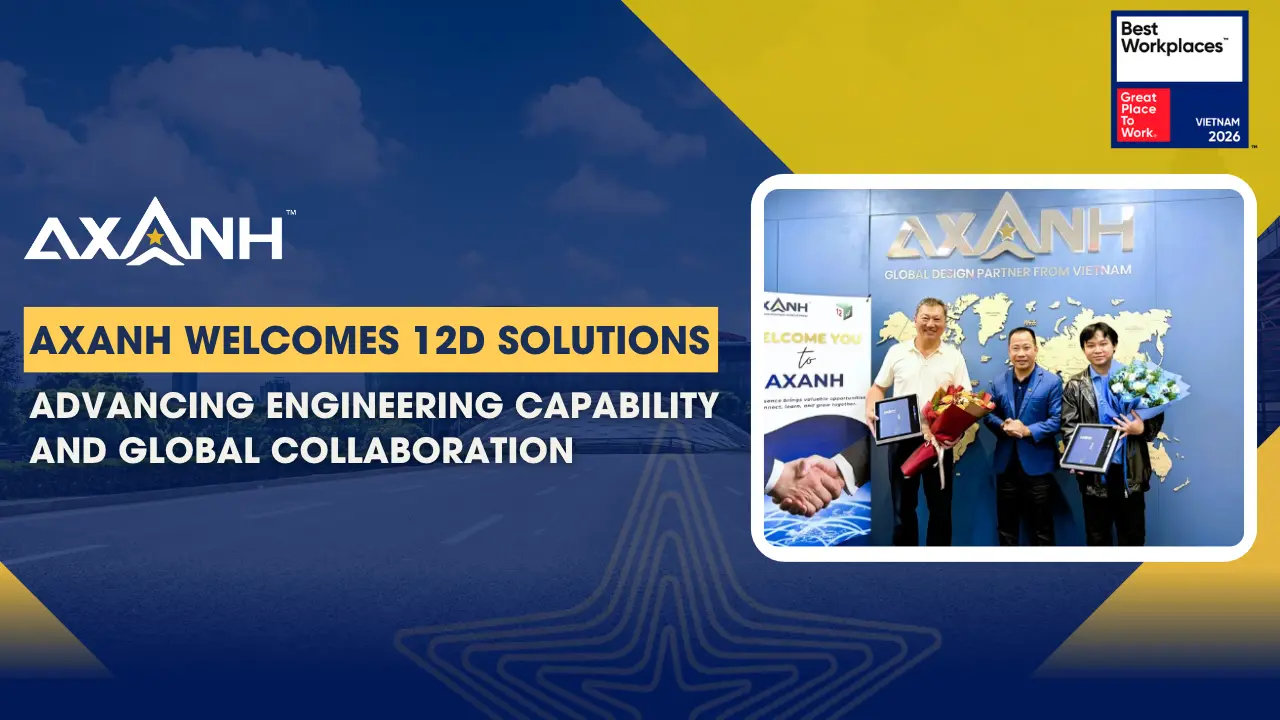
AXANH welcomes 12d Solutions following a return visit by representatives of the Australian engineering software company on October 27, 2026. The meeting brought together discussions on engineering education, technology access, and opportunities for cross-border collaboration in infrastructure design.
During the visit, Mr. Soon, a representative of 12d Solutions, shared insights into the company’s engagement with Vietnamese universities, introductory software training initiatives, and the outlook for engineering talent in Australia’s land development sector.
The conversation also highlighted a question facing engineering organizations as they expand their international operations: How can firms develop technically capable teams that adapt to evolving tools, understand project requirements, and collaborate reliably across borders?
For AXANH, the visit was an opportunity to strengthen industry connections, learn from an international technology provider, and explore approaches to developing engineering capability for global project environments.
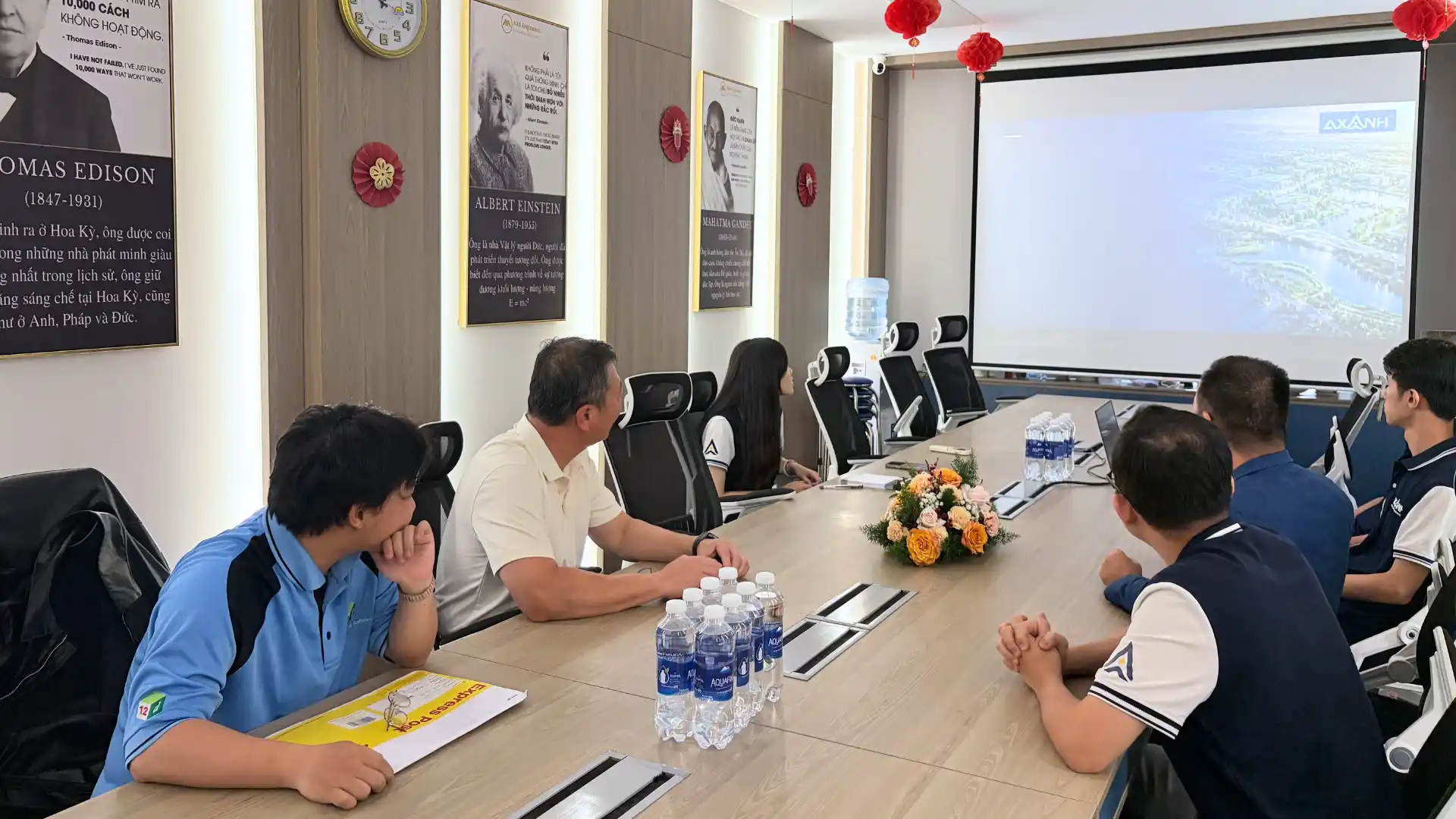
AXANH Welcomes 12d Solutions: Connecting Engineering Education With Industry Needs
One of the key topics raised by Mr. Soon was 12d Solutions’ collaboration with several universities in Vietnam. These initiatives aim to introduce engineering students to 12d Model and help them develop skills relevant to professional infrastructure design.
Early exposure to industry software can give students a clearer understanding of how engineering knowledge is applied beyond the classroom. It also helps them recognize the expectations they may encounter when entering professional design environments, particularly those supporting Australian projects.
For engineering businesses, university engagement offers a broader benefit. It helps create a stronger connection between the skills developed during education and those required in practice. Graduates who understand professional tools and workflows have a better foundation for their continuing development within an engineering organization.
That foundation becomes increasingly valuable when teams operate across different markets. Technical knowledge must be supported by the ability to learn new systems, communicate design information, and work within established project requirements.
Supporting Foundational Training and Technology Access
Beyond university engagement, 12d Solutions also discussed its introductory software training program for engineering businesses.
According to the information shared during the meeting, foundational 12d training can be delivered directly at company offices by Vietnamese-speaking software specialists.
This approach can make the initial learning process more accessible to engineering teams. Direct instruction gives participants opportunities to ask questions, understand unfamiliar workflows, and build confidence as they explore a new professional tool.
For an engineering organization, structured training is most valuable when it supports a broader capability-development plan. Learning a new application should connect with the team’s technical disciplines, project responsibilities, and expectations for the quality of its work.
Learning Opportunities for Eligible Participants
Mr. Soon also described arrangements that may allow eligible learners to borrow software licenses for study and research.
These opportunities may be available to students from universities collaborating with 12d Solutions and to learners within businesses that meet the company’s partnership conditions. Access is determined by the relevant training arrangements and eligibility requirements.
Such initiatives can help participants gain practical experience with professional engineering tools and develop a clearer understanding of their application in design environments.
The discussion also offered AXANH a useful perspective on how technology providers can contribute to engineering education and workforce development. It provided an opportunity to explore training approaches that may support long-term technical capability.
Ultimately, the value of training is demonstrated through how engineers apply what they learn. Software proficiency matters, while sound engineering judgment, clear communication, and responsible decision-making remain essential to dependable project delivery.
Australia’s Land Development Outlook: Victoria and Queensland
Another important part of the meeting focused on the Australian engineering market. Mr. Soon discussed demand for engineering talent in land development, with particular attention to Victoria and Queensland.
He highlighted residential development, subdivision planning, and associated infrastructure as areas creating opportunities for engineering work in these markets.
Mr. Soon also described the difficulties some Australian engineering firms face when recruiting suitable technical professionals. In this context, collaboration with engineering teams in other countries is receiving greater attention as firms consider how to support their project delivery needs.
For engineering business owners and delivery leaders, this raises an important operational consideration: expanding capacity must be accompanied by the ability to maintain technical consistency and effective coordination.
Distributed teams need a shared understanding of project requirements, design responsibilities, and the expectations of the local market. The observations shared during the meeting offer a useful perspective on why engineering capability development and international collaboration matter to land development businesses.
What Effective Cross-Border Engineering Collaboration Requires
Land development projects bring together interconnected technical decisions. Site planning, grading, road design, drainage, and utility coordination can all influence one another as a design progresses.
When engineering work is distributed across different teams, that interdependence makes communication and technical control particularly important.
A design change affecting site elevations, for example, may require related grading and drainage assumptions to be reviewed. The value of collaboration depends on whether the teams involved understand the design intent, communicate the implications, and coordinate the next steps.
For AEC firms evaluating international collaboration, several capabilities deserve particular attention:
- Technical understanding: The ability to interpret project requirements, recognize design constraints, and apply sound engineering judgment.
- Clear communication: Consistent exchange of design information, decisions, revisions, and technical feedback.
- Quality discipline: Defined review responsibilities, careful documentation, and reliable handoffs.
- Continuous development: The willingness to learn new tools, adapt to established workflows, and improve professional performance.
These capabilities help an external engineering team contribute more effectively to a client’s delivery process. They also provide a practical foundation for building working relationships that can develop over time.
Technology supports this process by helping teams create and exchange technical information. The quality of collaboration ultimately depends on how people use that information, make decisions, and take responsibility for their work.
AXANH’s Commitment to Long-Term Engineering Capability
At AXANH, we believe that dependable engineering partnerships are built through technical competence, disciplined ways of working, and a genuine understanding of client expectations.
As engineering organizations work across markets and time zones, they need teams that can adapt to project requirements while maintaining consistency in communication, documentation, and quality.
This belief shapes AXANH’s approach to developing engineering capability. We emphasize continuous learning, professional responsibility, structured workflows, and the ability to collaborate effectively in international project environments.
The visit from 12d Solutions provided another opportunity to exchange perspectives on engineering education, technology adoption, and changing workforce needs.
It also reinforced the importance of connecting professional development with the practical expectations of engineering businesses. Investing in people creates the foundation for teams to take on more complex responsibilities and contribute with greater confidence.
AXANH continues to develop its engineering organization with a long-term perspective: building technical capability, strengthening delivery discipline, and creating the conditions for trusted collaboration with international design firms.
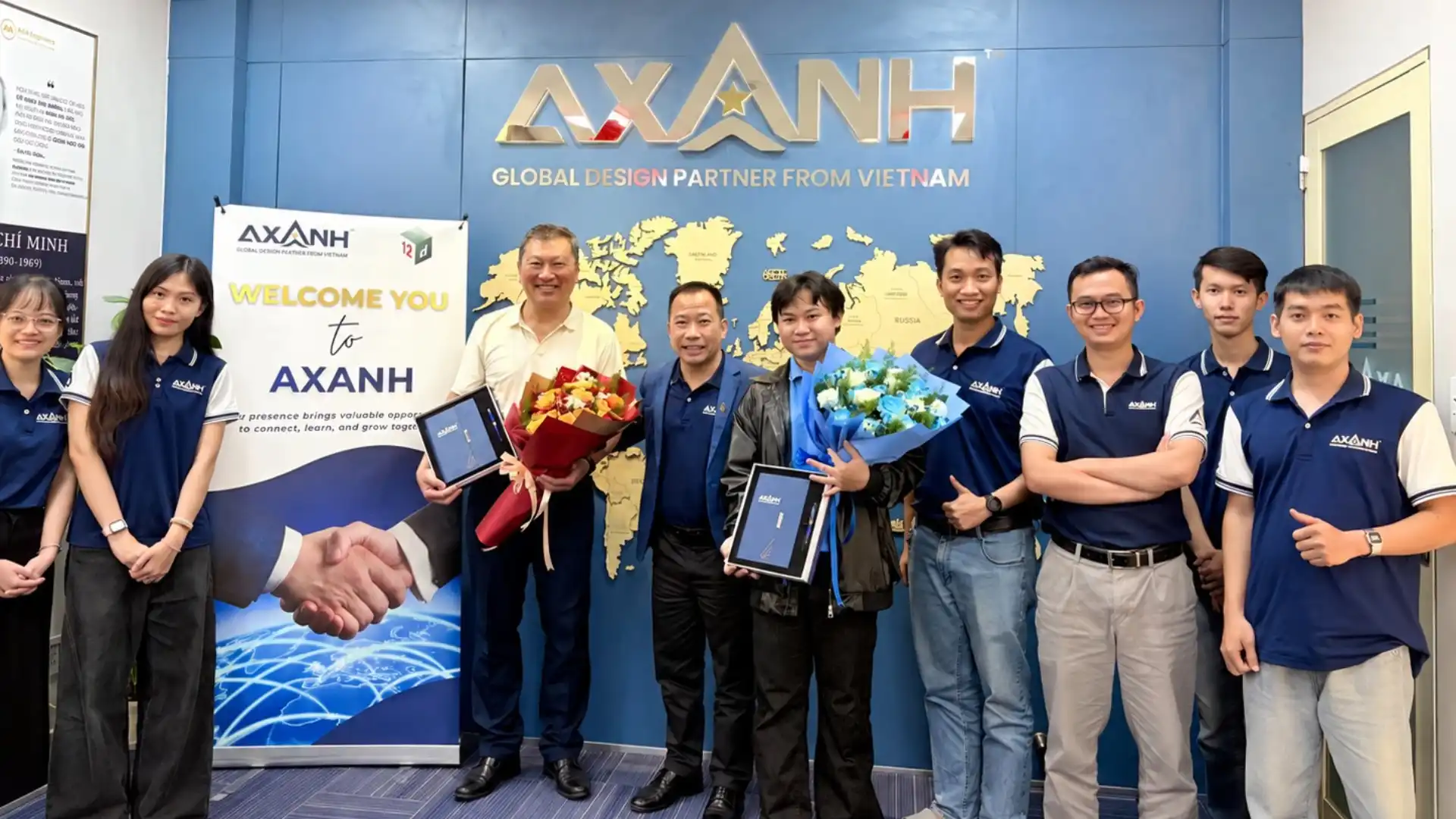
Continuing the Conversation on Engineering Collaboration
AXANH sincerely appreciates Mr. Soon and the representatives of 12d Solutions for returning to our office and sharing their perspectives on training, engineering technology, and the Australian land development sector.
The meeting brought together topics that matter to engineering organizations: developing capable professionals, improving access to relevant technology, and working effectively across geographic boundaries.
For AXANH, exchanges like this deepen our understanding of the industry and support our commitment to continuous improvement.
We look forward to maintaining meaningful industry connections and developing the capabilities that help engineering teams create lasting value for clients and partners around the world.
Explore a Long-Term Engineering Partnership With AXANH
Discover how AXANH approaches engineering capability development, disciplined delivery, and international collaboration. We welcome conversations with organizations looking to build dependable, long-term partnerships.
