





Civil engineering outsourcing · Choosing a destination
When a U.S. or Australian firm searches for outsourced civil engineering companies in Vietnam, it has usually already decided to outsource and is now deciding where. The pages it finds mostly say the same things: young workforce, low cost, good time zone. Some of that is true. None of it is enough to decide on. This article is written by a Vietnamese firm that has worked for U.S. design firms since 2016, and it tries to give the full picture, including the cases where Vietnam, or we, would be the wrong choice. The service itself is described on our civil engineering outsourcing services page.
Vietnam is a strong location for outsourced civil engineering when the work is production-heavy, model-based and repeatable, such as grading, drainage, utility layouts and Civil 3D plan sets, and when the partner has a stable team trained in your market’s practice, a defined review process and clear data governance. The time difference becomes a second shift for U.S. firms and a shared day for Australian ones. It is the wrong choice when the work depends on local agency relationships, on-site presence, or design judgment the firm cannot describe in a scope.
Engineers who work in Civil 3D every day
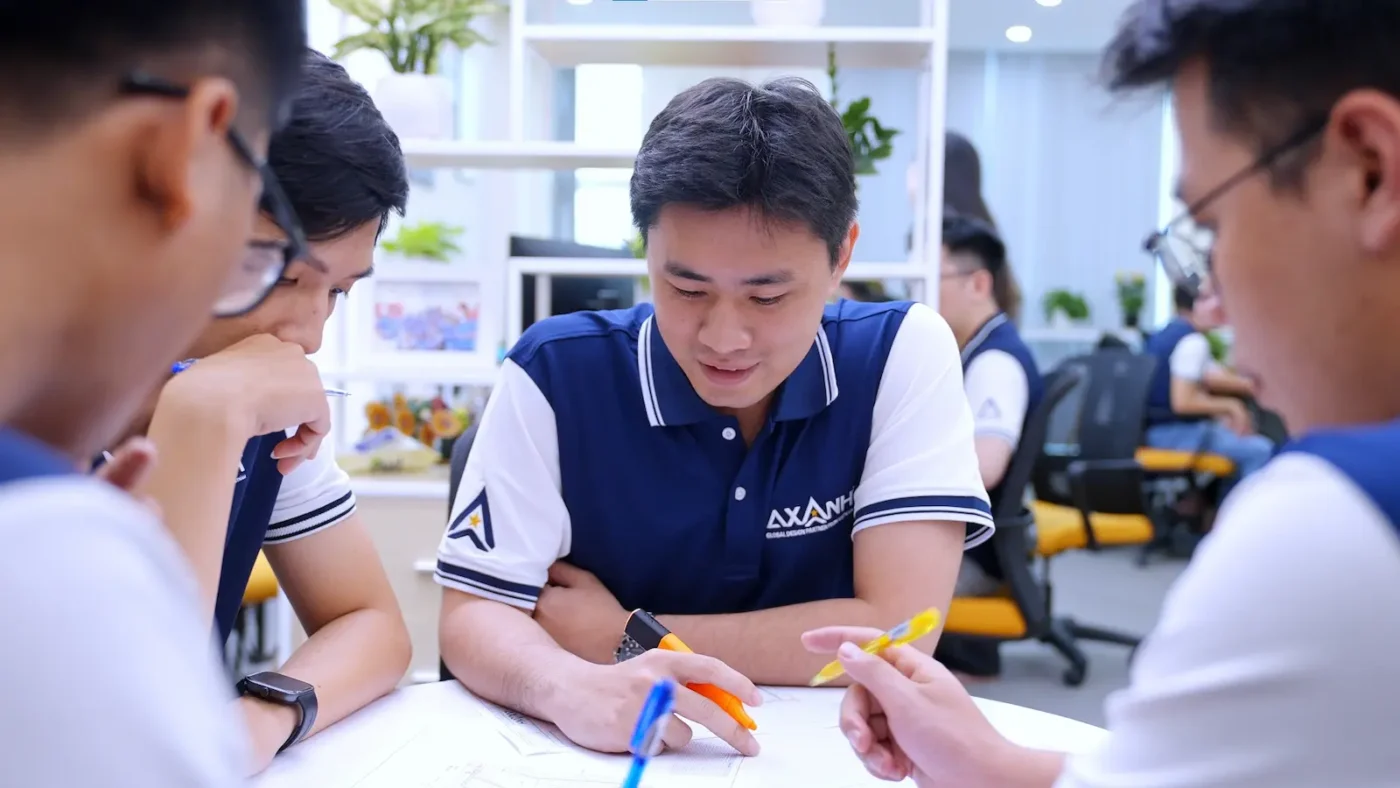
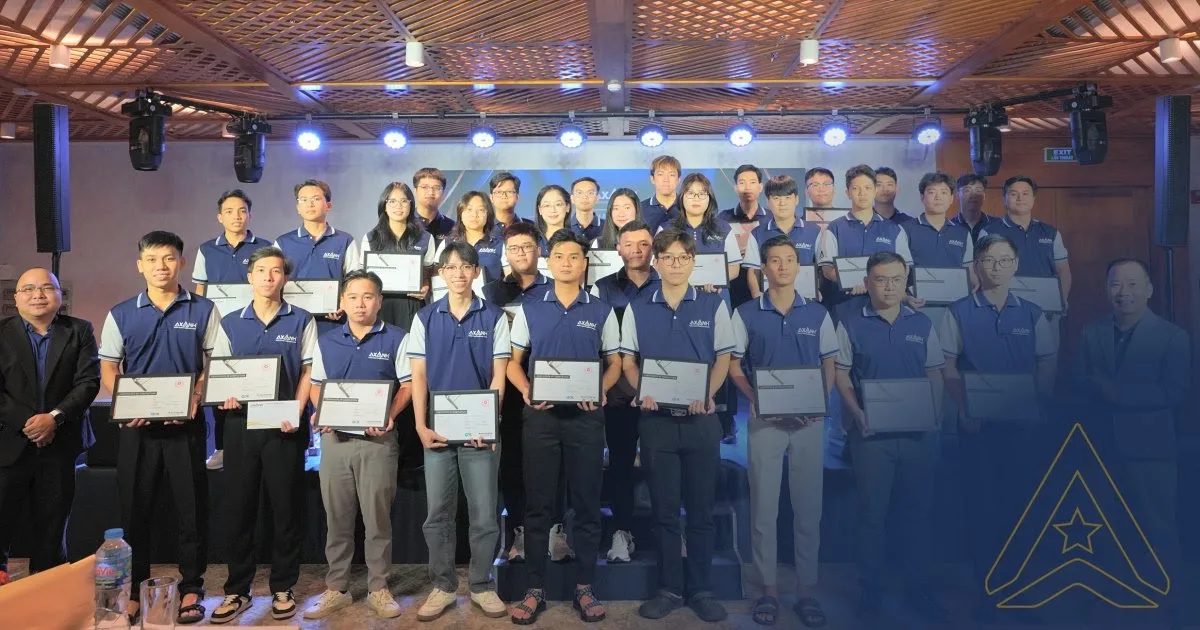
At AXANH, 67 engineers have earned Autodesk Civil 3D certificates of completion, skills are reassessed in an annual on-site assessment cycle, and the team works under an Autodesk AEC Collection license. Corridor, surface and pipe network modeling improve with daily repetition, and a team that does it for several clients every day builds that practice faster than most in-house groups can.
Exposure to U.S. practice, beyond the drawings
A team that understands a U.S. plan set, rather than copying one, has been trained on it. Our engineers learned U.S. practice in client offices and on sites in California and North Carolina, and in Vietnam through training led by a U.S. Professional Engineer, most recently in 2025. See U.S. PE Civil Engineering Training in Vietnam.
A culture that invests in people
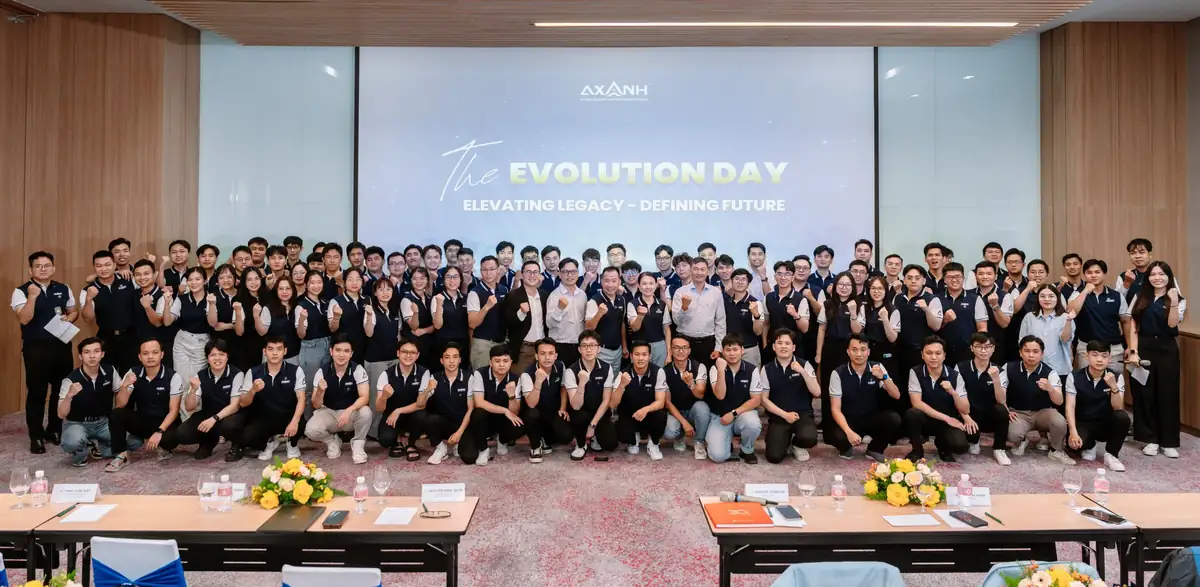
Continuity is what a client feels most in a project, and it starts with how a firm treats its engineers. AXANH was named among Best Workplaces in Vietnam™ 2026 by Great Place To Work, and ranked first in the Small category in 2025. On your project, ask who stays on your account and how decisions are recorded, so context outlives any one engineer.
Choose Vietnam for the depth of Civil 3D practice and team stability, and verify both at the firm you are considering.
02 · Time zone
The time difference, stated precisely
Ho Chi Minh City is UTC+7. That is 11 to 12 hours ahead of the U.S. East Coast depending on daylight saving, 14 to 15 hours ahead of the West Coast, and 3 to 4 hours behind Sydney. For a U.S. firm, the practical result is a second production shift: a handoff at 5 p.m. in Raleigh arrives at 4 or 5 a.m. in Ho Chi Minh City, depending on daylight saving, a full working day passes, and reviewed files are back before Raleigh opens. For an Australian firm, the overlap covers most of the working day, which makes real-time coordination straightforward.
The time difference only helps when the handoff is designed. We agree communication windows at the start of each engagement, keep a running question log so nothing waits for a meeting, and schedule an overlap slot for questions that need a conversation. Treated that way, the gap is an asset; left to chance, it becomes a day of latency on every question. The rhythm is described in Steps in Outsourcing Civil Engineering.
Our position on cost
The value is capacity and continuity. The cost difference is only what makes them affordable.
Capacity, continuity and a team that keeps your project context are what a client keeps after the first package.
03 · Cost
What the cost difference does and does not buy
ASCE’s 2026 salary report puts the average civil engineer’s base salary in the U.S. above $152,000, and rising around 6% a year. Vietnamese engineering labor costs less. We will not pretend otherwise, and we will not reduce the argument to it either, because the firms that choose a Vietnamese partner on price alone tend to get what price alone buys: hours that need heavy management.
What the cost difference does buy, from a partner that invests in training, review and retention, is the ability to hold a deeper production bench than a firm could fund internally, and to keep senior engineers on the work only they can do. We agree pricing after a conversation between our CEO and you about the situation and the work, so the proposal fits the scope and the resources it needs.
04 · Due diligence
How to evaluate outsourced civil engineering companies in Vietnam
Vietnam has dozens of firms offering civil drafting and design support, and the quality range is wide. Use the same scorecard you would apply anywhere, with a few questions sharpened for this market.
Ask what the firm’s quality management system is certified to and by whom; AXANH’s is certified to ISO 9001:2015. Ask how many engineers hold Autodesk Civil 3D credentials and how skills are maintained after hiring. Ask how the team learned your market’s practice, and whether that learning came from projects or from training led by someone licensed there. Ask for the names of clients who have worked with the firm for more than five years, and call them. Ask how data access is controlled, whether every seat is genuinely licensed, and how AI tools are used and checked. Ask who stays on your account when someone leaves, and how decisions are recorded so the next engineer can pick them up.
Then ask one question specific to Vietnam: how the firm handles U.S. professional responsibility. A Vietnamese partner cannot hold responsible charge for a U.S. project; under NSPE’s position the licensed engineer stays involved from concept through completion. What the partner can do is structure the work so your engineer of record is involved at every decision point. Our workflow is built that way, and the full scorecard is in How to Evaluate an Engineering Outsourcing Partner.
05 · On a real site
What a Vietnamese team delivered on North Carolina land
192 acres, 351 lots, flat terrain. Our team was involved from early design development through approval of the construction document set and handled nearly all plan production, inside the client’s standards.
142 acres, 382 lots across steep slopes, wetlands, stream buffers and electrical easements. Our team supported profile adjustments, retaining wall placement and swale-based grading that helped protect sensitive areas.
Both were delivered with the client’s engineer of record holding every design decision and the seal. The three North Carolina sites are described on our civil engineering outsourcing page.
The common thread is not that the work was done in Vietnam. It is that the work was done inside the client’s process, with questions raised early and decisions recorded, so the client could stay in responsible charge of a project they never had to explain twice.
06 · When not
When Vietnam is not the right fit
We would rather tell you this now than have you learn it in month two.
The work needs someone on site
WhySite visits, construction observation and meetings with a county reviewer cannot be done from Ho Chi Minh City.
The value is a local relationship
WhyA deliverable that depends on your standing with a local agency belongs with the engineer who has that standing.
The design question is still open
WhyAn offshore team cannot resolve ambiguity you have not resolved yourself.
Your standards are inconsistent
WhyAn external team inherits the inconsistency and reproduces it at scale. Fix the standard first.
Outside those cases, if your constraint is production hours on model-based civil work, a Vietnamese partner with the right training, review discipline and team stability is a sound decision. Whether that partner should be us is a question we are happy to answer plainly in a first conversation.
The right partner tells you when not to use them. Treat that as the first test.
07 · FAQ
Questions about outsourcing civil engineering to Vietnam
Do Vietnamese civil engineers understand U.S. codes and agency requirements?
The good ones do, through training and project exposure, and they ask when they do not. Our engineers have learned U.S. practice in client offices in California and North Carolina and through training in Vietnam led by a U.S. Professional Engineer. Jurisdiction-specific interpretation stays with your engineer of record.
What about English communication?
Written communication, question logs and handoff notes are in English as standard. Spoken overlap is scheduled; we agree the windows at the start of each engagement.
Is my project data safe with a Vietnamese firm?
Work proceeds under NDA with role-based file access and licensed software for every seat. Project information stays tied to the purpose it was shared for. The controls are described on Trust & Compliance.
Can a Vietnamese firm seal drawings for a U.S. project?
No. Sealing and responsible charge stay with the licensed engineer in the project’s jurisdiction. A good partner structures its work so that engineer is involved throughout, as NSPE’s position requires.
How do I start with a Vietnamese partner without a large commitment?
With one defined package: a phase of one project, with scope, standards and decision owners written down. Most of our client relationships began that way.
Next step
Decide with the facts in front of you
If you are comparing outsourced civil engineering companies in Vietnam, bring your scorecard to a conversation with us. We will answer every question with documents, tell you where we are not the right fit, and describe what one defined package would look like for your work.
